
 Home
HomeDoctor of Philosophy Program in Medical Physics and Medical Engineering (Inter)
01 Mar 2024 | view 1217 time
-
Share
-

-

-

-

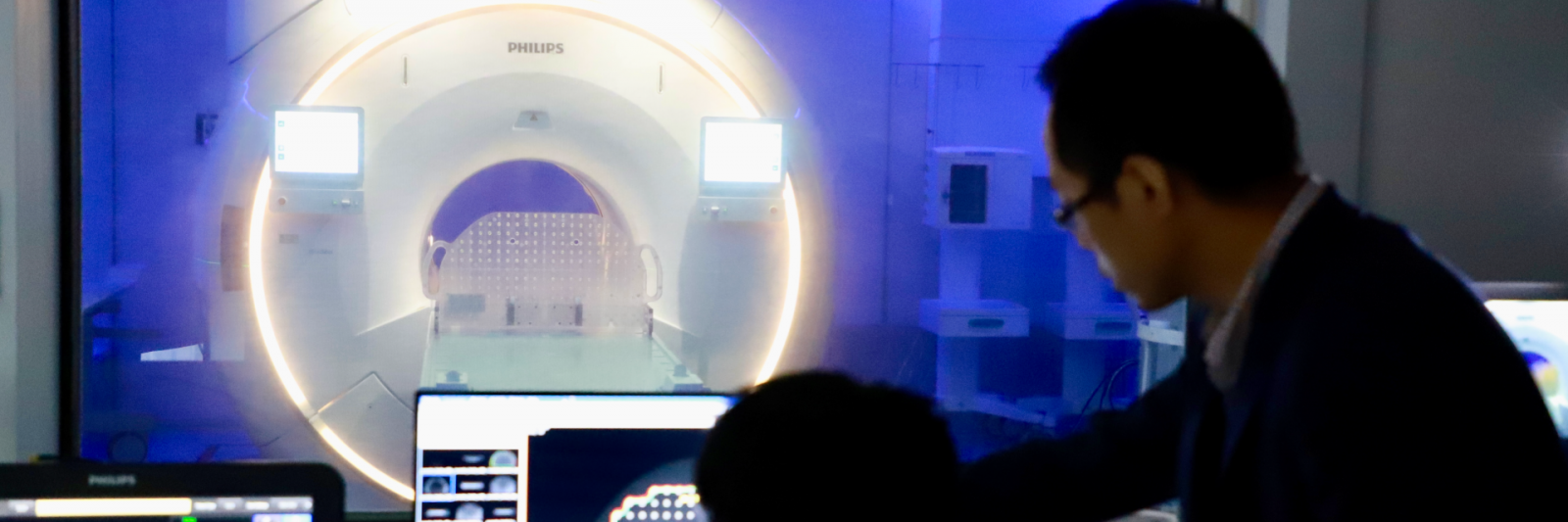
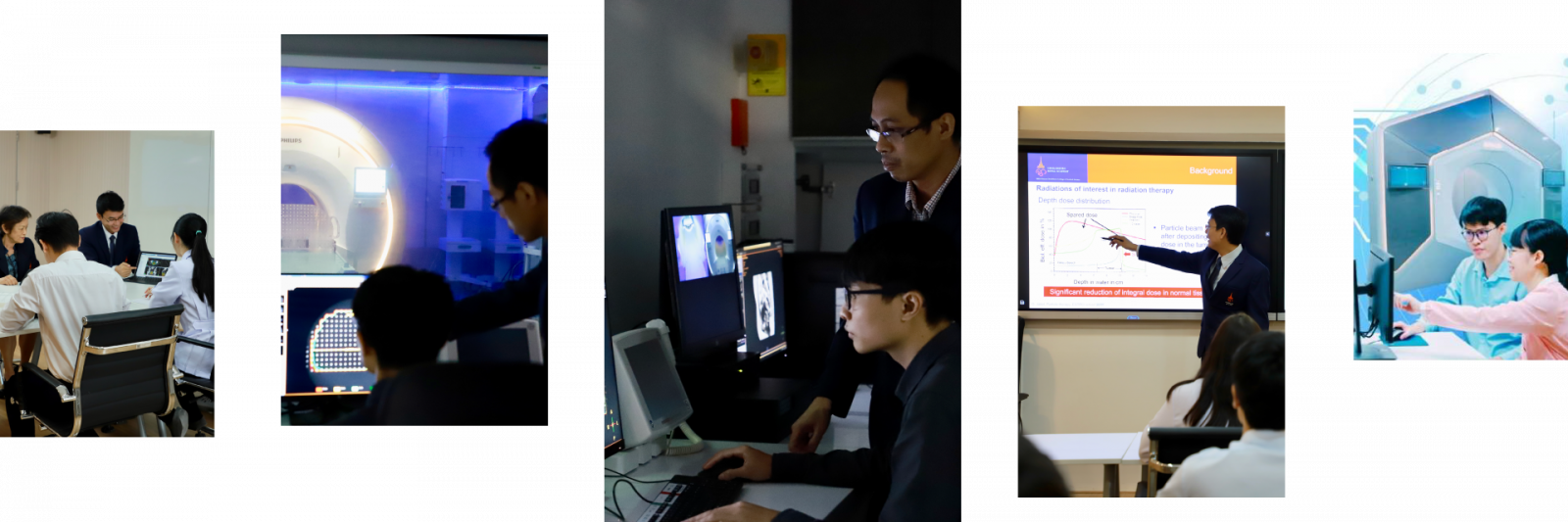
Doctor of Philosophy Program in Medical Physics and Medical Engineering (International Program: MPME)
This program aims to produce doctoral graduates who are researchers and innovators in the fields of medical physics and biomedical engineering. Medical Physics applies principles of physics to the prevention, diagnosis, and treatment of human diseases. Biomedical Engineering applies engineering principles and design concepts to medicine and biology for healthcare. By integrating knowledge from both disciplines, students gain a broad perspective—from design and development to the application of medical instruments and technologies.
The program is directly connected with Chulabhorn Hospital, providing students with early exposure to real clinical environments. Students will gain hands-on experience with medical instruments and technologies that are essential to healthcare systems, enabling them to conduct cutting-edge research with tangible benefits for the healthcare industry and patients.
The curriculum emphasizes research. Each student will have an Individual Study Plan (ISP) developed in collaboration with their doctoral advisor. With expertise from multidisciplinary faculty, students can pursue diverse research topics aligned with their interests.
Program Philosophy
The program focuses on mentoring and nurturing doctoral students to become independent researchers in medical physics and biomedical engineering, problem-solvers, and socially responsible professionals.
Study Plans
• Plan 1.1: 3 years (for Master’s degree holders)
• Plan 1.2: 4 years (for Bachelor’s degree holders)
Program Learning Outcomes (PLOs)
• Critically evaluate knowledge, research, methodologies, and techniques in medical physics and biomedical engineering.
• Create new knowledge, methodologies, or techniques to solve existing or emerging problems in healthcare facilities or the health industry through original research.
• Apply digital technologies systematically and effectively in research.
• Manage research projects or innovations with expertise and efficiency.
• Disseminate knowledge and research findings effectively to both experts and the general public.
• Conduct research and academic activities with ethics and social responsibility.
• Advanced Clinical Infrastructure: Access to modern clinical facilities at Chulabhorn Hospital
• Multidisciplinary Faculty: Expertise from Princess Srisavangavadhana Faculty of Medicine
• International Collaboration: Academic partnerships with leading global institutions
• Scholarship Opportunities
• Numerical Simulation and Modeling for radiation therapy and radiation protection
• Medical Image Processing and Analysis
• Radiobiology and Radiobiological Modeling
• Quality Assurance and Predictive Maintenance of Medical Devices
• Space Engineering for Health Sciences
• Surface Modification for Biomedical Applications
• Development of Cloud-based Medical Software
• Plan 1.2: 48,125 THB per semester
Educational Service Fees (per semester)
• Educational service fee: 10,000 THB
• Library fee: 1,000 THB
• Extracurricular activities: 5,000 THB
• Student activities: 1,000 THB
• Internet fee: 1,000 THB
• Health insurance: 500 THB
• Health service fee: 1,000 THB
Other Fees
• New student registration: 2,500 THB
• Student ID card: 300 THB
• Damage deposit (refundable upon graduation): 10,000 THB
• Student status maintenance: 5,000 THB per semester
• Semester 2: January – May
Graduation Requirements
• Presenting research at least once at an international academic conference.
• Publishing at least two research articles in recognized international academic journals.
• Meeting the required English proficiency standards.
• Complying with the Chulabhorn Royal Academy Graduate Studies Regulations (2020).
PSMM 6101 Research Methodology
PSMM 6102–7102 Seminar in Medical Physics and Biomedical Engineering 1-4
Dissertation
PSMM 6901 Dissertation (48 credits) – Plan 1.1
PSMM 6902 Dissertation (72 credits) – Plan 1.2
• Publishing at least two research articles in recognized international academic journals
• Meeting the required English proficiency standards
• Complying with the Chulabhorn Royal Academy Graduate Studies Regulations (2020).
• Paper-based 500 or higher
• Computer-based 173 or higher
• Internet-based 64 or higher
2. IELTS 5.0 or higher
3. CU-TEP 60 or higher
4. MU GRAD TEST 60 or higher
5. TU-GET 550 or higher
6. KU-EPT not less than 50%
Contact
Phone : 02-576-6600 Ext. 4183
Email : [email protected]
Website : www.psmd.cra.ac.th
Facebook / LinkedIn : MPME.PSM