
 Home
Home
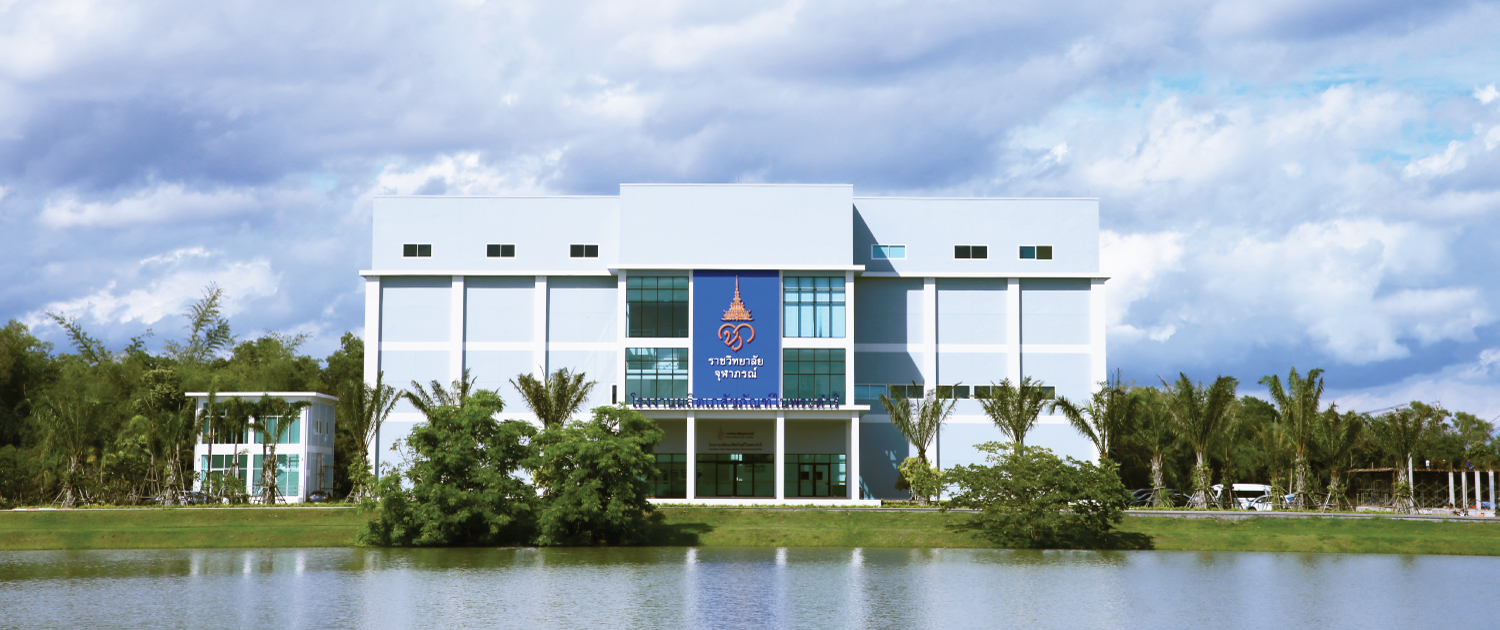
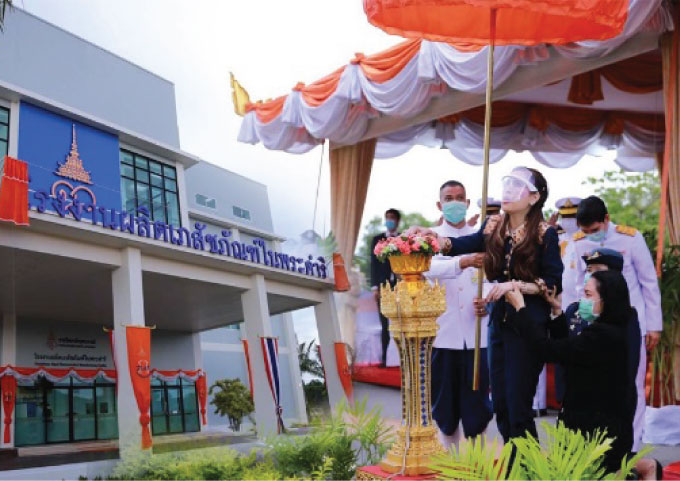
Inspired by the vision, expertise, and far-reaching commitment of Her Royal Highness Princess Chulabhorn Krom Phra Srisavangavadhana, President and Chairperson of the Council of Chulabhorn Royal Academy, the Chulabhorn Royal Pharmaceutical Manufacturing Facility was established to advance Thailand’s capacity in medical science and public health, and to translate research into real-world pharmaceutical production.
Recognizing the challenges faced by patients who lack access to high-efficacy medicines for cancer treatment, Her Royal Highness initiated the establishment of this facility as a royal initiative project. The facility has been in operation since 2020, located at Phimanmas Royal Residence, Sattahip District, Chonburi Province.
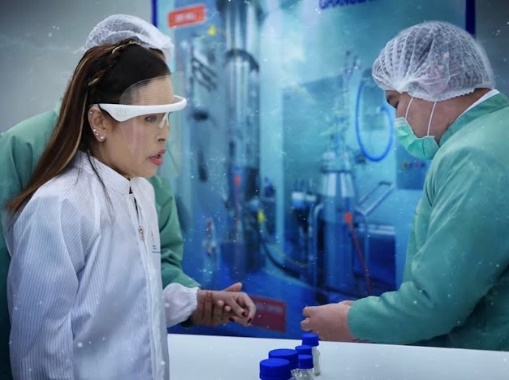
The facility serves as Thailand’s first modern and fully integrated model pharmaceutical manufacturing plant dedicated to strengthening research and development across the entire pharmaceutical value chain—from early research to production and patient use. It was established to support the development and continuous production of advanced pharmaceutical products, particularly for cancer patients.
In line with the royal aspiration to transform research into practical medical solutions, the facility actively connects scientific knowledge with industrial-scale pharmaceutical manufacturing, while fostering international collaboration and technology transfer. Through these efforts, the Chulabhorn Royal Pharmaceutical Manufacturing Facility plays a vital role in enabling Thailand to independently produce high-quality, high-efficacy cancer medicines, contributing to national pharmaceutical security and improved access to life-saving treatments.
The Chulabhorn Royal Pharmaceutical Manufacturing Facility is dedicated to producing high-efficacy pharmaceutical products to support the treatment of cancer patients and to expand equitable access to advanced cancer therapies.
As its initial focus, the Facility selected oral targeted therapy medicines as the first group of products for production. These medicines are currently imported at a cost of tens of billions of baht annually, creating a significant financial burden on the national healthcare system. The capability to produce these medicines domestically will help reduce dependence on imports, lower long-term healthcare costs, and strengthen national pharmaceutical security.
Beyond production, the Facility plays a critical role in building national expertise in high-performance pharmaceutical manufacturing and in producing pharmaceutical products for research and regulatory registration, which are essential steps in translating scientific discoveries into approved medicines. This work enables the true advancement of research from the laboratory to industrial-scale production.
These efforts are aligned with the strategic direction of Chulabhorn Royal Academy to achieve excellence in health research and innovation for sustainability, and reflect the royal aspiration to enhance Thailand’s capacity to transform research into medicines that can be safely and effectively used by patients, in accordance with international manufacturing standards.
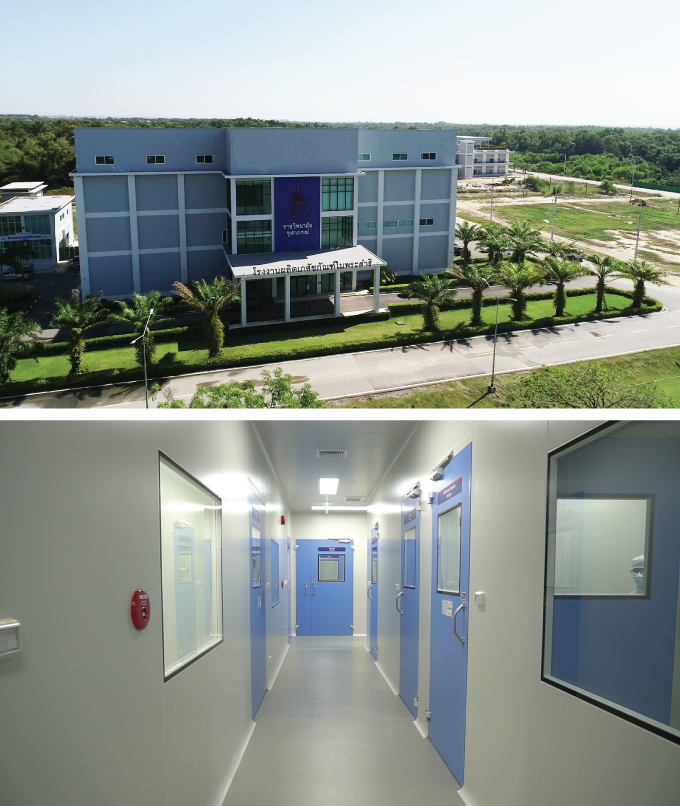
The Chulabhorn Royal Pharmaceutical Manufacturing Facility is located within the Phimanmas Royal Residence compound in Sattahip District, Chonburi Province. The Facility operates from a four-storey purpose-built structure, designed to support end-to-end pharmaceutical manufacturing, quality assurance, research and development, and administrative functions in an integrated and compliant manner. The building is organized as follows:
First Floor - Manufacturing Operations
Includes the reception area and production zones for oral targeted cancer therapy products, designed to support controlled manufacturing processes in accordance with international pharmaceutical manufacturing standards.
Second Floor - Engineering and Utilities
Houses engineering systems and supporting utilities, including technical infrastructure essential for pharmaceutical manufacturing operations, ensuring system reliability, environmental control, and operational continuity.
Third Floor - Quality Control and Research & Development
Dedicated to Quality Control (QC) laboratories and pharmaceutical research and development (R&D) functions, supporting product testing, method validation, process development, and continuous improvement activities.
Fourt Floor - Administration and Data Management
Comprises administrative offices and the data management center, supporting operational governance, documentation, regulatory compliance, and information management.
First Floor – Reception Area and Targeted Cancer Drug Manufacturing
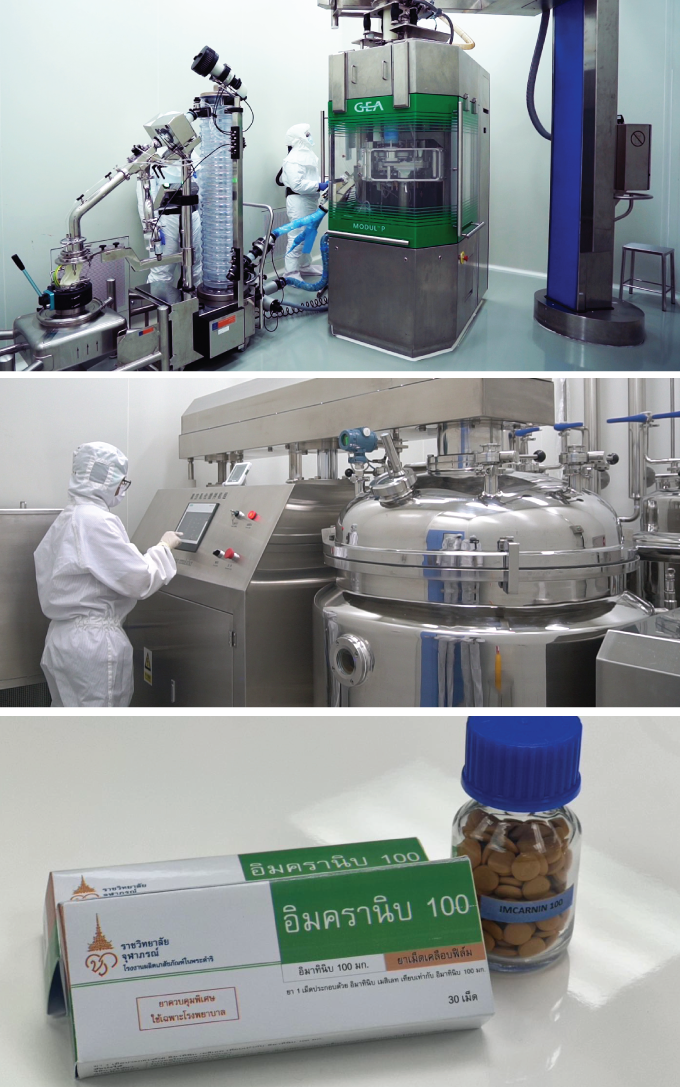
The First Floor comprises the reception area and the manufacturing zone for targeted cancer therapy medicines. This area is specifically engineered for the production of cytotoxic pharmaceutical products, which are potentially harmful to human cells and therefore require strict control of air quality, materials, personnel, and waste management.
The manufacture of cancer medicines is a highly complex process that demands specialized expertise due to the hazardous nature of the active pharmaceutical ingredients (APIs). The Facility is designed to operate a fully closed containment production process across all manufacturing stages. All machinery and equipment are engineered and certified to meet the highest occupational exposure band (OEB 5), ensuring compliance with stringent requirements for product quality, occupational safety, and environmental protection.
The manufacturing process begins with the weighing of raw materials that have passed quality testing in accordance with pharmaceutical specifications. High-precision weighing systems are used to ensure accuracy and consistency, in line with validated formulations developed through research and development. Weighing and initial blending activities are conducted in controlled cleanroom environments, with strict regulation of temperature, humidity, and air pressure, to ensure product safety and uniformity.
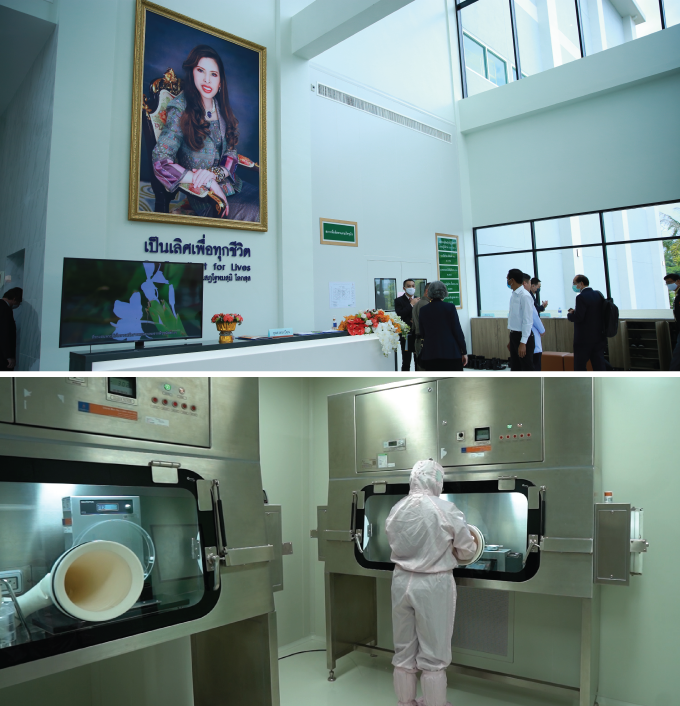
Following accurate weighing, raw materials undergo independent verification before entering the continuous granulation process. This process is carried out using dedicated, purpose-built equipment, including powder blending units, fluidized bed dryers, and particle size reduction mills, all operating within a closed system to maintain environmental control and prevent contamination. This stage ensures homogeneous mixing of materials and optimizes powder characteristics for downstream tableting.
Granules that meet predefined quality criteria are then transferred to the tablet compression stage. Tablet compression equipment is used to produce tablets with precisely controlled weight, size, shape, and active ingredient content, in accordance with approved specifications. Compressed tablets are subsequently conveyed through dedusting systems to remove residual powder or particulates generated during compression.
To further ensure product integrity, tablets pass through metal detection systems to eliminate the risk of metallic contamination originating from the manufacturing process. The tablets are then subjected to film coating, using coating materials selected based on the specific characteristics of each product. Coating serves to protect tablets from moisture and light, enhance stability, and maintain product quality. In certain cases, coating is also designed to control drug release following oral administration, thereby improving therapeutic efficacy and minimizing potential adverse effects.
Finished tablets are finally packaged using validated packaging systems designed and tested to ensure product stability throughout shelf life. Packaging materials provide protection against contamination, moisture, air, and light, ensuring that product quality is maintained until delivery to patients.
Throughout the entire manufacturing process, in-process controls and quality sampling are conducted at defined intervals using advanced analytical instruments. These measures ensure that every tablet produced meets consistent quality, safety, and efficacy standards, in full compliance with applicable pharmaceutical manufacturing regulations.
-----------------------------------------------------------------------------------------------------------------------------------------------------------------------------------
Second Floor – Engineering and Supporting
The Second Floor houses the engineering and supporting systems that are essential for creating and maintaining a controlled manufacturing environment, controlling pollution, and minimizing environmental impact. The operation of the Chulabhorn Royal Pharmaceutical Manufacturing Facility is designed not only to ensure pharmaceutical product quality and personnel safety, but also to uphold strong environmental responsibility, enabling the Facility to operate safely and sustainably alongside its surrounding environment.
All building operations are managed under an integrated Building Automation System (BAS), which serves as a centralized automated control platform for efficient building management. The BAS continuously controls, monitors, and manages critical building systems, with particular emphasis on the Heating, Ventilation, and Air Conditioning (HVAC) system. The HVAC system is designed to maintain strictly controlled environmental conditions, including temperature, humidity, particulate levels, microbial control, and airflow patterns, in full compliance with pharmaceutical manufacturing requirements.
In addition to HVAC, the engineering area accommodates other critical utility systems that support manufacturing operations, including purified water generation systems, dry compressed air systems, and pollution capture and treatment systems. These systems are designed not only for operational efficiency but also to facilitate safe and convenient maintenance, while effectively protecting personnel from direct exposure to active pharmaceutical substances and potential contaminants.
Wastewater contaminated with cytotoxic pharmaceutical substances is collected and directed to a dedicated active pharmaceutical ingredient (API) deactivation facility. Within this facility, pharmaceutical residues are neutralized through validated chemical deactivation processes that have been rigorously researched and tested to destroy the chemical structure and toxicity of anticancer agents. Only after complete deactivation is the treated wastewater discharged to the project’s central wastewater treatment system for further treatment, ensuring that environmental release occurs in a safe and compliant manner.
-----------------------------------------------------------------------------------------------------------------------------------------------------------------------------------
Third Floor – Quality Control Laboratories and Pharmaceutical Research & Development
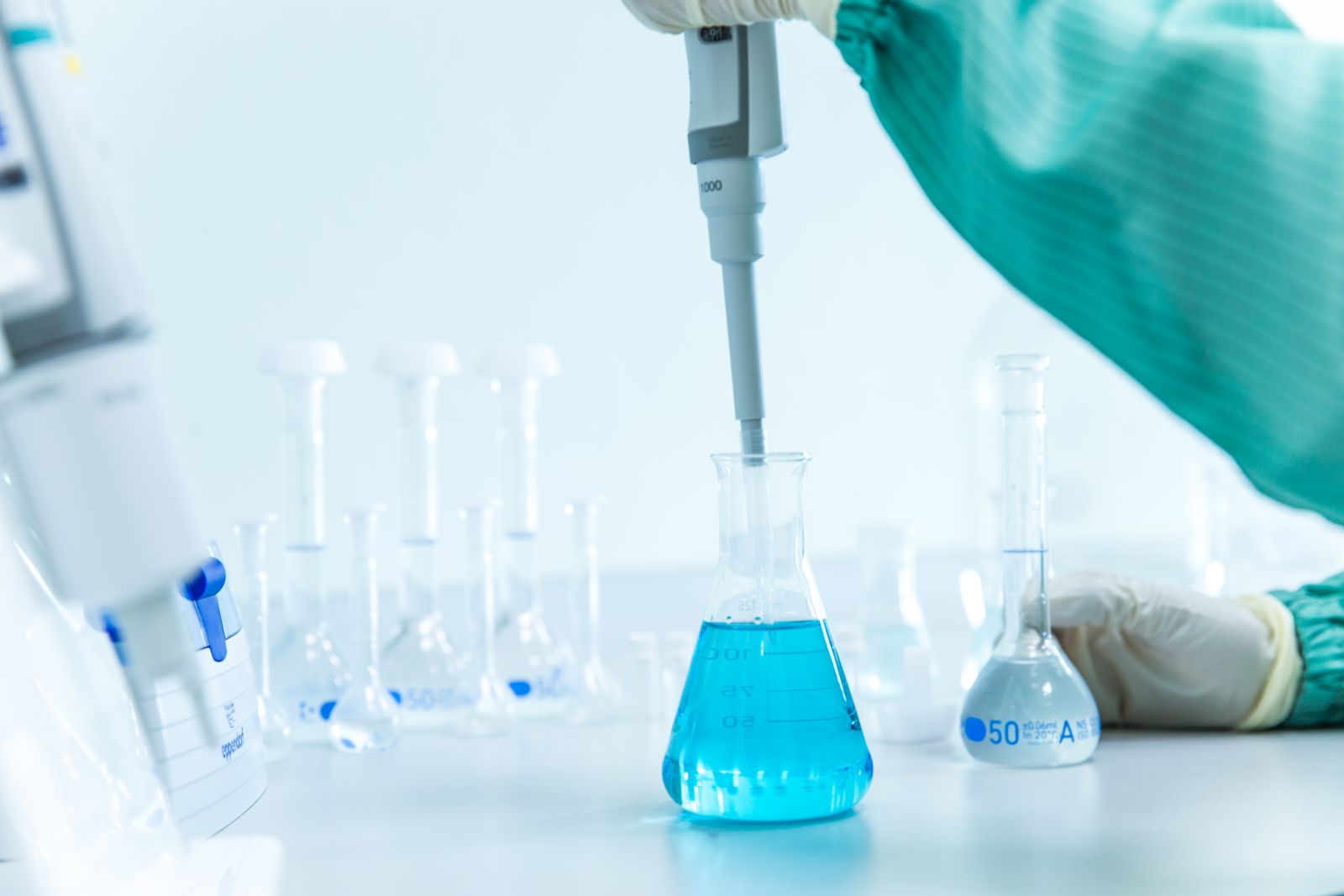
The Third Floor houses the Quality Control (QC) laboratories and Pharmaceutical Research and Development (R&D) facilities, forming a comprehensive pharmaceutical laboratory complex. The laboratories are specifically designed to support efficient workflows while ensuring high safety standards for handling cytotoxic pharmaceutical products, including anticancer medicines.
These laboratories are equipped with advanced capabilities for physicochemical analysis, microbiological testing, and specialized pharmaceutical evaluations. They are furnished with state-of-the-art analytical instruments, supporting both quality control activities and pharmaceutical research and development, and are among the most advanced facilities of their kind in Thailand.
The laboratories perform quality assessment across the entire product lifecycle, including:
• 0Raw material testing
• In-process control testing
• Finished product testing
• Stability studies for the determination of product shelf life
•Environmental monitoring of manufacturing areas
All laboratory operations are conducted under a robust quality assurance framework, utilizing validated analytical methods and qualified analytical instruments. Equipment calibration and method verification are performed regularly in accordance with international standards, ensuring the accuracy, reliability, and regulatory compliance of all analytical results.
-----------------------------------------------------------------------------------------------------------------------------------------------------------------------------------

Fourth Floor – Administration and Data Management
The Fourth Floor accommodates the administrative offices and the data management center, which support governance, documentation, and information control across all operational functions of the Chulabhorn Royal Pharmaceutical Manufacturing Facility.
All operations of the Facility are conducted in accordance with international quality assurance principles, which recognize that product quality is the cumulative outcome of quality at every stage and element of production. This encompasses the quality of raw materials, packaging materials, equipment, machinery, facilities, environmental conditions, personnel, and manufacturing processes.
Each element is subject to defined standards, validation, and testing to ensure accuracy, consistency, and compliance with applicable requirements. Manufacturing processes are required to meet the specifications and acceptance criteria stipulated in pharmacopoeial standards and in product registrations approved by the Thai Food and Drug Administration (Thai FDA).
The administrative and data management functions play a central role in maintaining data integrity, regulatory documentation, traceability, and compliance, ensuring that quality is systematically built into every aspect of pharmaceutical manufacturing and maintained throughout the product lifecycle.
-----------------------------------------------------------------------------------------------------------------------------------------------------------------------------------
The Chulabhorn Royal Pharmaceutical Manufacturing Facility is the first pharmaceutical manufacturing facility in Thailand dedicated to anticancer medicines to be certified under Good Manufacturing and Distribution Practices (GMDP) in compliance with PIC/S standards. This certification represents the highest internationally recognized standard for pharmaceutical manufacturing and distribution.
PIC/S GMDP certification provides a primary assurance that products manufactured at the Facility meet stringent requirements for quality, efficacy, and safety, and are equivalent in standard to pharmaceutical products produced in advanced industrialized countries. This achievement reflects the Facility’s robust quality management system, regulatory compliance, and commitment to international best practices in pharmaceutical manufacturing.
Guided by the far-sighted vision and unwavering dedication of Her Royal Highness Princess Chulabhorn Krom Phra Srisavangavadhana, cancer care has been advanced with a holistic focus on both effective treatment and quality of life. With deep compassion for patients and a strong commitment to scientific progress, every opportunity has been pursued to improve access to high-quality cancer therapies.
In response to this royal vision, Chulabhorn Royal Academy has taken a decisive step toward strengthening Thailand’s pharmaceutical self-reliance by enabling the domestic production of high-efficacy anticancer medicines. Oral targeted cancer therapies were selected as the first priority, as they offer both high therapeutic effectiveness and greater convenience for patients, helping to ease daily treatment and improve overall well-being.
Under the guiding principle of people readiness, facility readiness, and process readiness, the development of the Chulabhorn Royal Pharmaceutical Manufacturing Facility was carried out with rigor and care, combining national expertise with international standards. Her Royal Highness personally followed the progress of the project, offering guidance and encouragement to ensure that every step met the highest pharmaceutical benchmarks.
This dedication culminated in the successful production of IMCRANIB 100, Thailand’s first domestically manufactured oral targeted cancer medicine. Approved by the Thai Food and Drug Administration in 2025, the medicine is now ready for use, marking a significant milestone in improving access to safe, effective, and high-quality cancer treatment for patients across the country.
With exceptional insight and a profound understanding of pharmaceutical science, Her Royal Highness Princess Chulabhorn Krom Phra Srisavangavadhana has laid down a thoughtful and rigorous policy that goes beyond producing high-quality medicines. Her vision places equal emphasis on creating new pharmaceutical industrial knowledge and strengthening national human capacity across the entire value chain—from formulation development and scale-up, to manufacturing control, quality control, quality assurance, and environmental management.
This approach prepares Thailand to meet future research challenges while opening opportunities for organizations to learn and grow together with the Facility. As a result, the initiative has evolved into a shared learning platform and a strong pharmaceutical network, linking education, research, and industry in a sustainable and meaningful way.
Beyond reducing reliance on foreign medicines, the advancement of this high-value pharmaceutical industry is expected, in the long term, to become a key engine for national economic growth, while reinforcing the resilience and sustainability of Thailand’s healthcare system.