 Home
Home


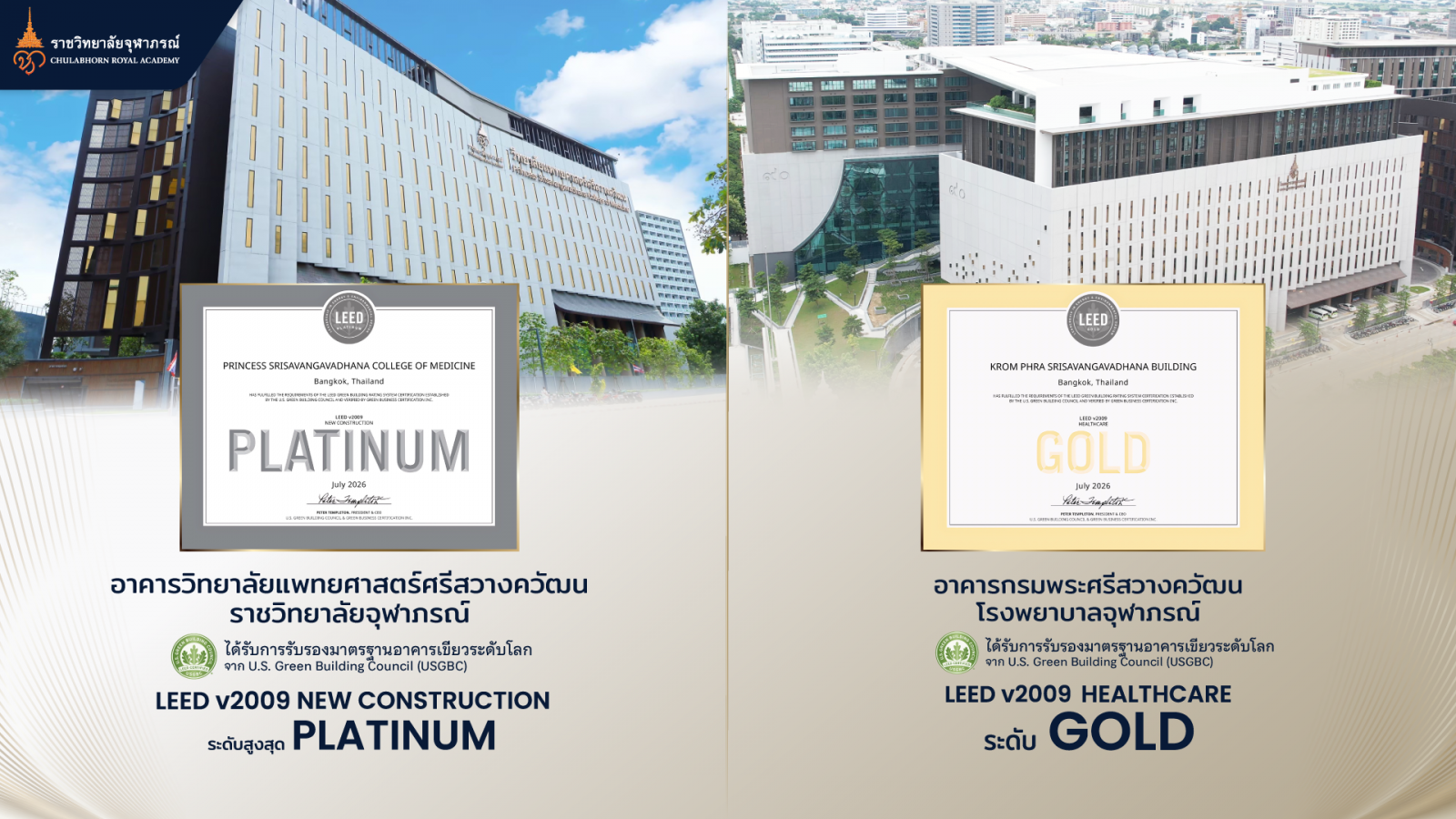
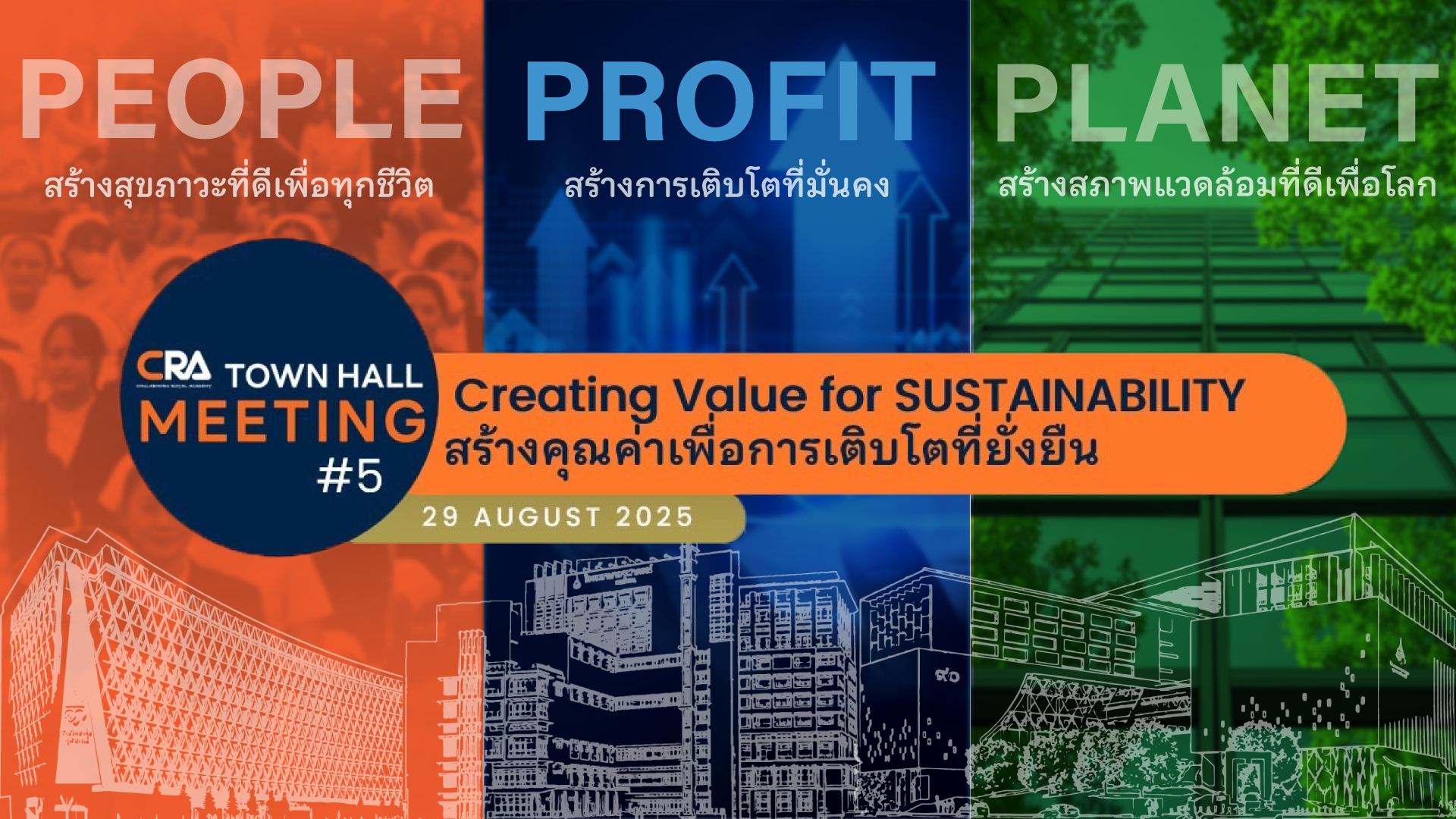
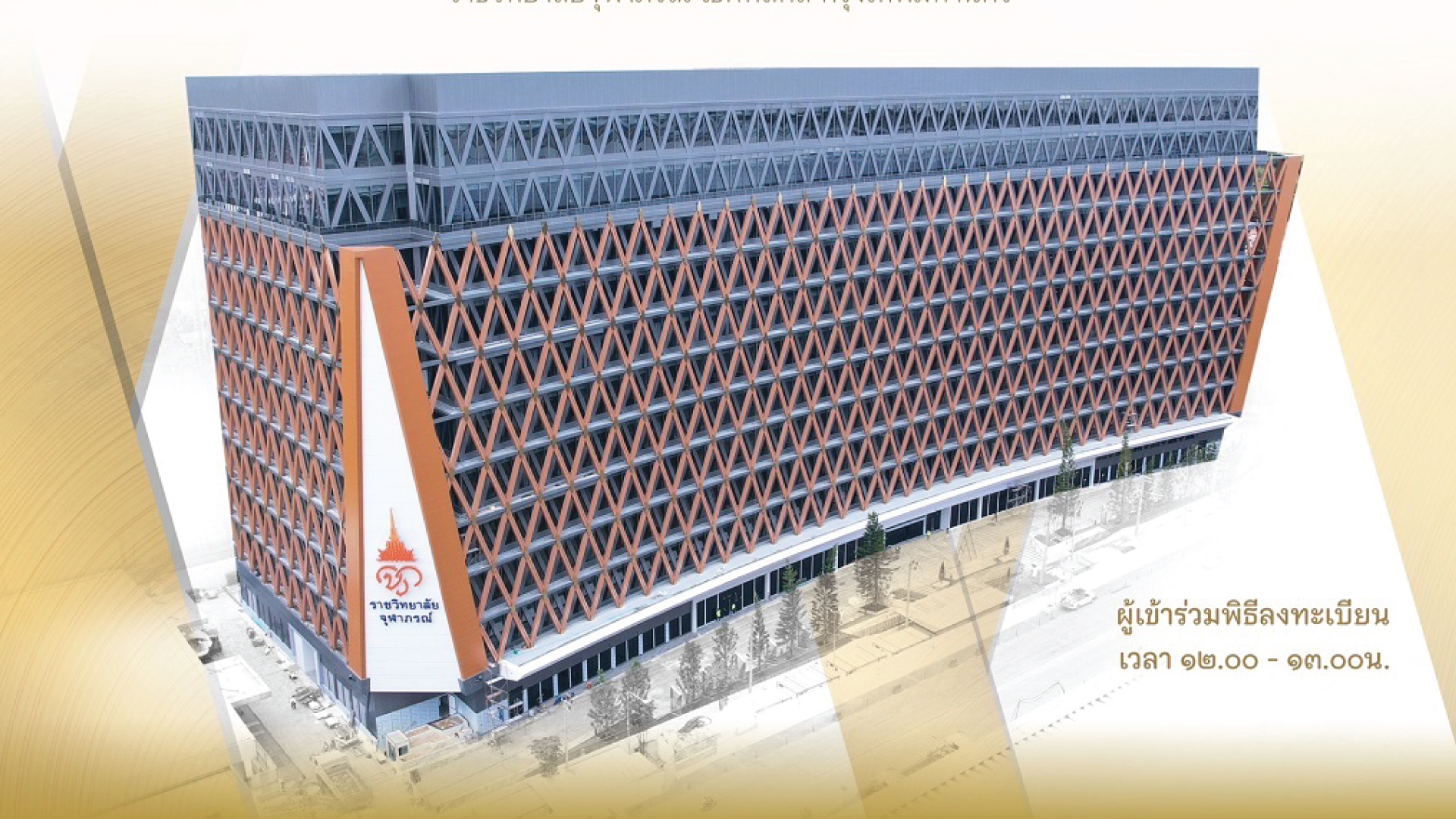
Chulabhorn Royal Academy Champions Sustainability: "Krom Phra Srisavangavadhana Building" Achieves LEED Gold, While "Princess Srisavangavadhana College of Medicine Building" Secures LEED Platinum
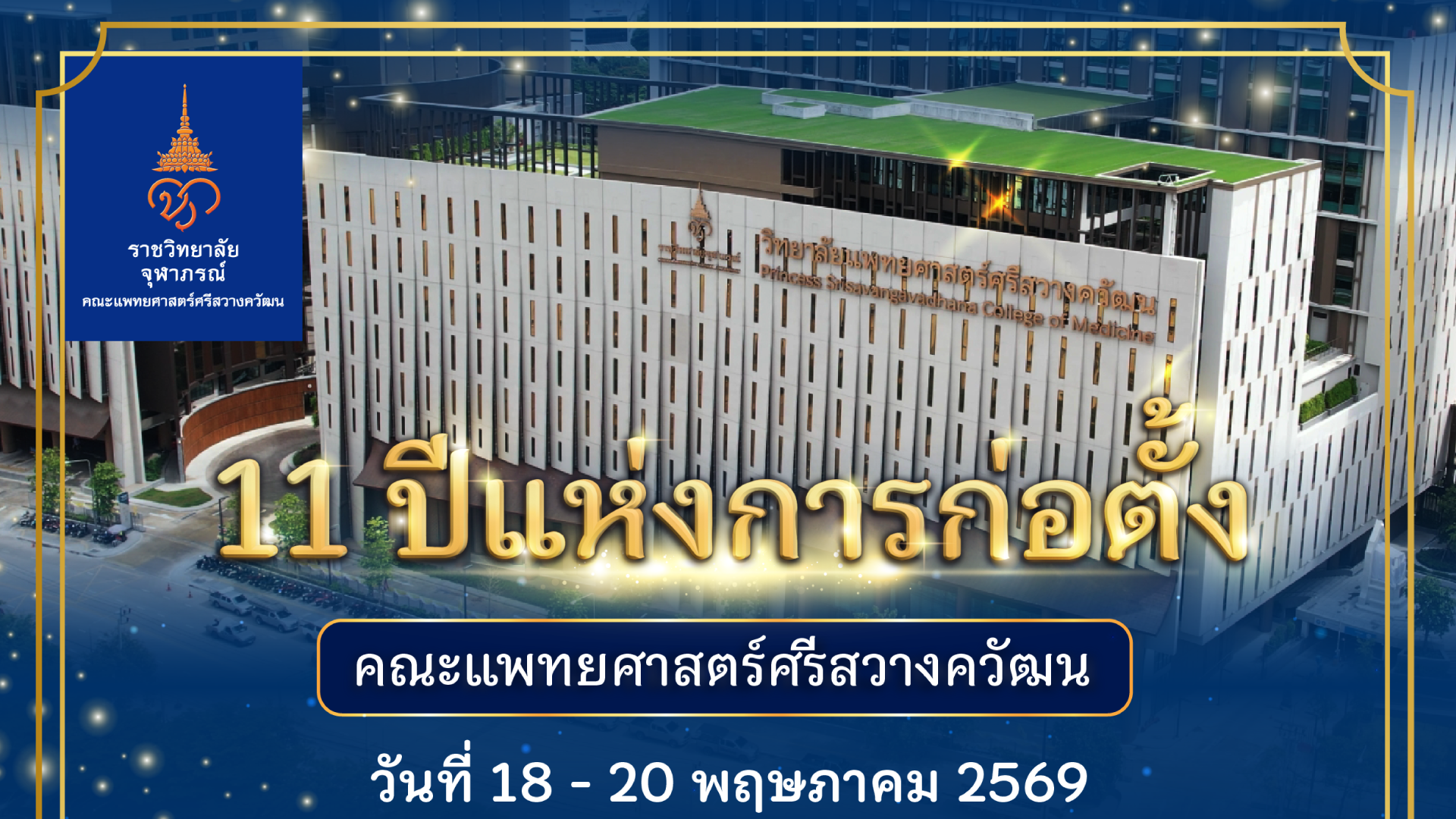
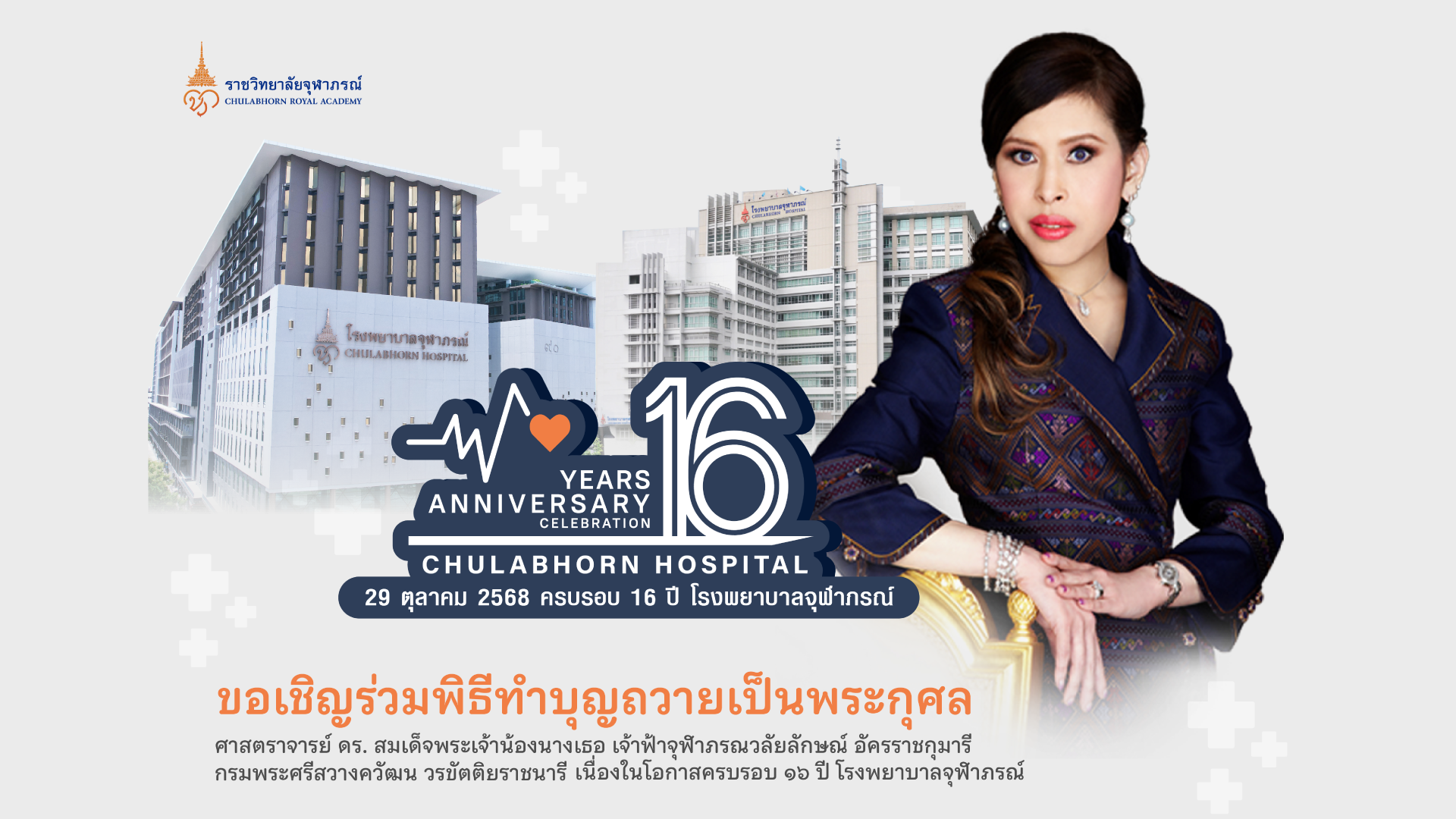
Bangkok, 27 August 2026 – Chulabhorn Royal Academy (CRA) reaffirms its success and commitment to driving organizational sustainability. The Academy is proud to announce international recognition for its facilities: the 400-bed Chulabhorn Hospital, or the "Krom Phra Srisavangavadhana Building," has been certified with the LEED v2009 Healthcare Gold level, and the "Princess Srisavangavadhana College of Medicine Building" has achieved the highest LEED v2009 New Construction Platinum level from the U.S. Green Building Council (USGBC), a global leader in green building assessment, in July 2026. This milestone marks the first public medical university hospital in Thailand to receive LEED certification.
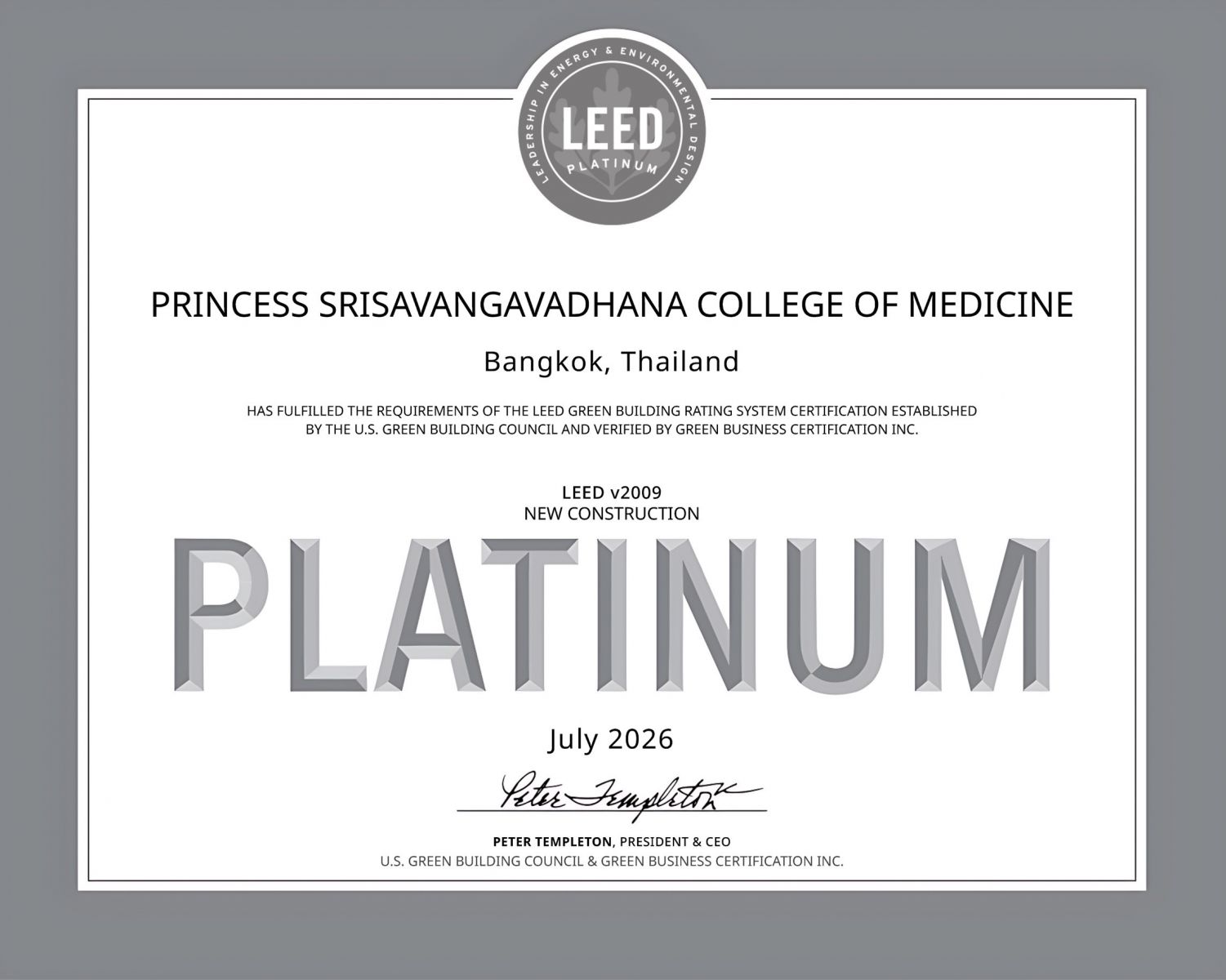
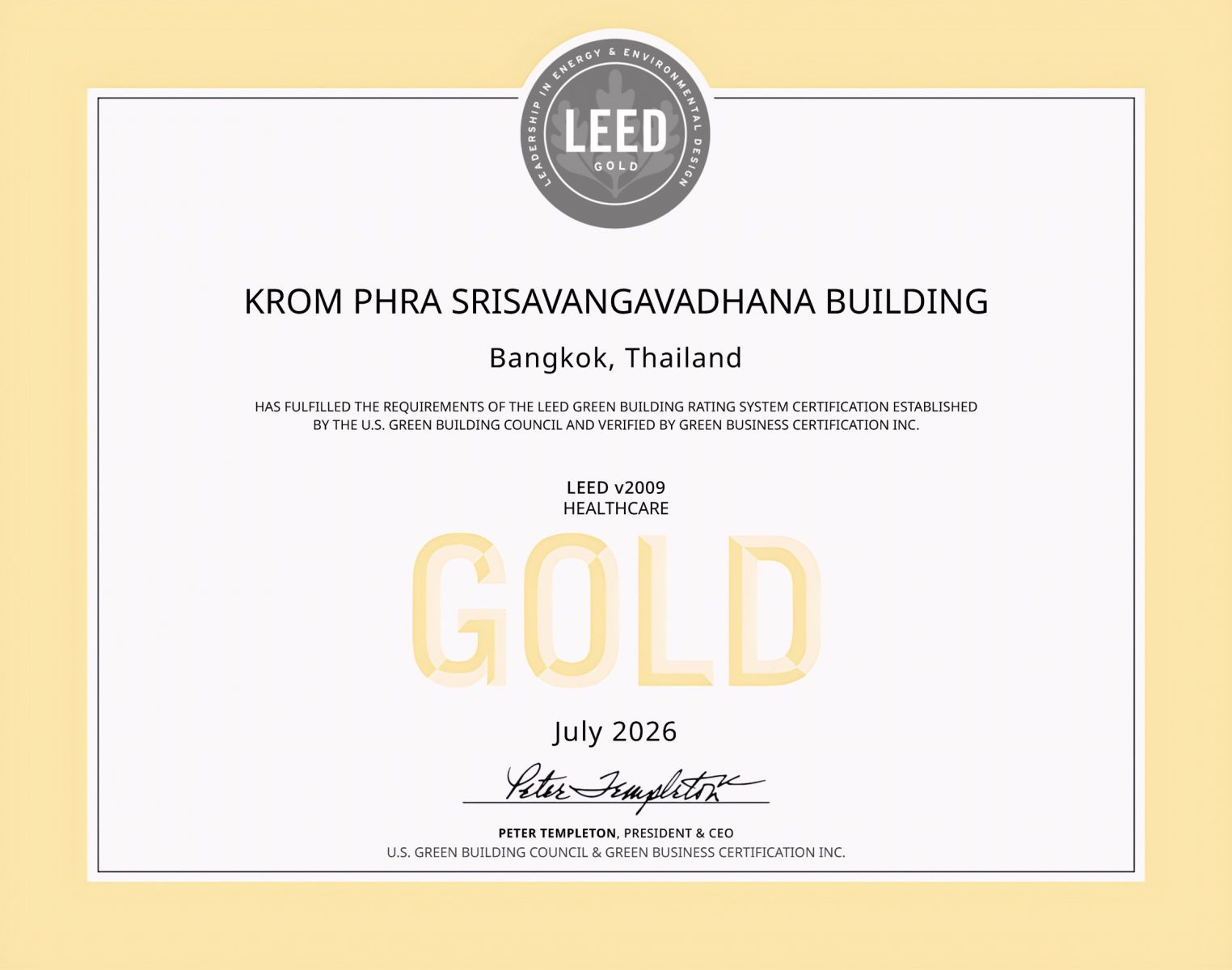
This achievement reflects the vision of Chulabhorn Royal Academy, which prioritizes not only excellence in medical services and education but also the health, hygiene, and quality of life for patients, personnel, and students. By integrating energy conservation and environmental stewardship, the Academy supports national goals toward Net Zero emissions and a sustainable way of life. Under the rigorous criteria of the LEED (Leadership in Energy and Environmental Design) rating system—the world’s most trusted green building framework—the CRA buildings excelled in the following seven areas:
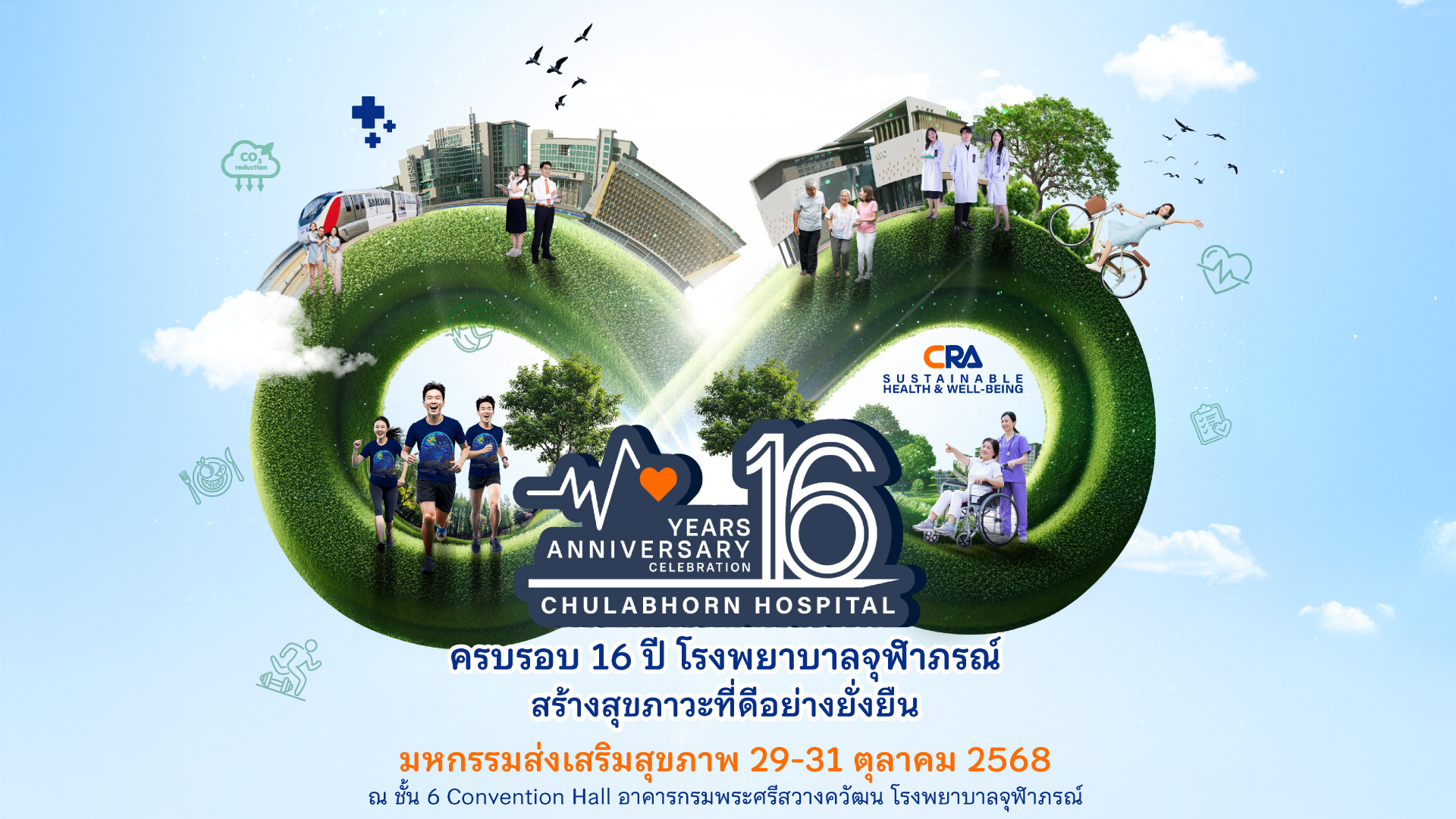
Sustainable Sites: Located in the heart of the Government Complex in northern Bangkok, both the Krom Phra Srisavangavadhana Building and the Princess Srisavangavadhana College of Medicine Building feature dedicated spaces for bus stops to support public transit, bicycle parking to promote alternative commuting, and high-efficiency parking spots for fuel-efficient and alternative-energy vehicles.
Green Space: Designed with ecological green areas and open spaces, the project features shaded walkways and wheelchair-accessible paths surrounded by nature, serving as restorative spaces that promote the well-being of patients, relatives, and staff.
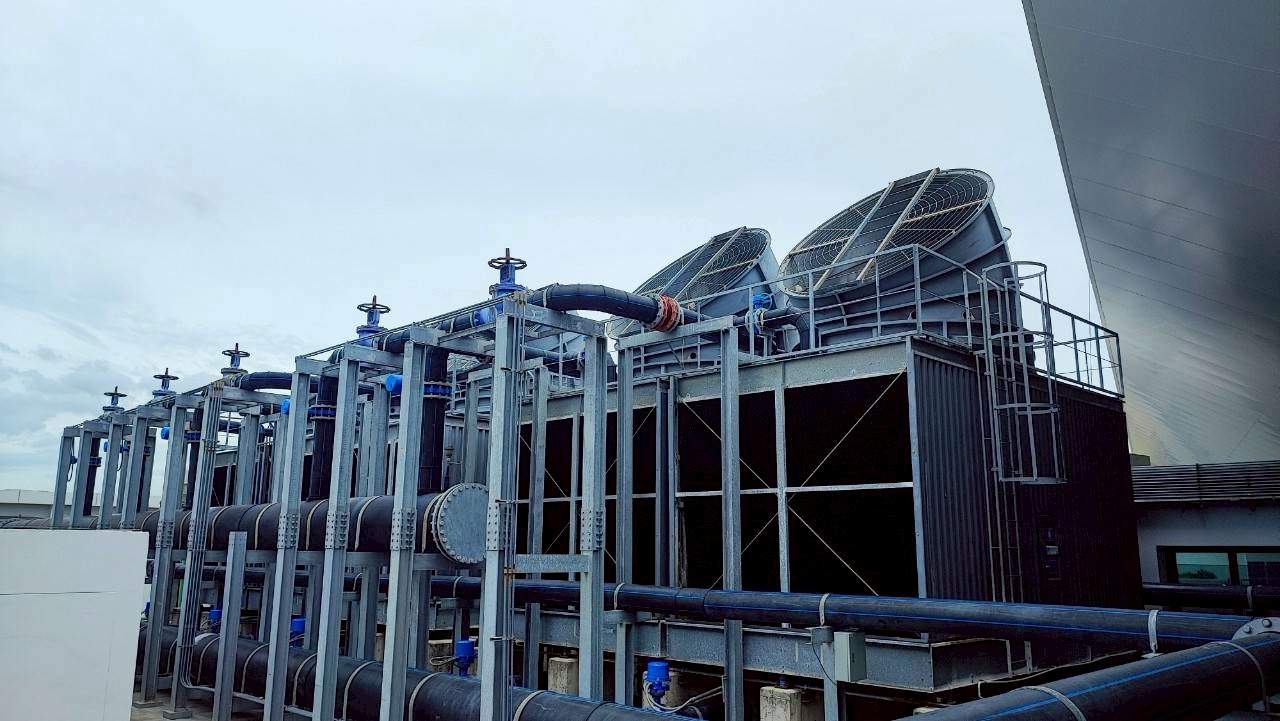
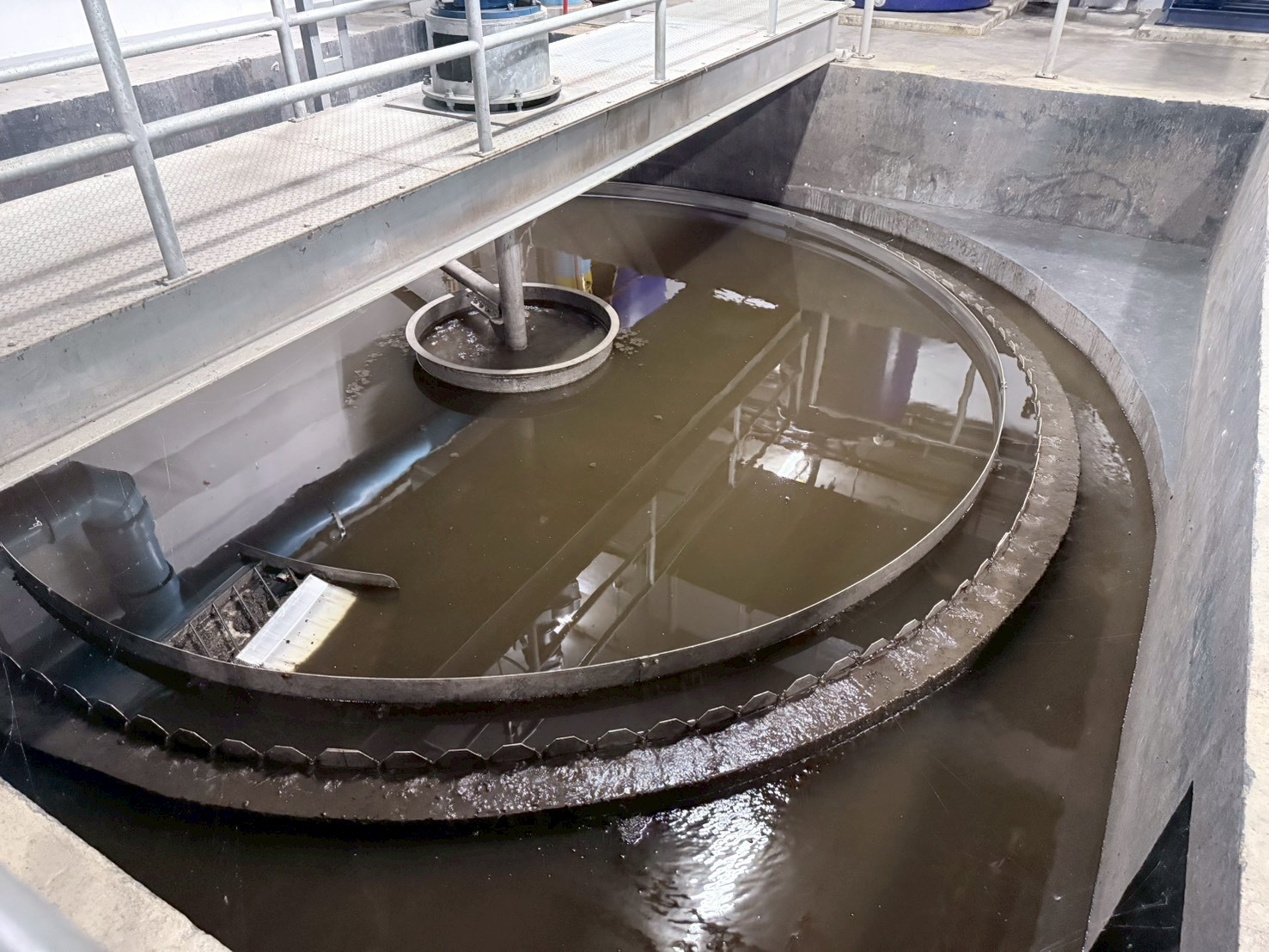
Water Efficiency: Water resources are managed for maximum value through the use of water-saving sanitary ware, combined with a wastewater treatment system that recycles water for landscape irrigation and cooling towers, alongside sub-meters to accurately monitor and control water usage.
Energy & Atmosphere Efficiency: As medical facilities operating 24/7, the buildings utilize advanced energy-saving
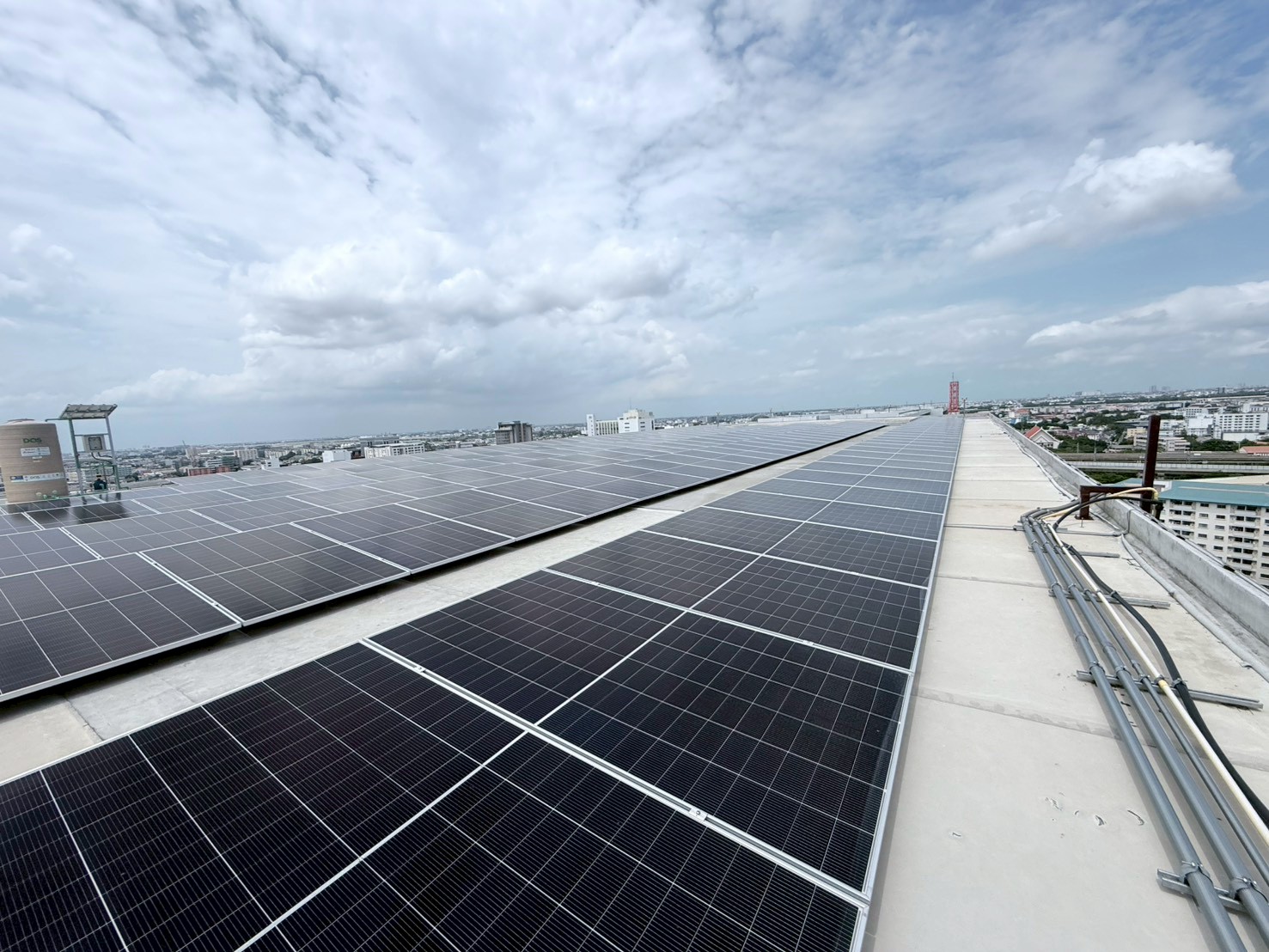
Innovations: Installation of rooftop solar panels to generate clean electricity.
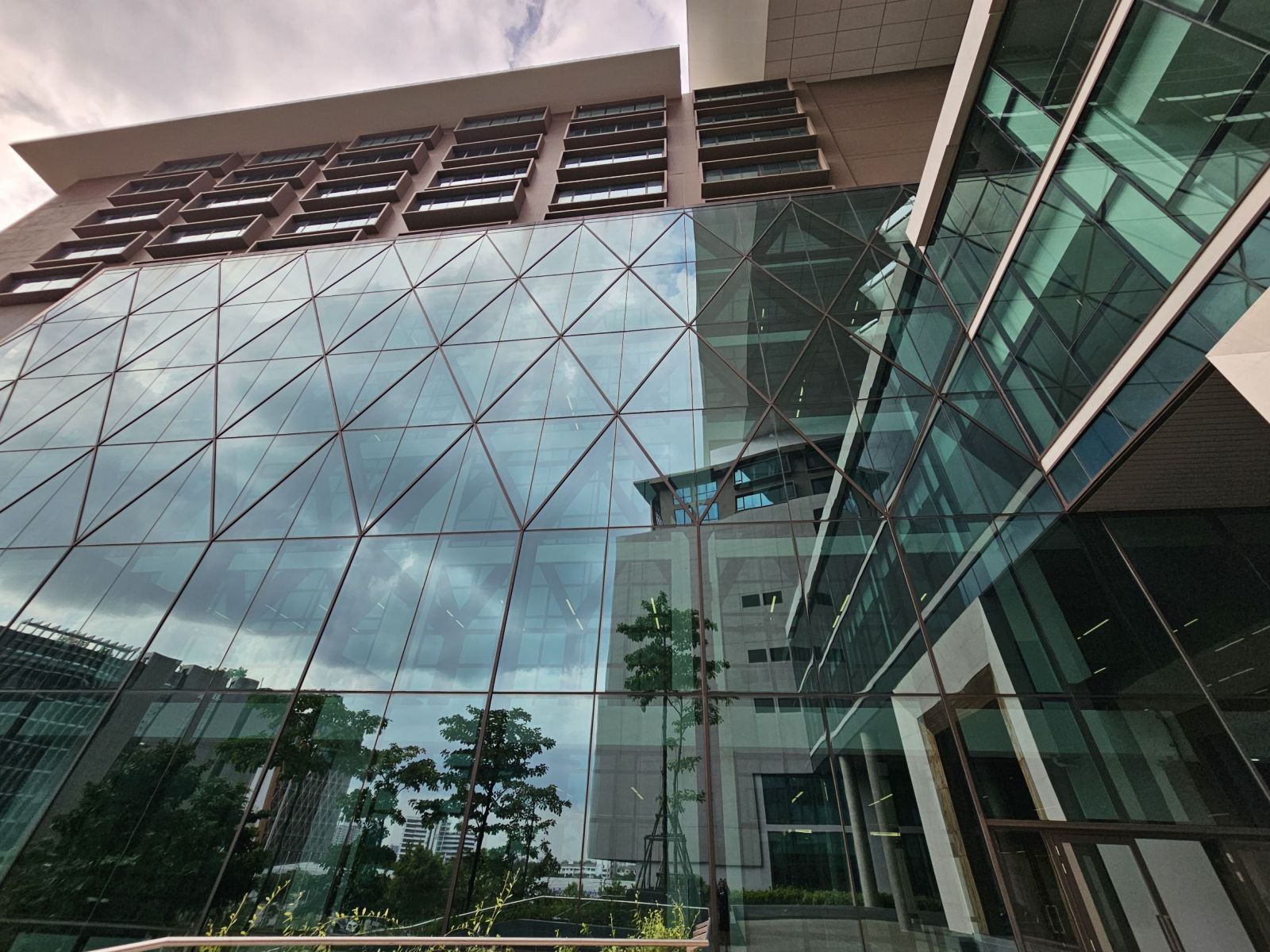
Use of Laminated Insulated Low-E glass and roof insulation to prevent heat gain.
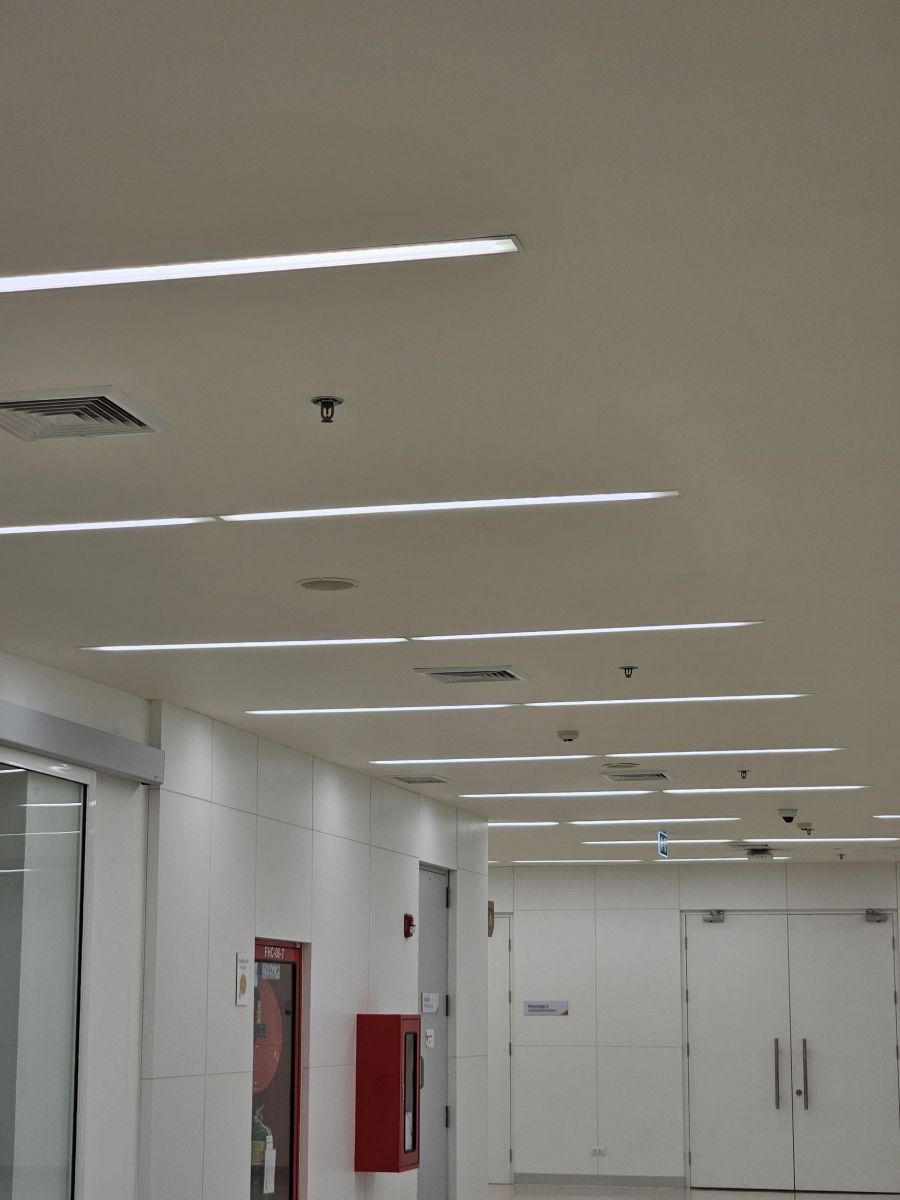
High-efficiency LED lighting combined with daylight sensors.
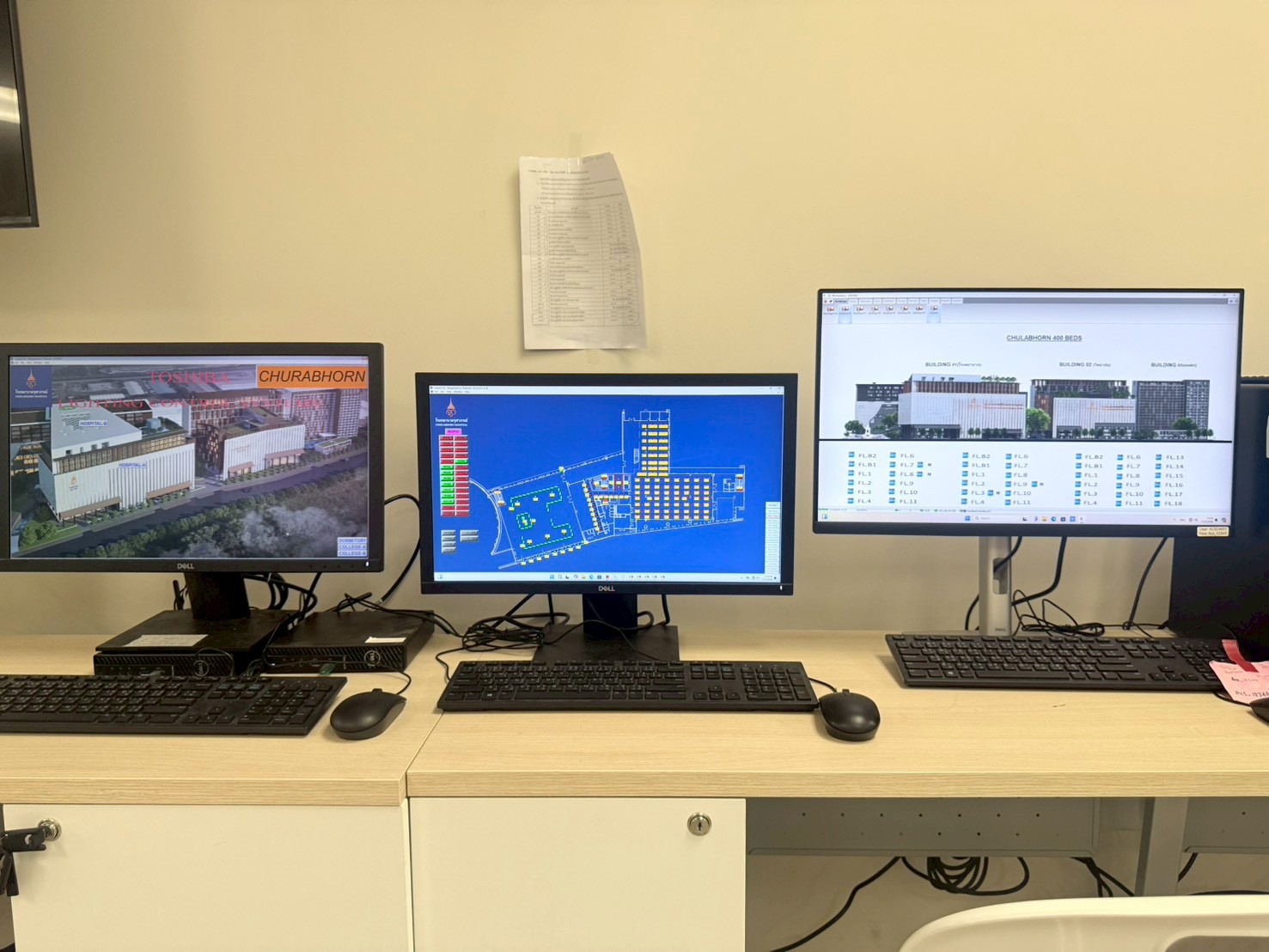
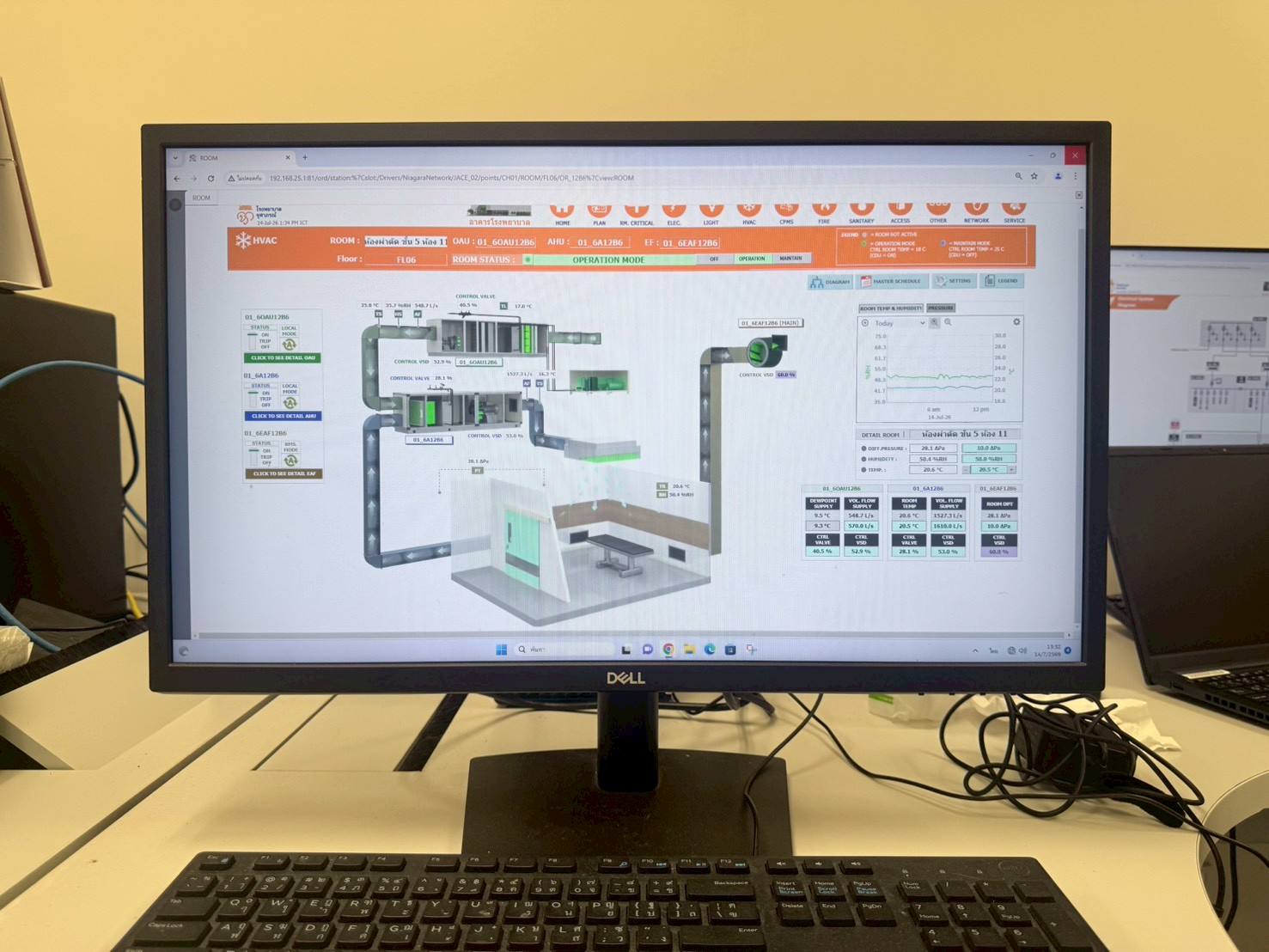
Building Automation Systems (BAS) with digital meters to monitor, record, and manage energy consumption.
Air conditioning systems using ozone-friendly refrigerants with a low Global Warming Potential (GWP), coupled with strict construction pollution control.
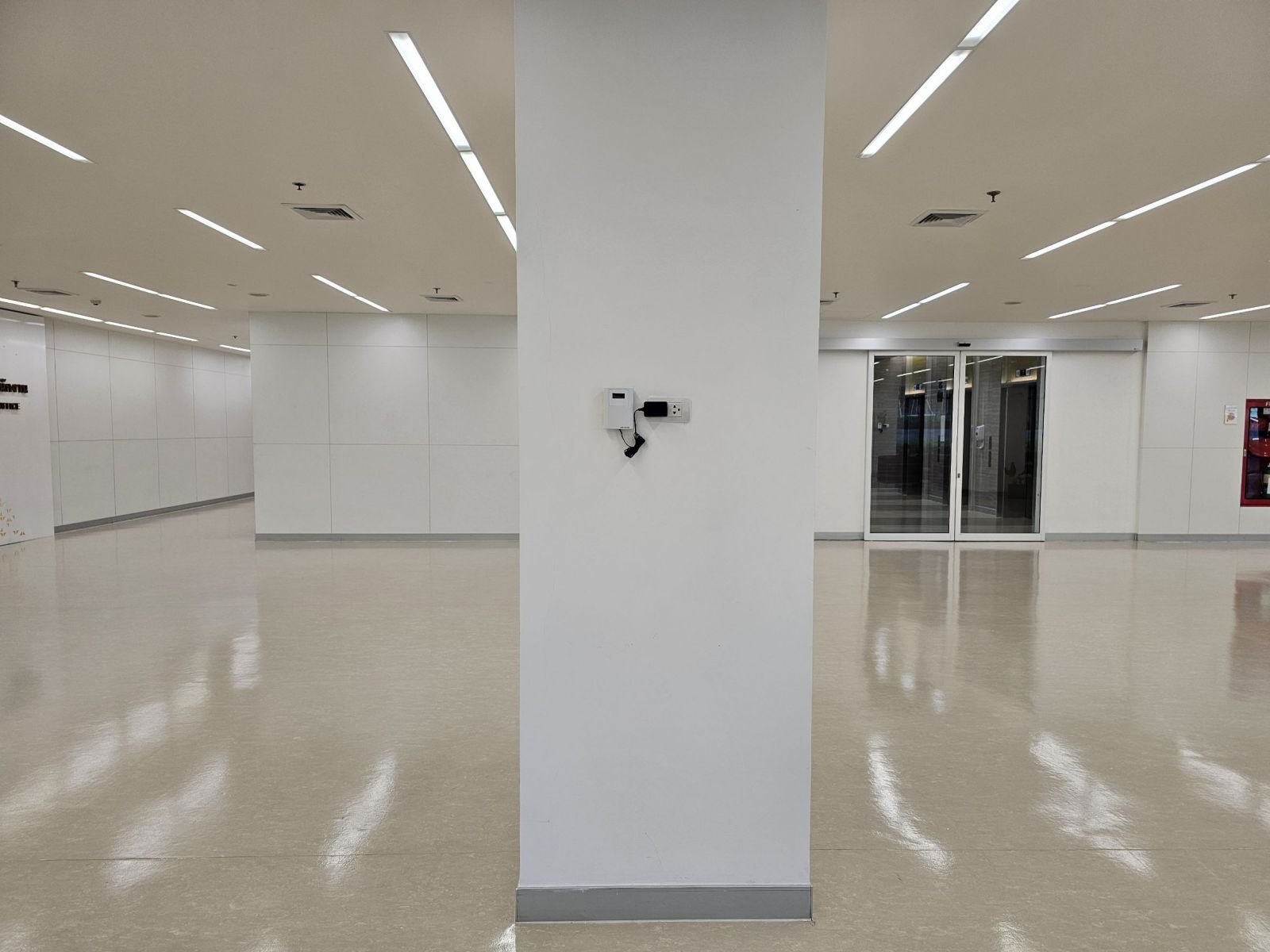
Indoor Environmental Quality: The buildings prioritize air quality through state-of-the-art HVAC systems. Real-time monitoring of fresh air intake and CO2 levels, along with control of temperature, airflow, and humidity, ensures a clean, safe, and healthy environment for all occupants.
Material Safety: Construction materials were selected to be free of toxins such as mercury, lead, cadmium, and copper to reduce air pollution and pathogens. External surfaces and roofing utilize high-reflectance materials to reduce the urban heat island effect, with a focus on environmentally friendly materials, recycled components, and locally sourced products.
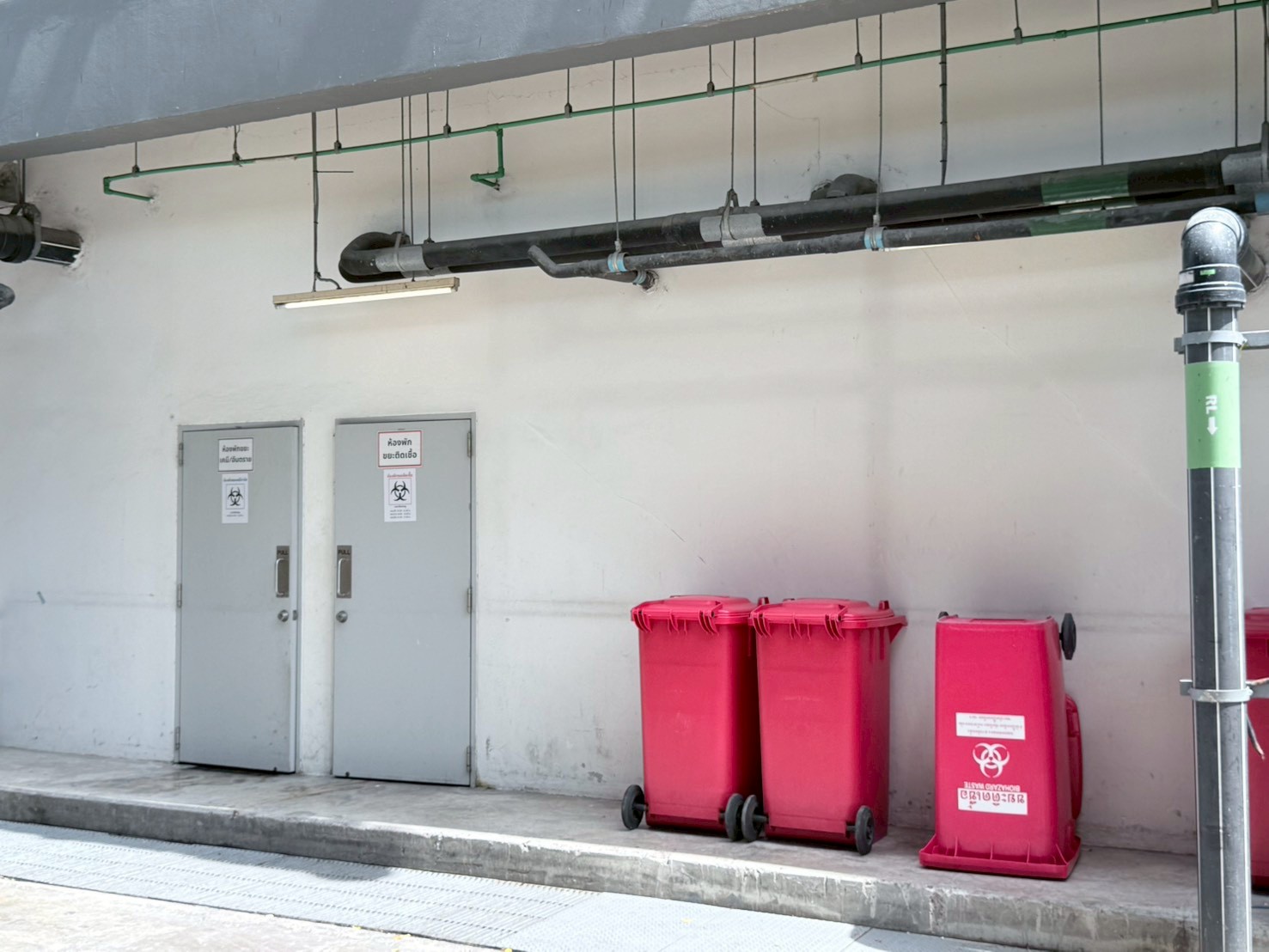
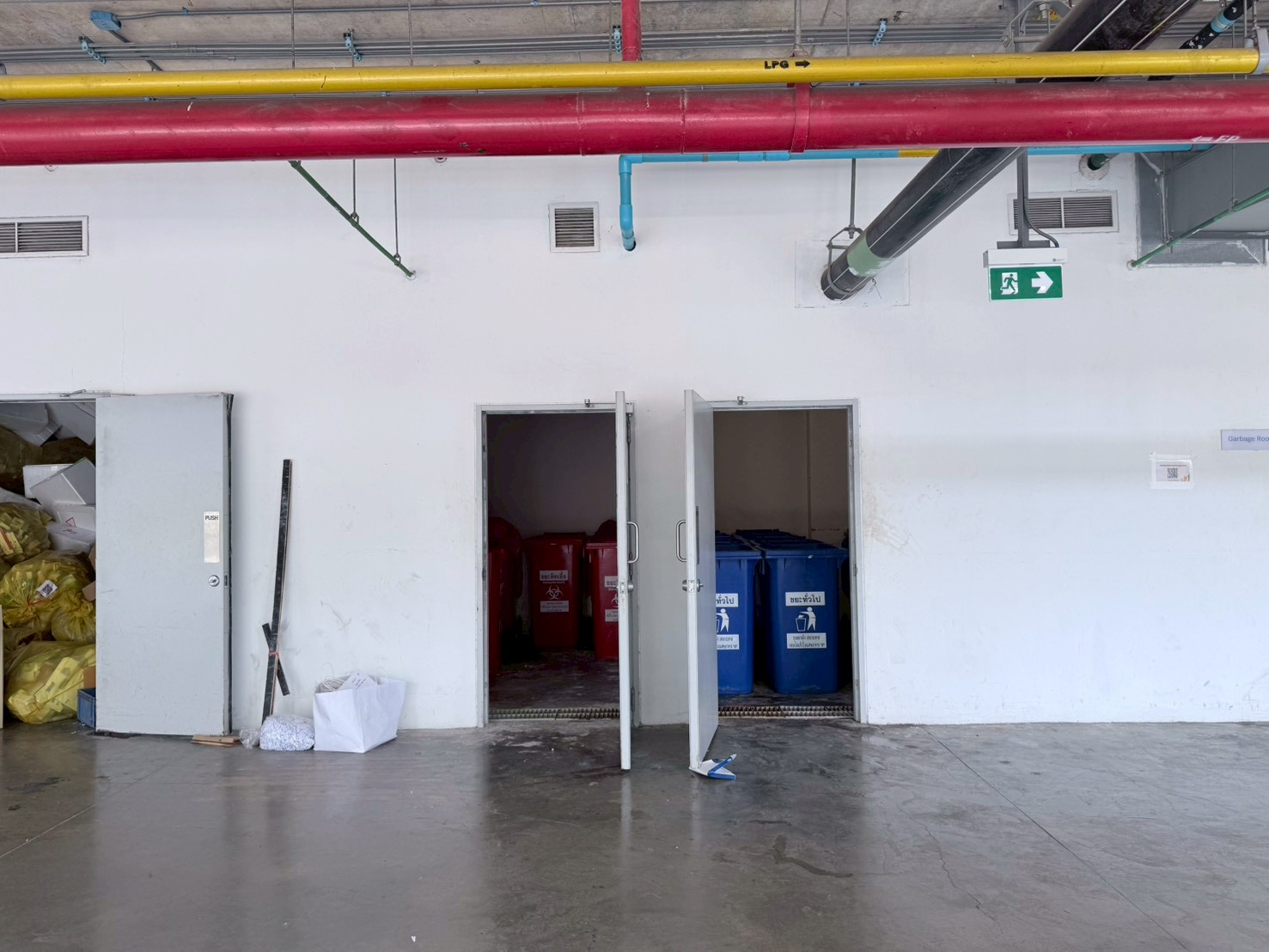
Waste Management: The facilities include systematic waste segregation areas for wet waste, dry waste, hazardous waste, and recyclables. This management started during the construction phase and continues through daily eco-friendly building operations.
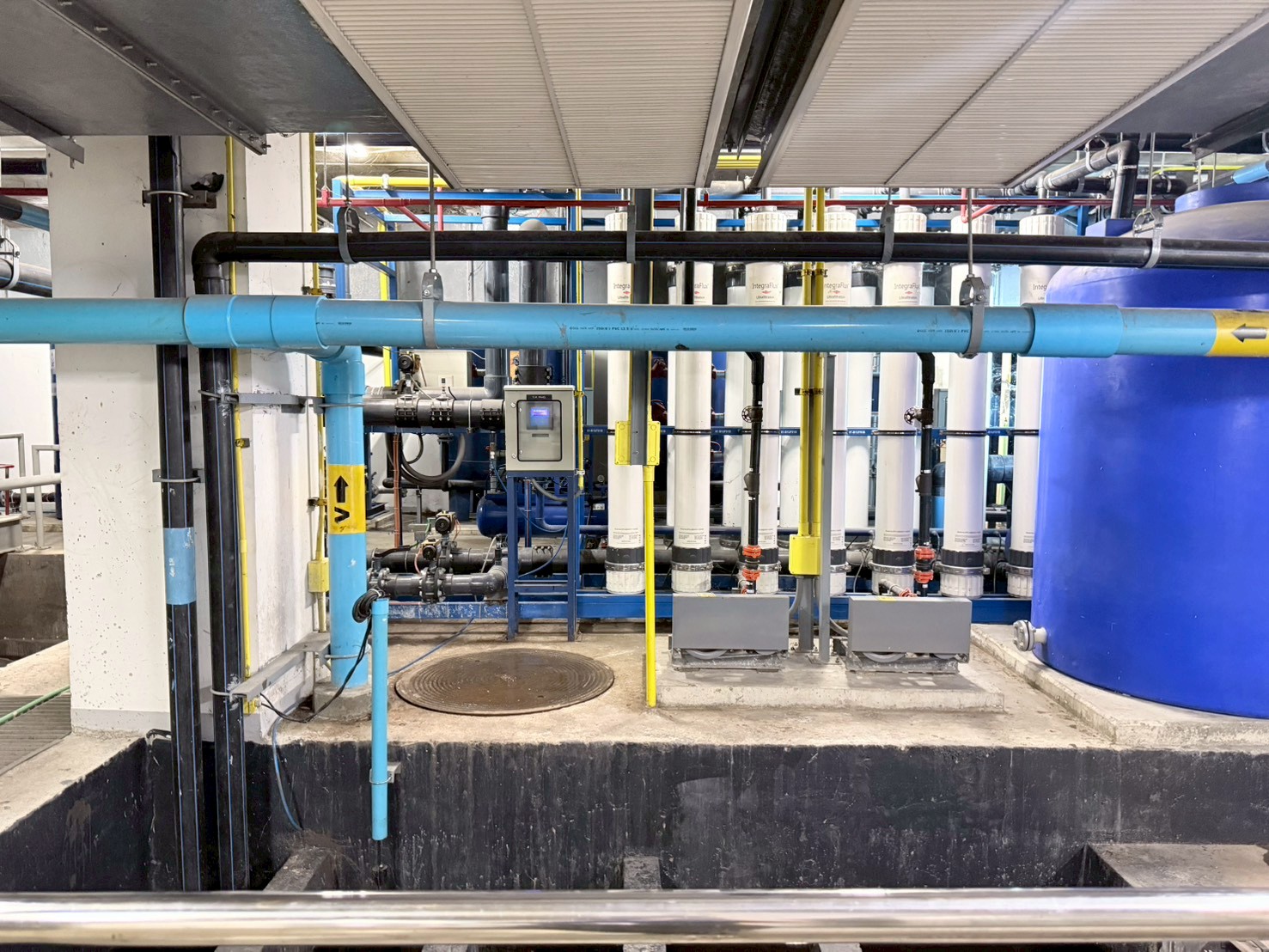
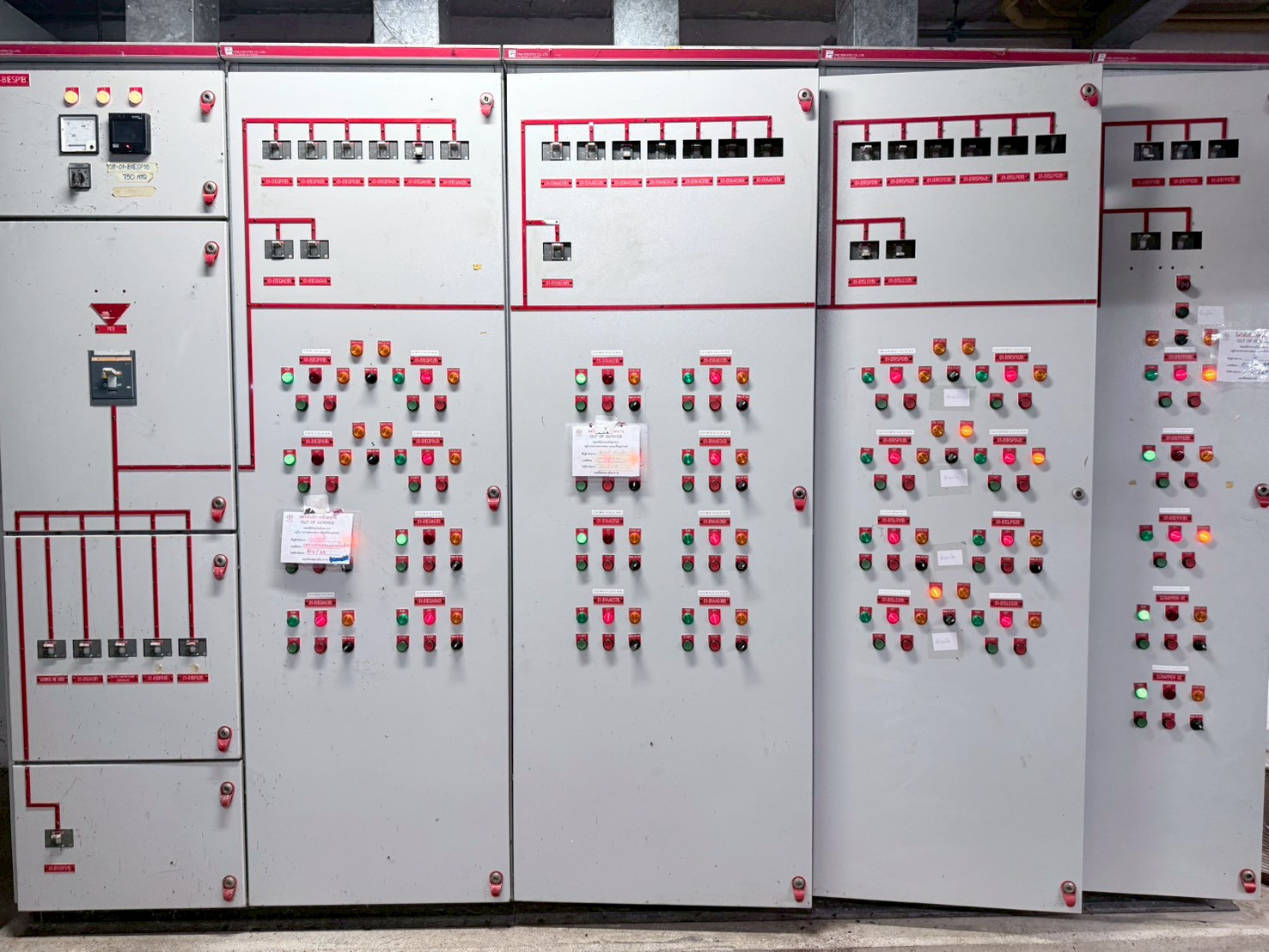
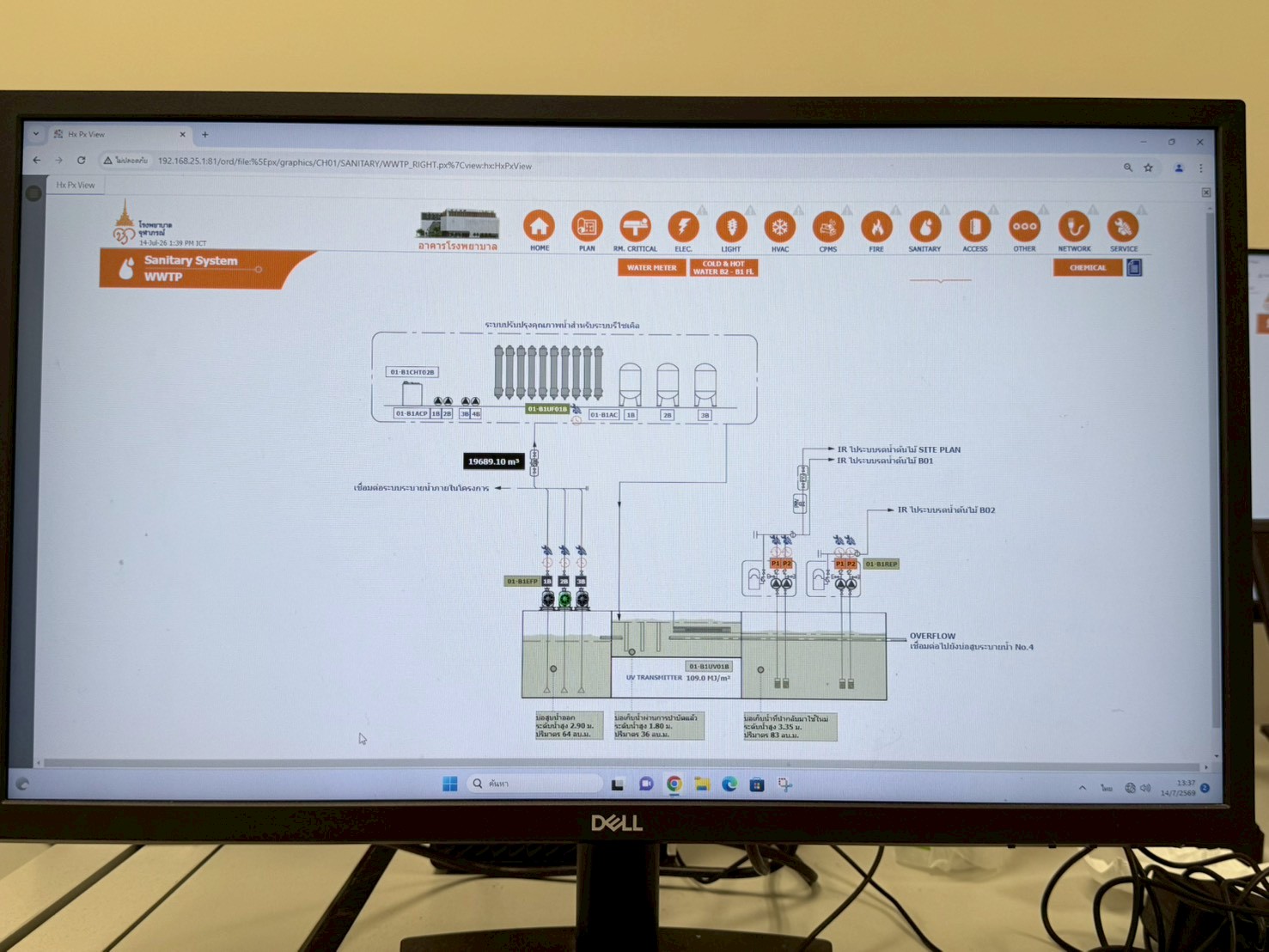
Receiving LEED Gold and Platinum certifications is not merely a success in architecture and building management; it is a "major step" reflecting Chulabhorn Royal Academy’s unwavering commitment to the Sustainable Development Goals (SDGs). The Academy is dedicated to integrating environmental conservation and energy efficiency into its organizational culture and long-term strategic plans—spanning medical research, innovation, and the training of the next generation of medical professionals. The goal is to remain a safe hub for learning and healthcare that is friendly to the surrounding community and serves as a model organization in driving Thailand toward a low-carbon society, while continuously elevating the quality of life and health for the Thai people.