 Home
Home



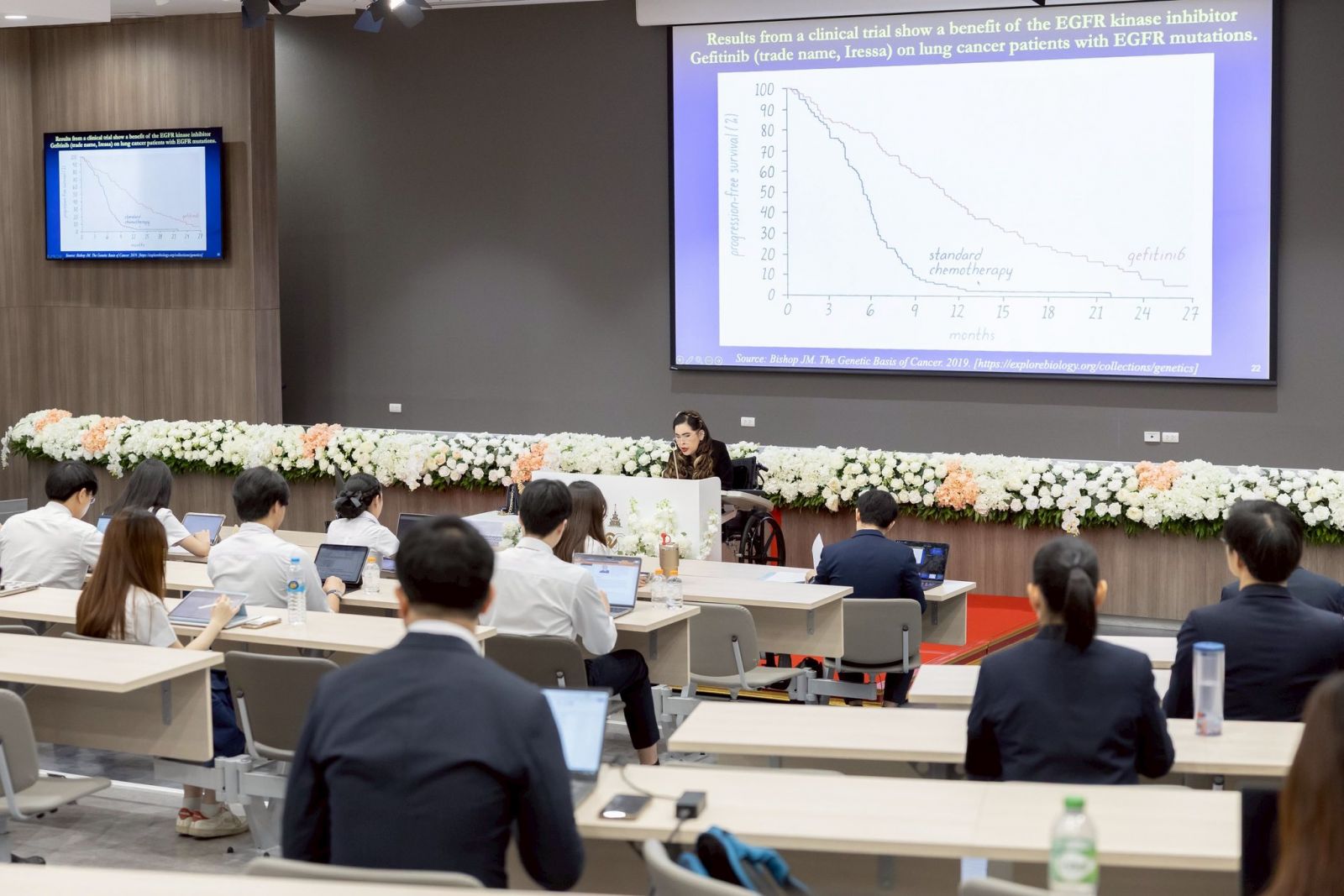
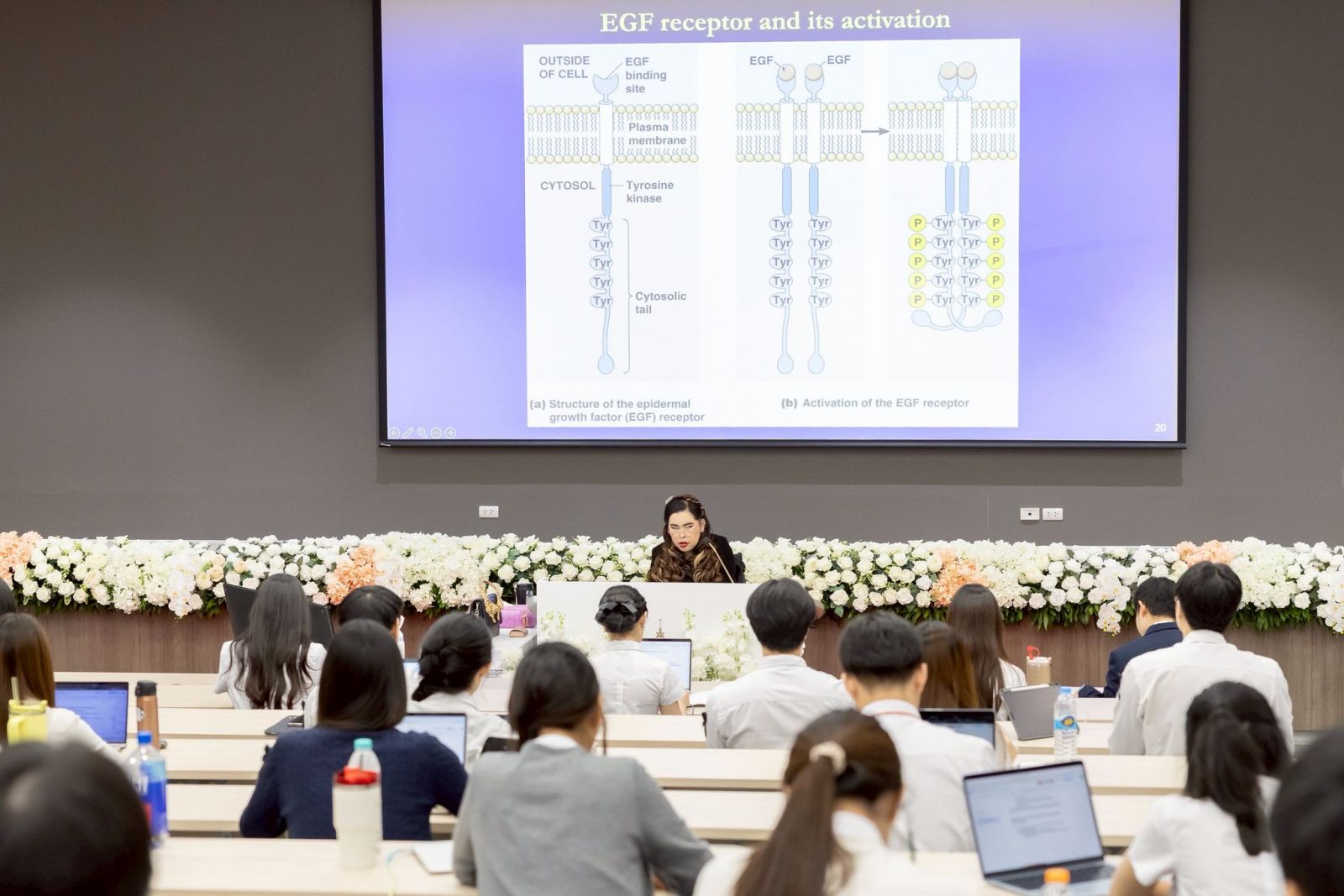
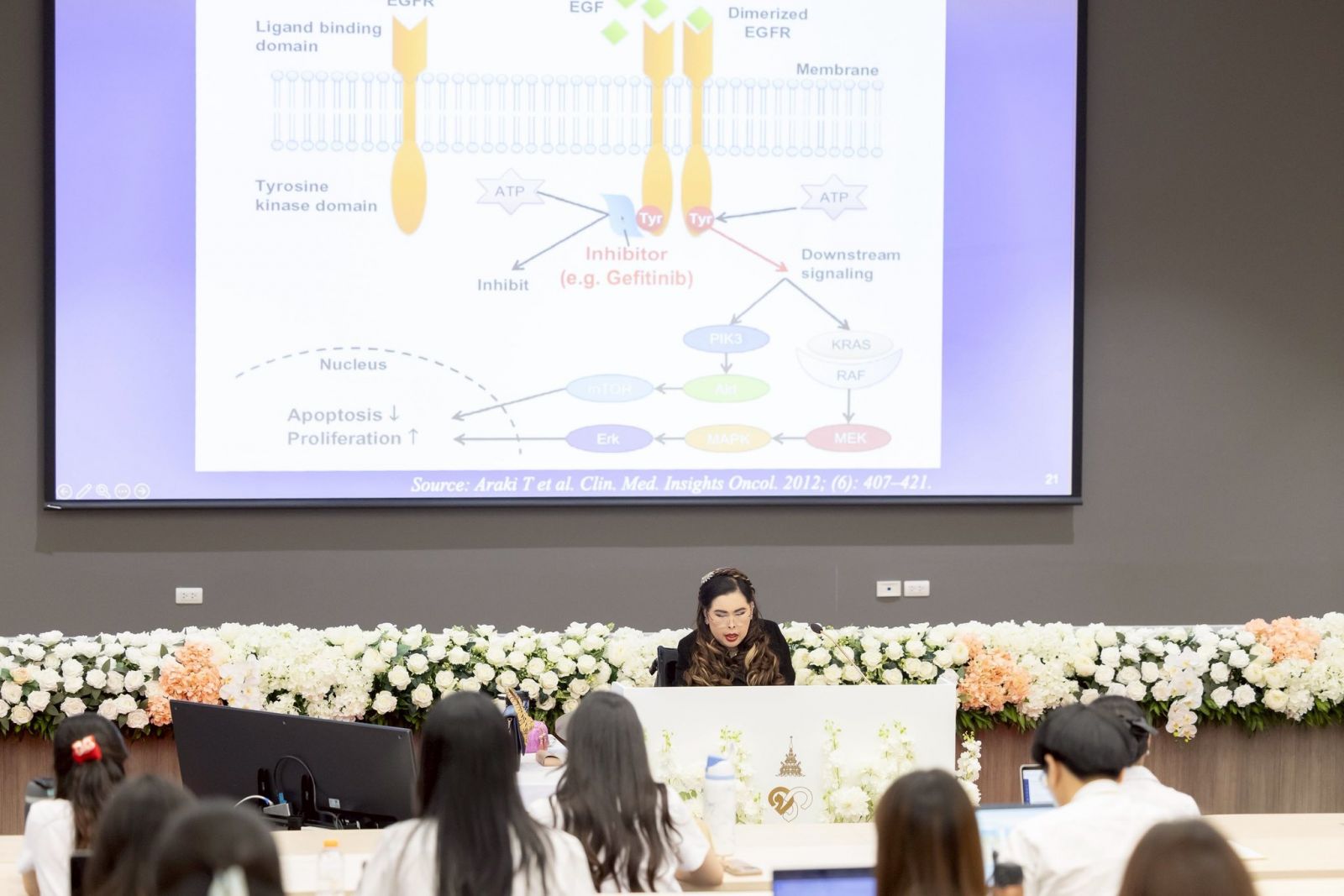
Her Royal Highness Professor Dr. Princess Chulabhorn Krom Phra Srisavangavadhana presided over and delivered a special lecture entitled “The Development of Cancer” to third-year medical students of the Doctor of Medicine Program, Faculty of Medicine, Srisavangavadhana College of Medicine, Chulabhorn Royal Academy, for the fourth consecutive occasion.
On Tuesday, 17 February 2026, at 12:45 p.m., Her Royal Highness Professor Dr. Her Royal Highness Princess Chulabhorn Walailak, the Princess Royal, Krom Phra Srisavangavadhana, proceeded to the Srisavangavadhana College of Medicine Building at Chulabhorn Royal Academy, Lak Si District, where she delivered a special lecture entitled “The Development of Cancer, or Oncogenesis” to third-year medical students (Class 4) of the Doctor of Medicine Program (Revised Curriculum B.E. 2563 [2020]), Semester 2 of the Academic Year 2025, Faculty of Medicine, Srisavangavadhana College of Medicine.
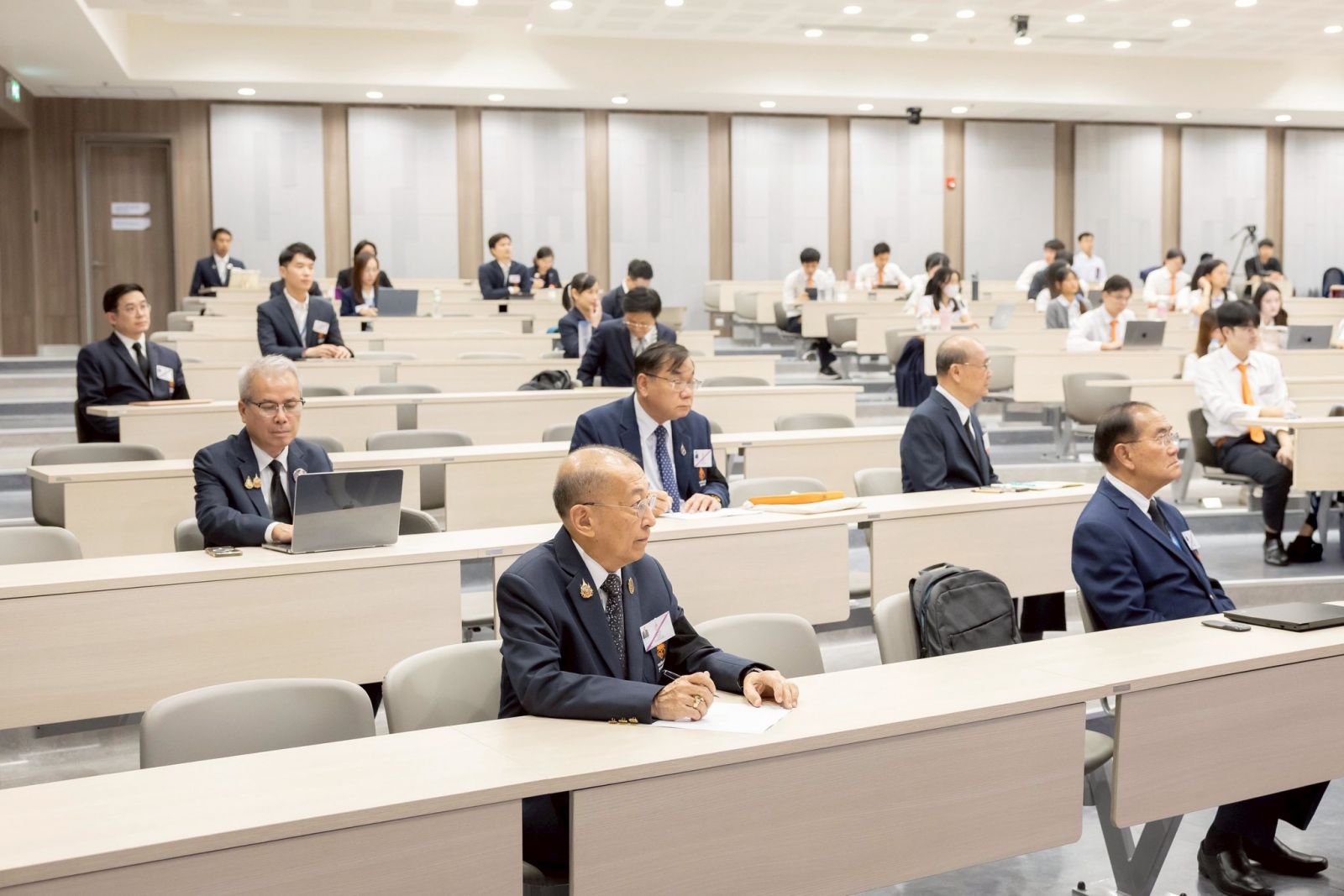
On this occasion, acting Deputy Secretaries-General of Chulabhorn Royal Academy, led by Professor Emeritus Rajata Rajatanavin, M.D., Dr. Thakur Phanit, Mr. Boon Tapanadul, and Dr. Watchara Chatwiriya, together with Mr. Sayumporn Limthai Acting Assistant Secretary-General of Chulabhorn Royal Academy; Associate Professor Teerapat Ungtrakul, M.D.Acting Dean, Princess Srisavangavadhana Faculty of Medicine; and faculty members were in attendance to receive Her Royal Highness and joined the lecture alongside a total of 51 medical students.
During this lecture, Her Royal Highness spoke about cancer treatment as it enters a new era driven by advanced biomedical technologies, particularly cell therapy. This includes modifying a patient’s own immune cells through genetic engineering to enhance their ability to recognize and destroy cancer cells, known as CAR T-cell therapy. At present, this therapy is recognized as highly effective in treating certain hematologic malignancies, such as leukemia and lymphoma, especially in patients who are resistant to conventional treatments.
However, this approach may cause serious side effects, including systemic inflammatory responses due to excessive immune activation and neurological complications. Therefore, patients require close monitoring in specialized hospitals. In addition, the treatment is associated with high costs, as the manufacturing process must be personalized under stringent safety standards and requires close supervision by a team of medical specialists.