 Home
Home


Chulabhorn Royal Academy Inspects "Lampang Model": Elevating a 4-Dimensional Practical Training Hub and Partnering with Lampang PAO to Drive the Active Aging Index Toward a Sustainable Aging Society

LAMPANG, June 10, 2026 — The executive committee of Chulabhorn Royal Academy, led by Professor Emeritus Rajata Rajatanavin, M.D., Acting Deputy Secretary-General of Chulabhorn Royal Academy, alongside Dr. Thakur Phanich, Professor Ruengpung Sutthent, M.D., Ph.D., Professor Yuwares Sittichanbuncha, M.D. (Acting Deputy Secretaries-General of Chulabhorn Royal Academy), and Mr. Burin Trakarnvanich, Acting Assistant Secretary-General of Chulabhorn Royal Academy, and their delegation, traveled to Lampang Province. The purpose of the visit was to inspect the operations of the School of Hospital Management Innovation, Faculty of Health Science Technology, Chulabhorn Royal Academy, in enhancing caregiver potential and driving social innovations to support an aging society.
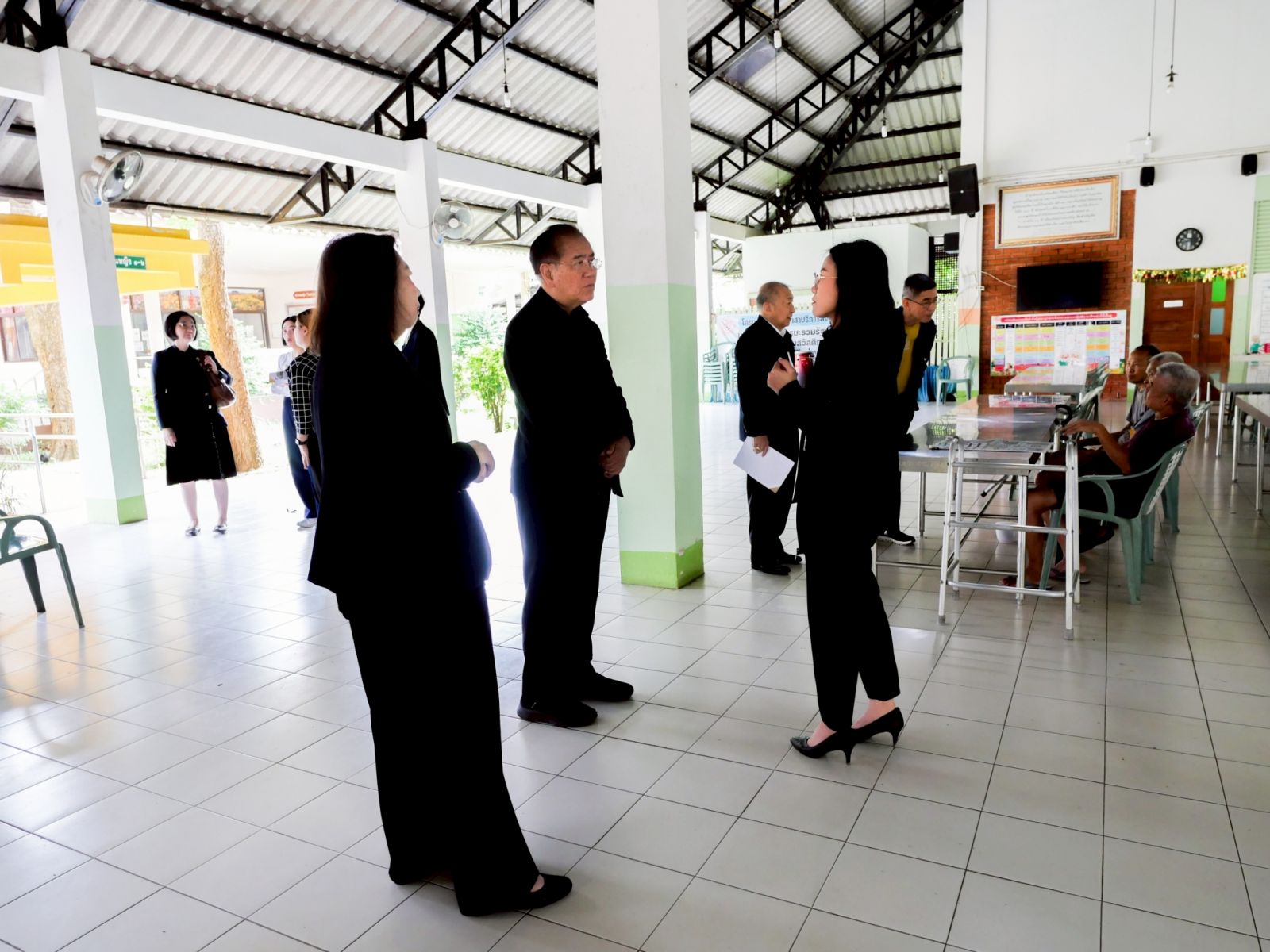
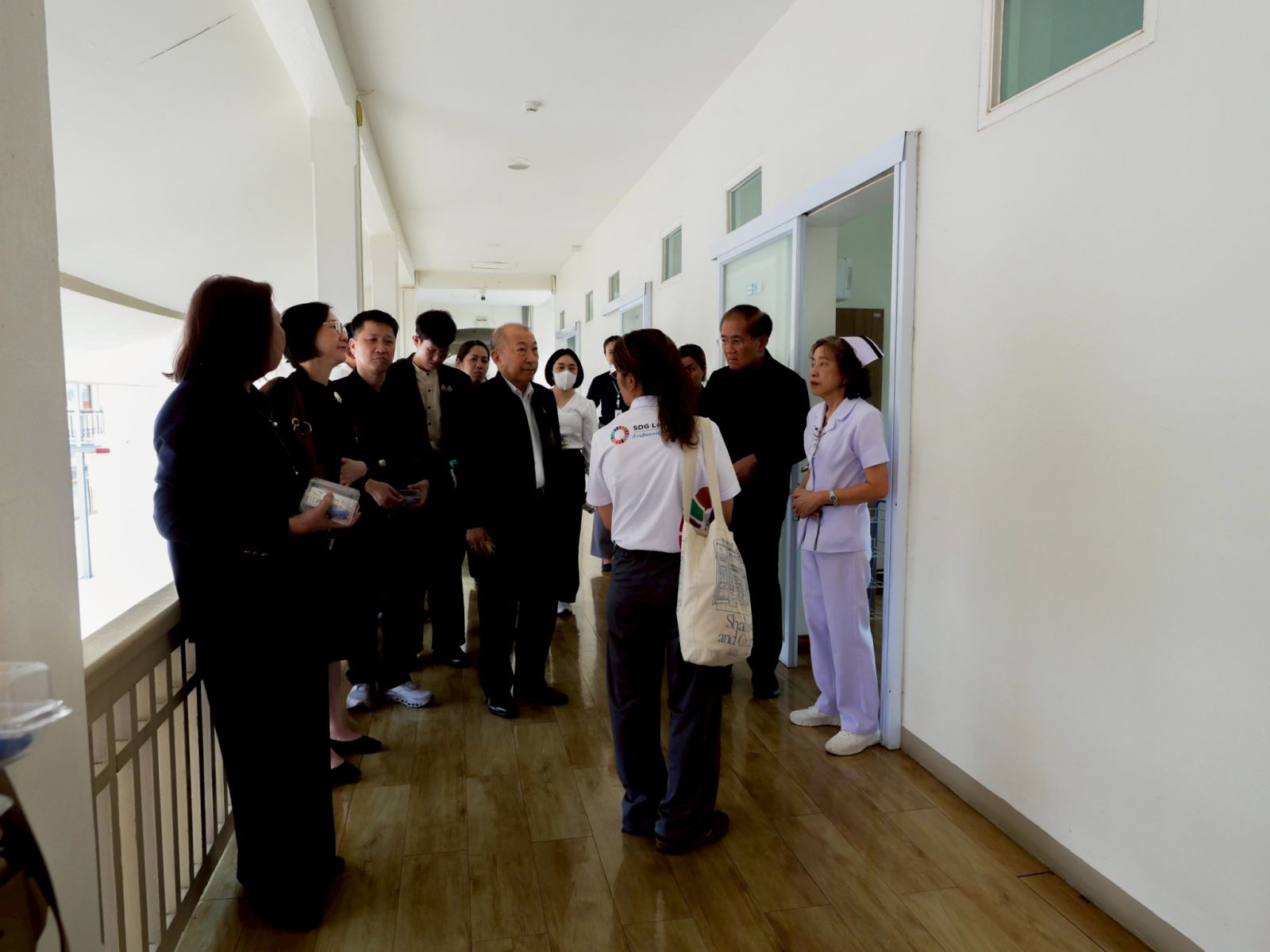
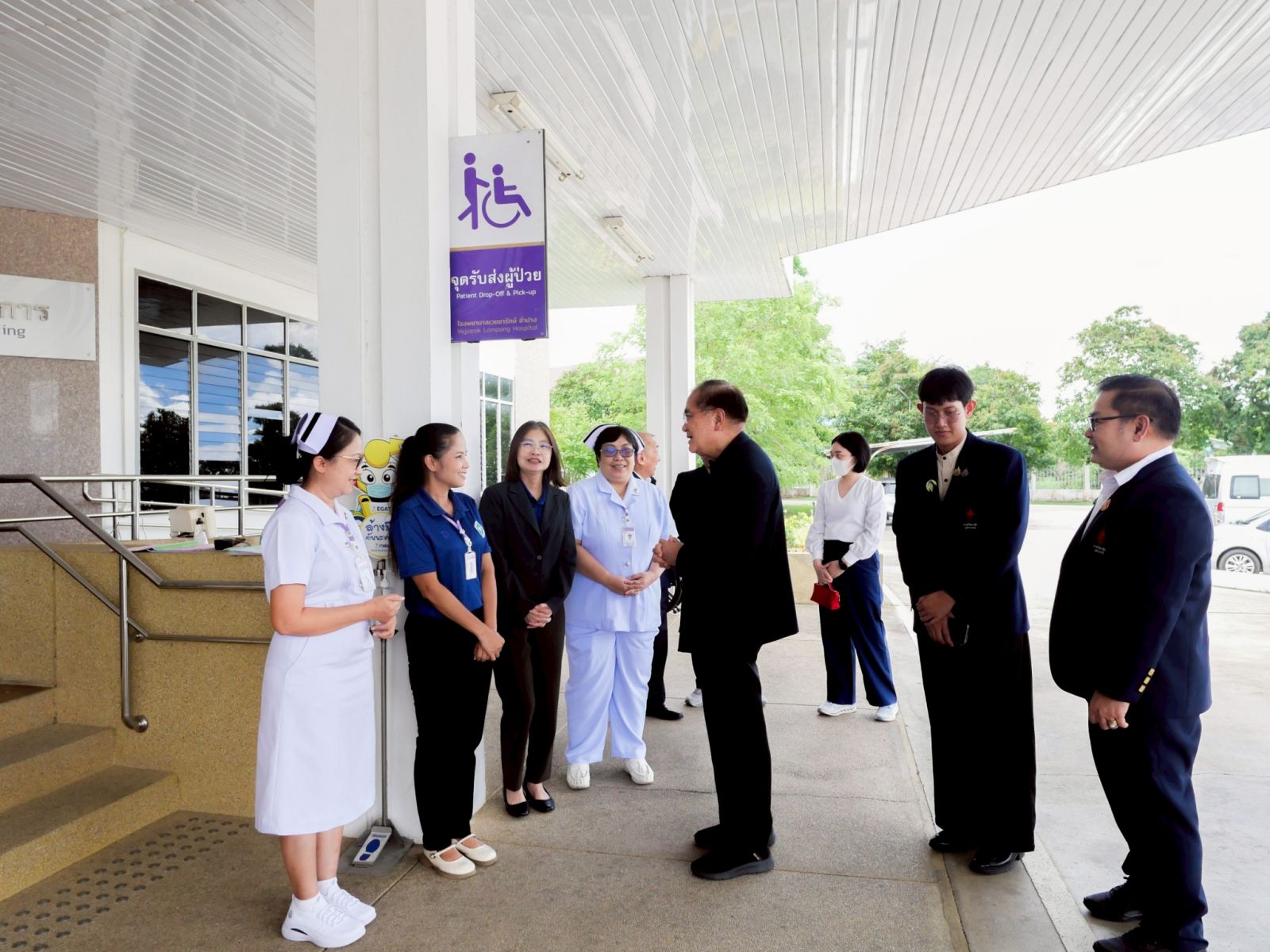
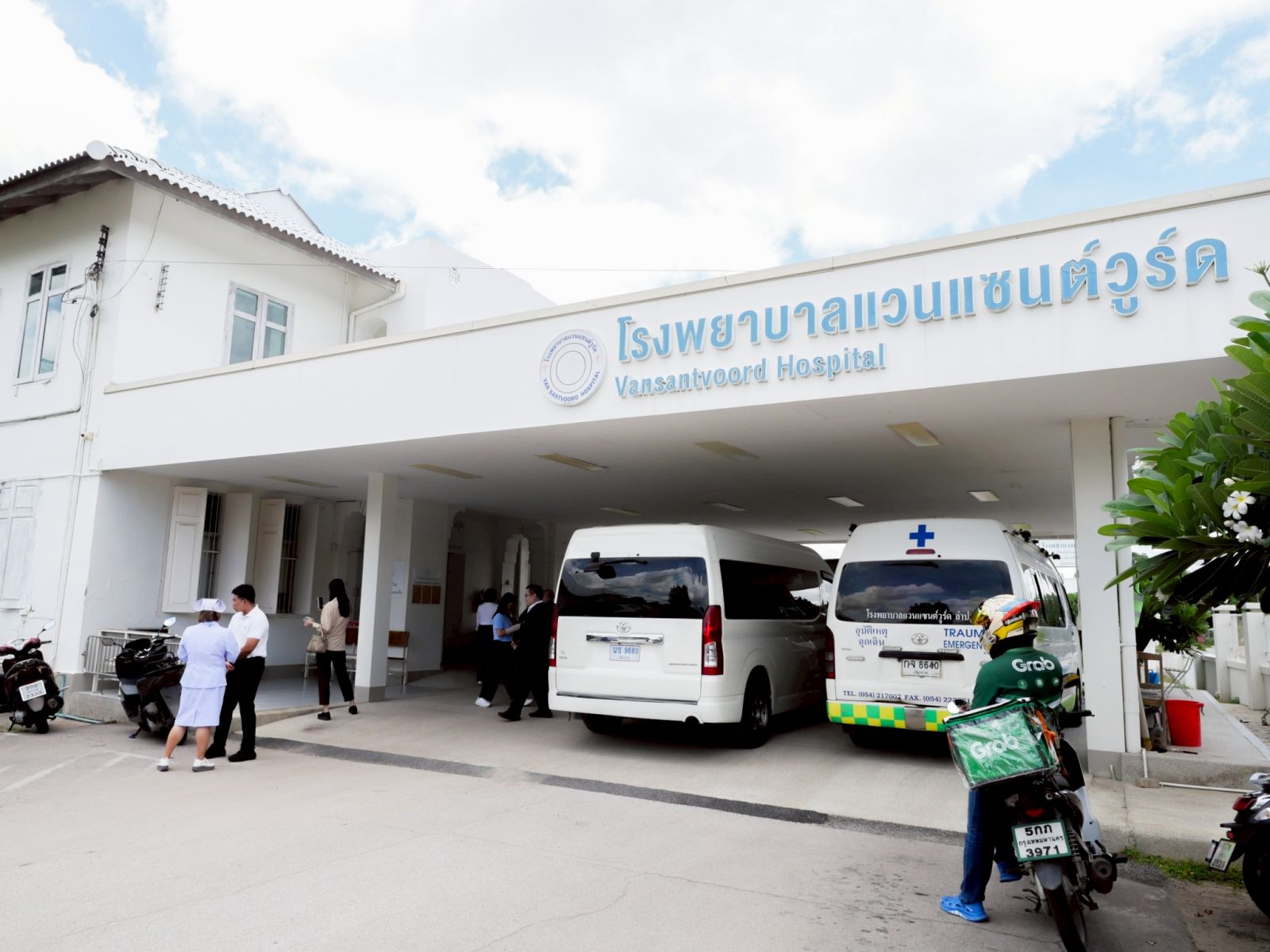
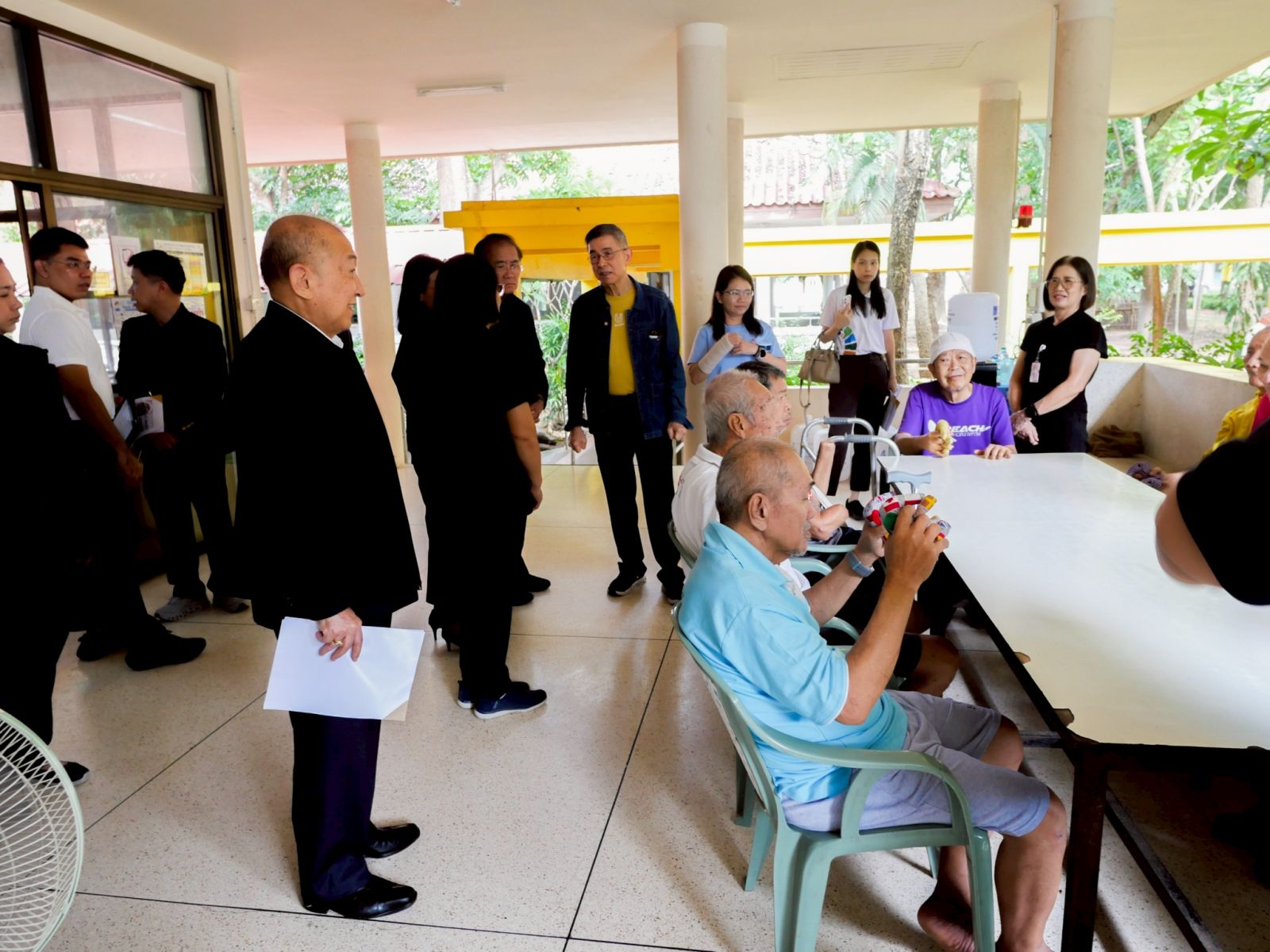
On this occasion, the CRA executives visited and received progress reports from representatives of four practical training facilities, which include the Lampang Home for the Aged, Lampang Cancer Hospital, Van Santvoord Hospital Lampang, and Vejjaraklampang Hospital Lampang. These facilities serve as clinical training venues for students enrolled in the 420-hour Certificate Program for Caregivers (CG). The curriculum is specifically designed to require every student to rotate through all four facilities to acquire comprehensive caregiving skills across all dimensions of health as follows:
- The Dimension of Social Welfare and Environment at Lampang Home for the Aged Highlight: Trainees learn about protection systems, basic welfare provision, safe environmental design, and the organization of recreational activities aimed at improving the quality of life for senior citizens and vulnerable groups at the community level.
- The Dimension of Specialized Care for Complex Diseases at Lampang Cancer Hospital Highlight: Trainees develop advanced skills in caring for patients with complex medical conditions, particularly cancer patients and those in palliative care. The training focuses heavily on pain management, psychological care, and adherence to high-security safety standards within a specialized medical facility.
- The Dimension of General Nursing and Eldercare within the Public Health System in the Aging Society Era at Van Santvoord Hospital Lampang Highlight: Trainees learn fundamental nursing processes, the care of elderly patients with chronic underlying diseases, and clinical practices in general hospital settings that integrate attentive care with precise academic standards.
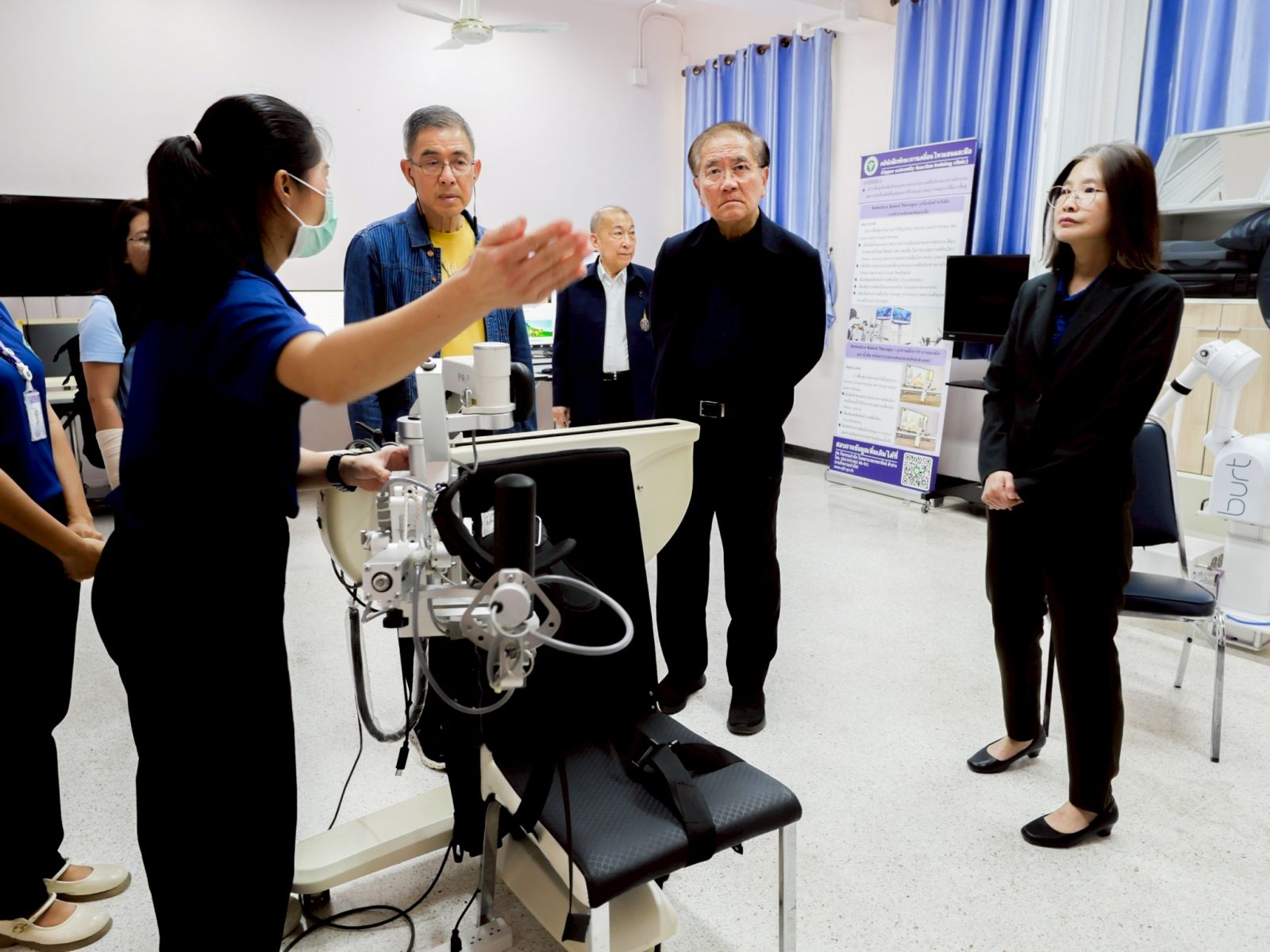
- The Dimension of Rehabilitation and Physical Therapy at Vejjaraklampang Hospital Lampang Highlight: Trainees engage in practical work involving sports science, physical therapy, and occupational therapy to restore the physical capabilities of elderly individuals and dependent patients, empowering them to regain self-reliance and achieve maximum independence in daily living.
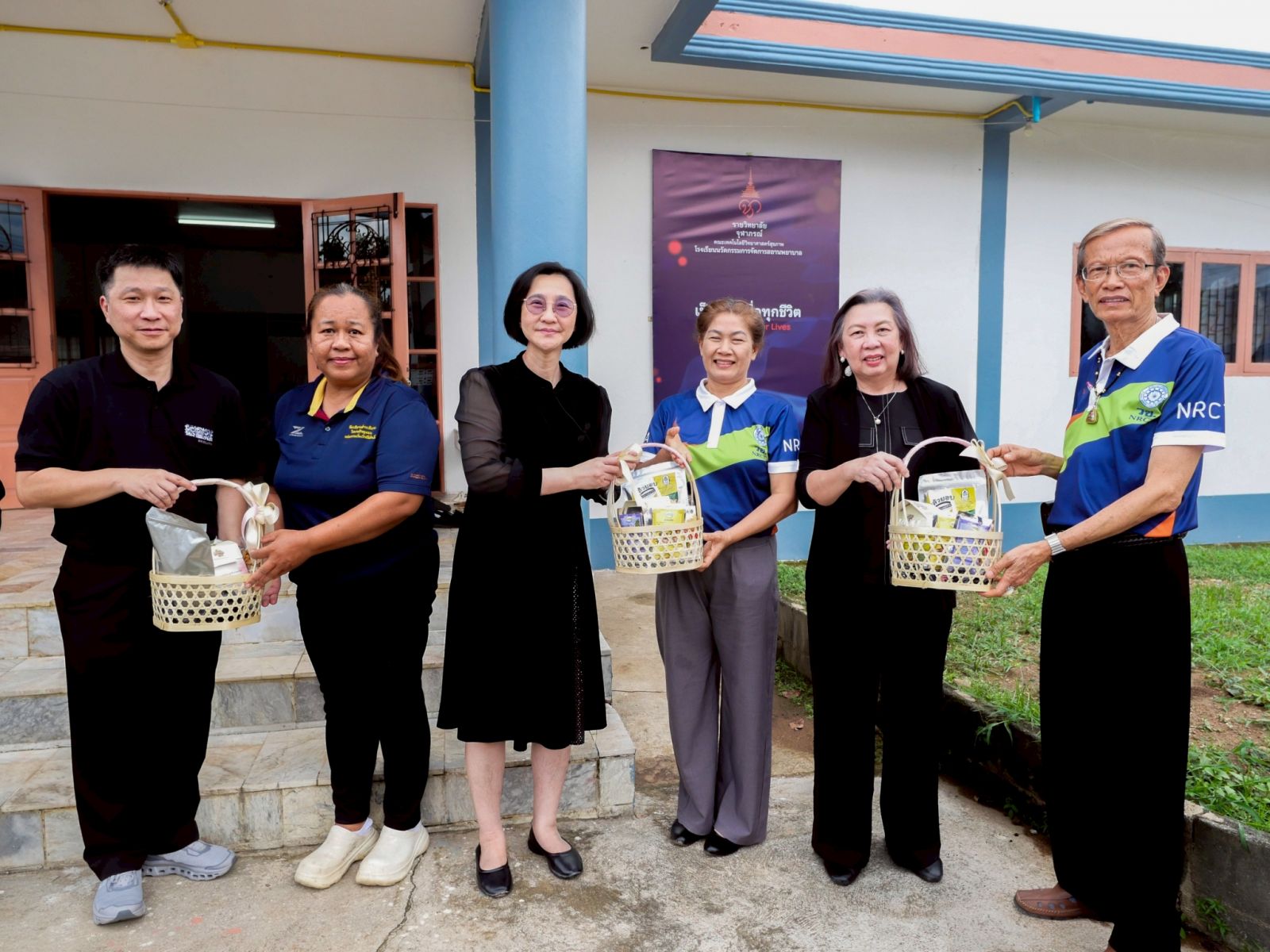
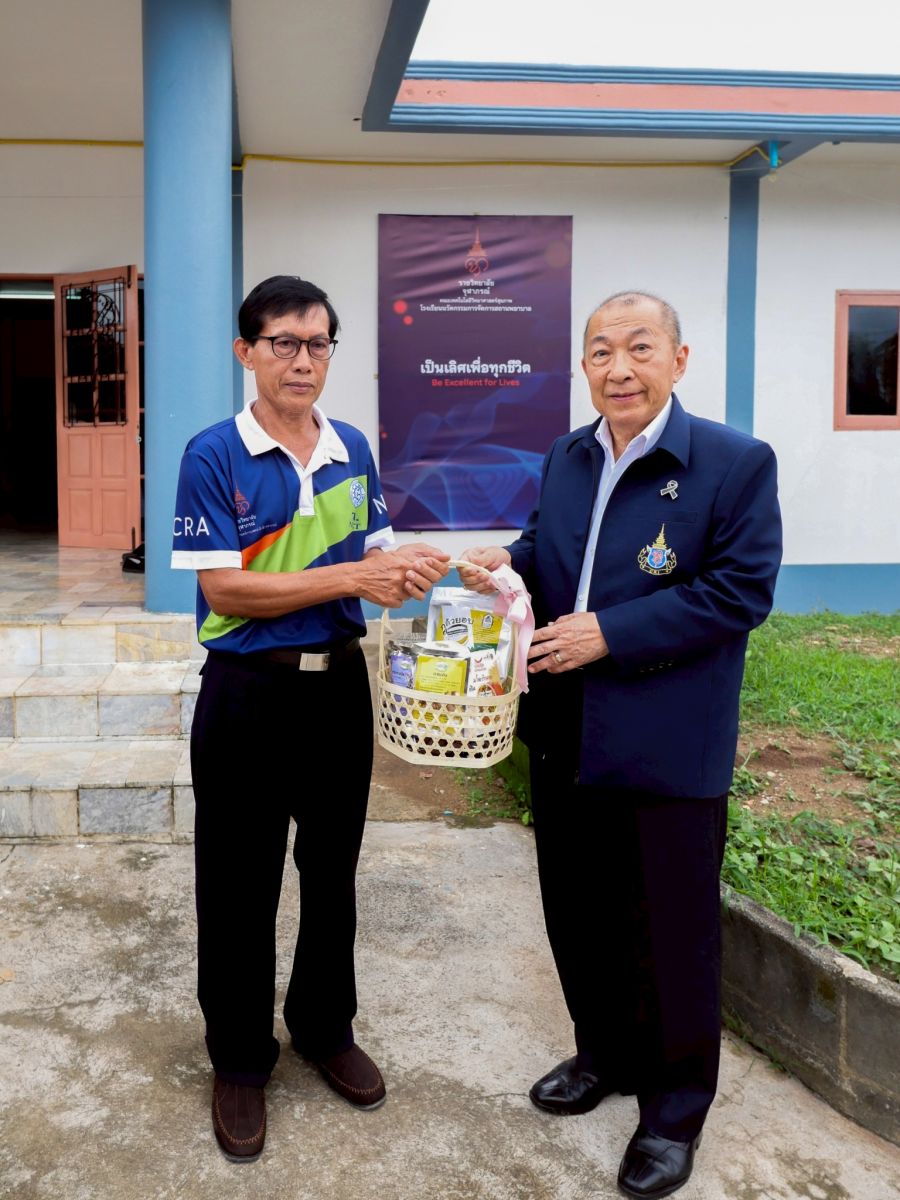
Following the facility inspections, the CRA executives attended the opening ceremony of the capacity-building training for the elderly care and health promotion network, under the event title "Kick off Active Aging Lampang: Synergizing the Active Aging Network to Create a Quality and Sustainable Aging Society." This initiative is a collaborative effort between the Public Health Project (Fiscal Year 2026) of the Lampang Provincial Administrative Organization (PAO) and the scaling-up research project titled "The Development of Elderly Care Systems by Civil Society into Community Power Development to Sustainably Elevate the Quality of Life for Thai Elders," implemented by the Faculty of Health Science Technology, Chulabhorn Royal Academy, and funded by the National Research Council of Thailand (NRCT).
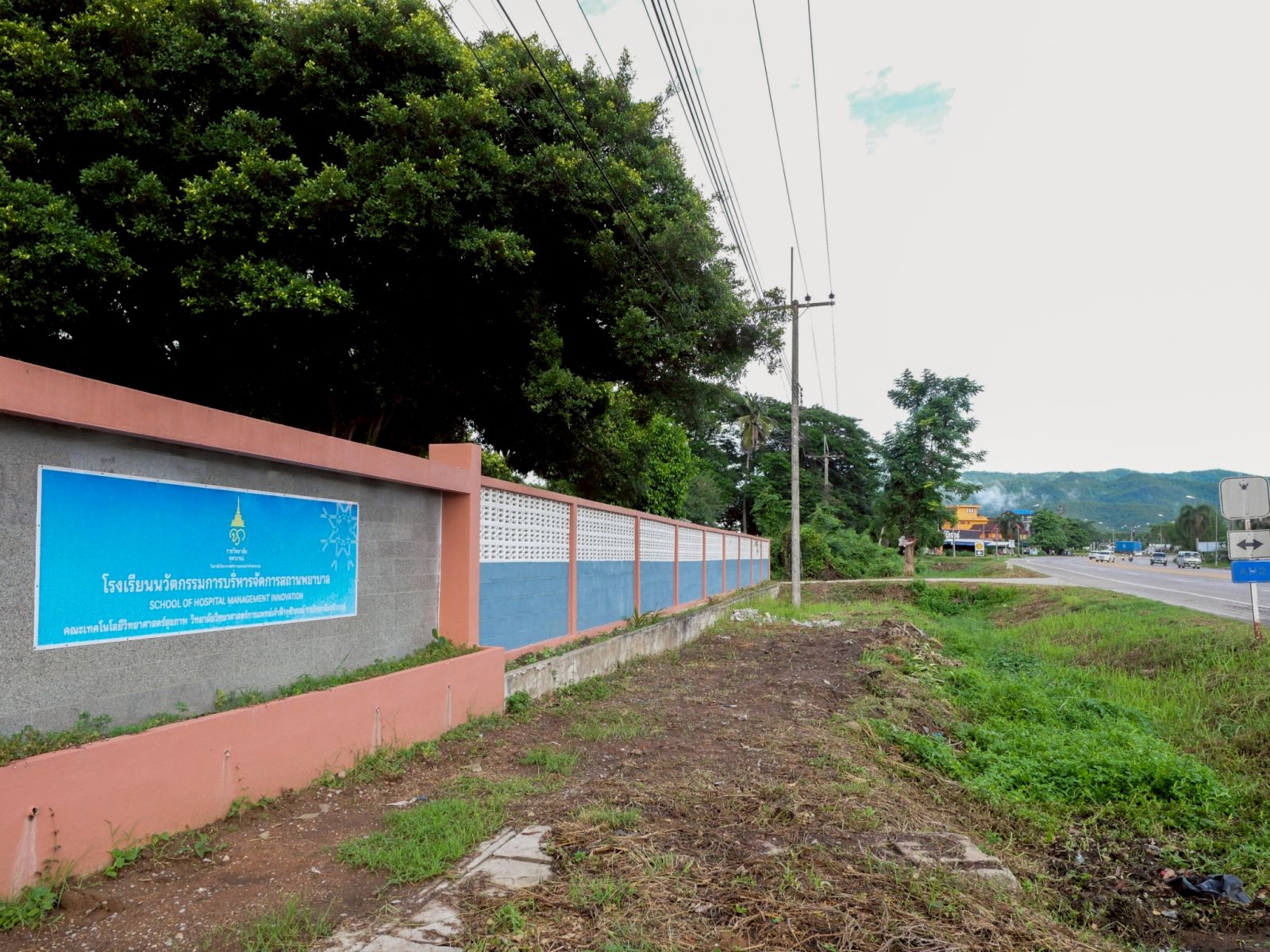
On this auspicious occasion, Professor Emeritus Rajata Rajatanavin, M.D., delivered an opening address and gave guidance to the project participants. Subsequently, the research team presented "Directions for Driving a Sustainable Aging Society through the Application of the Active Aging Index (AAI) for Quality of Life Development," outlining how the index can be utilized as a tool to assess and plan potential development for the elderly in Lampang Province—ensuring good health, active social participation, and life security. Afterward, the executive committee visited the campus of the School of Hospital Management Innovation, Faculty of Health Science Technology, Chulabhorn Royal Academy, located in Thoen District, Lampang Province, to listen to an operational summary presented by Acting Sub-Lieutenant Udom Suwankhim, Ph.D., Director of the School of Hospital Management Innovation. The committee highly commended the learning and research models in Lampang for seamlessly connecting the academic, public health, and local administrative sectors to sustainably integrate community-based elderly care systems.

The outstanding and unique hallmark of the elderly and dependent care training programs by the School of Healthcare Management Innovation, Faculty of Health Science Technology, Chulabhorn Royal Academy, lies in its comprehensive, end-to-end integration of knowledge through three high-performance standard curriculums certified by the Department of Health Service Support (HSS). These consist of the 420-hour Certificate Program for Caregivers (CG) to develop highly skilled care workers through real-world clinical training in healthcare facilities; the 130-hour Care Manager Program to produce coordinators who manage and integrate community healthcare systems; and the 91-hour Community Enterprise Development Program for Eldercare to nurture organizational leaders and modern social entrepreneurs. Designing these curriculums across all three dimensions—practitioners, system managers, and organizational leaders—in tandem with utilizing social innovation mechanisms and technologies in model areas, does not only sustainably elevate the health and quality of life for aging individuals within their home communities. It also serves as a vital cog in creating stable careers, driving the grassroots economy, and strengthening civil society to tangibly and sustainably support the transition into a world-class aging society.