 Home
Home


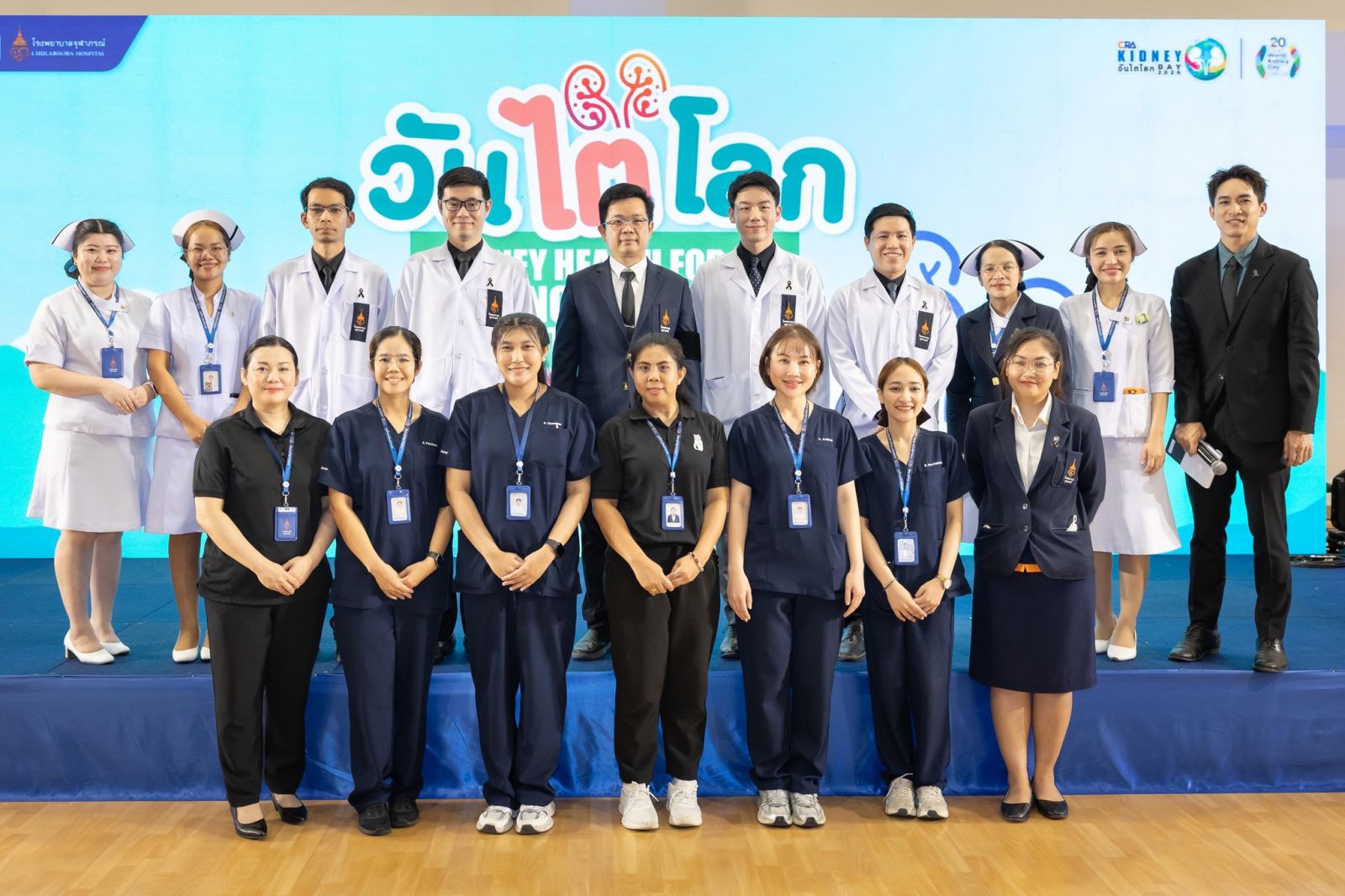
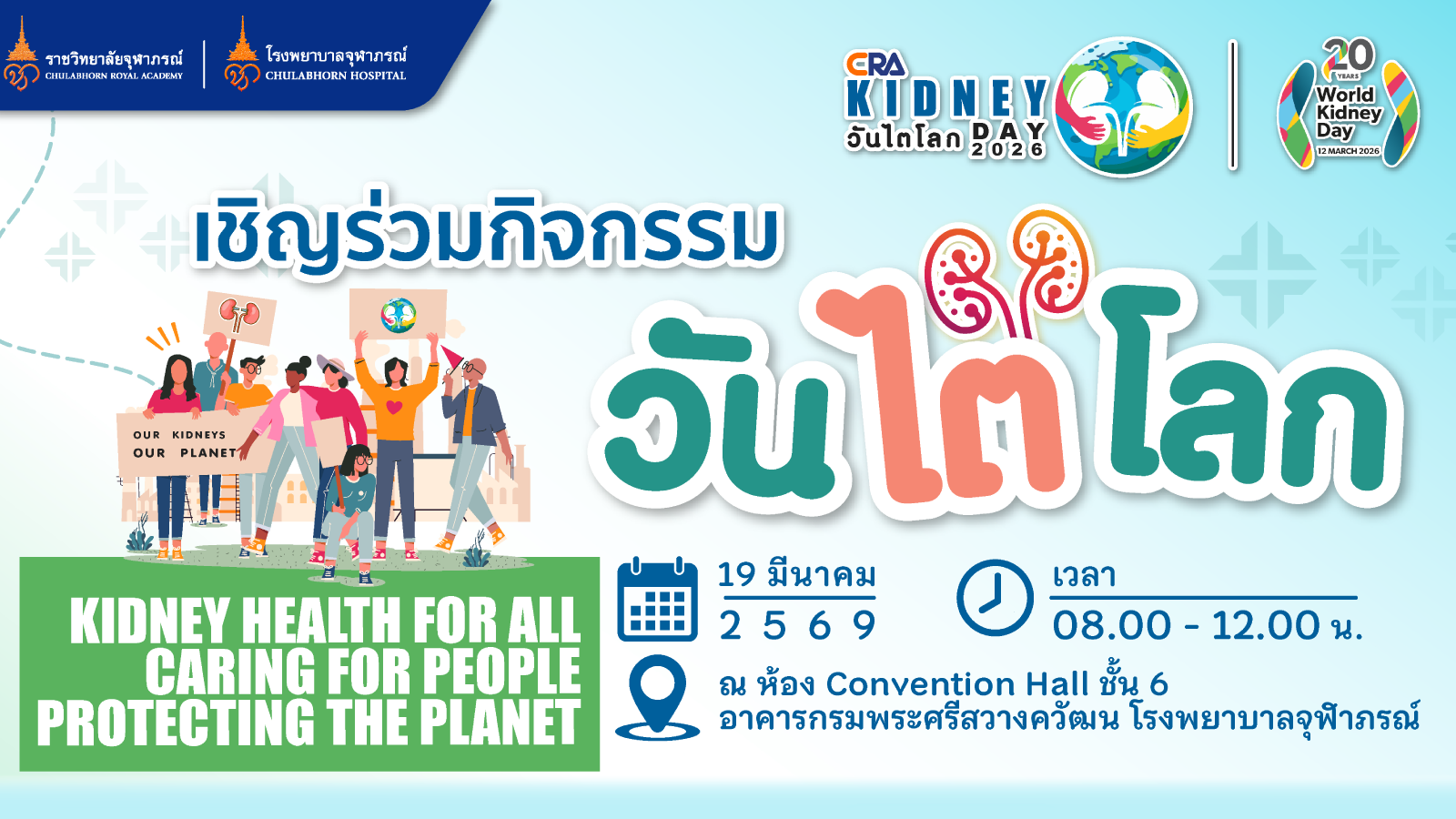
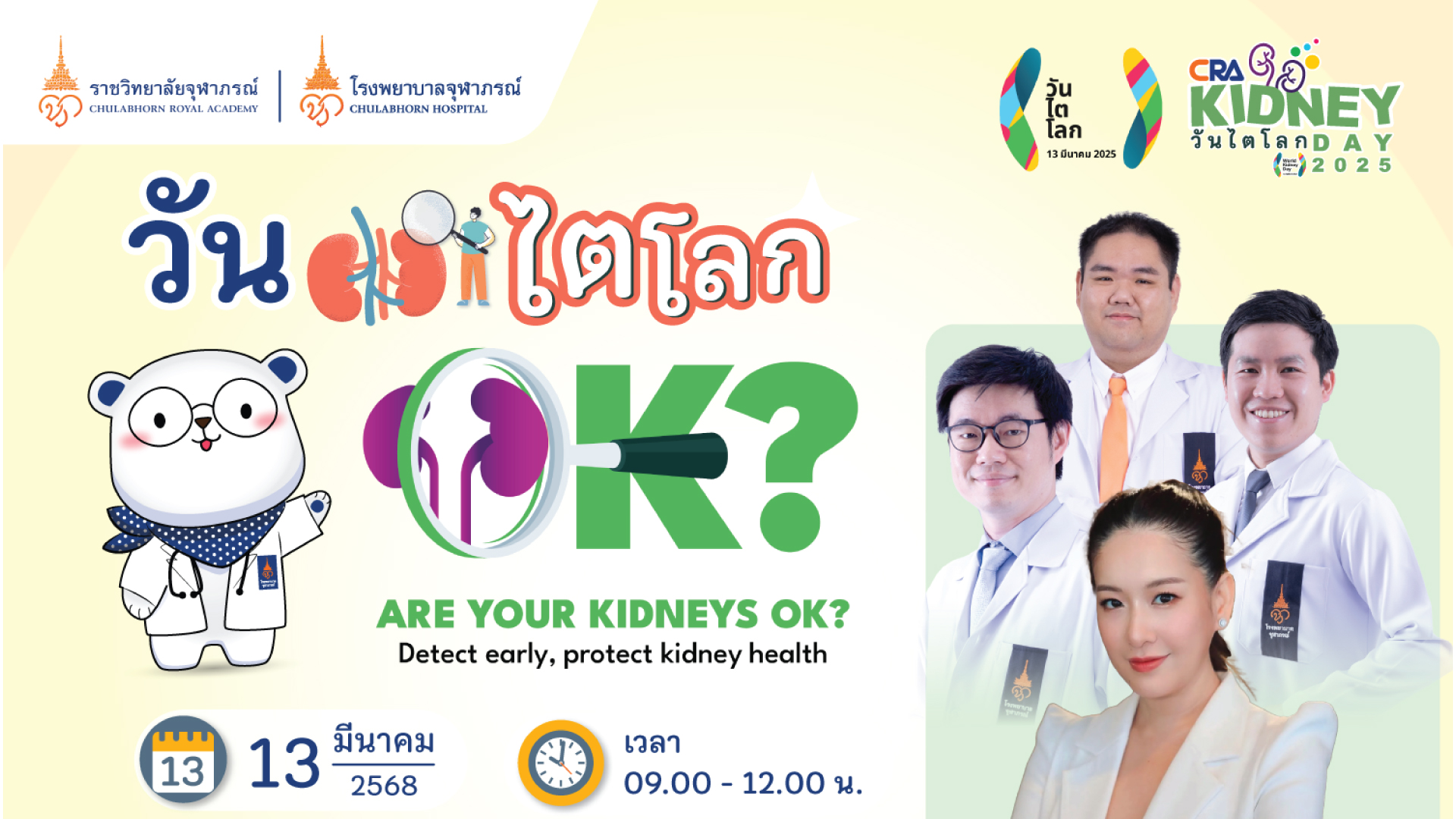
Chulabhorn Hospital, Chulabhorn Royal Academy, Hosts World Kidney Day 2026 Event: "Healthy Kidneys Start with Daily Habits"

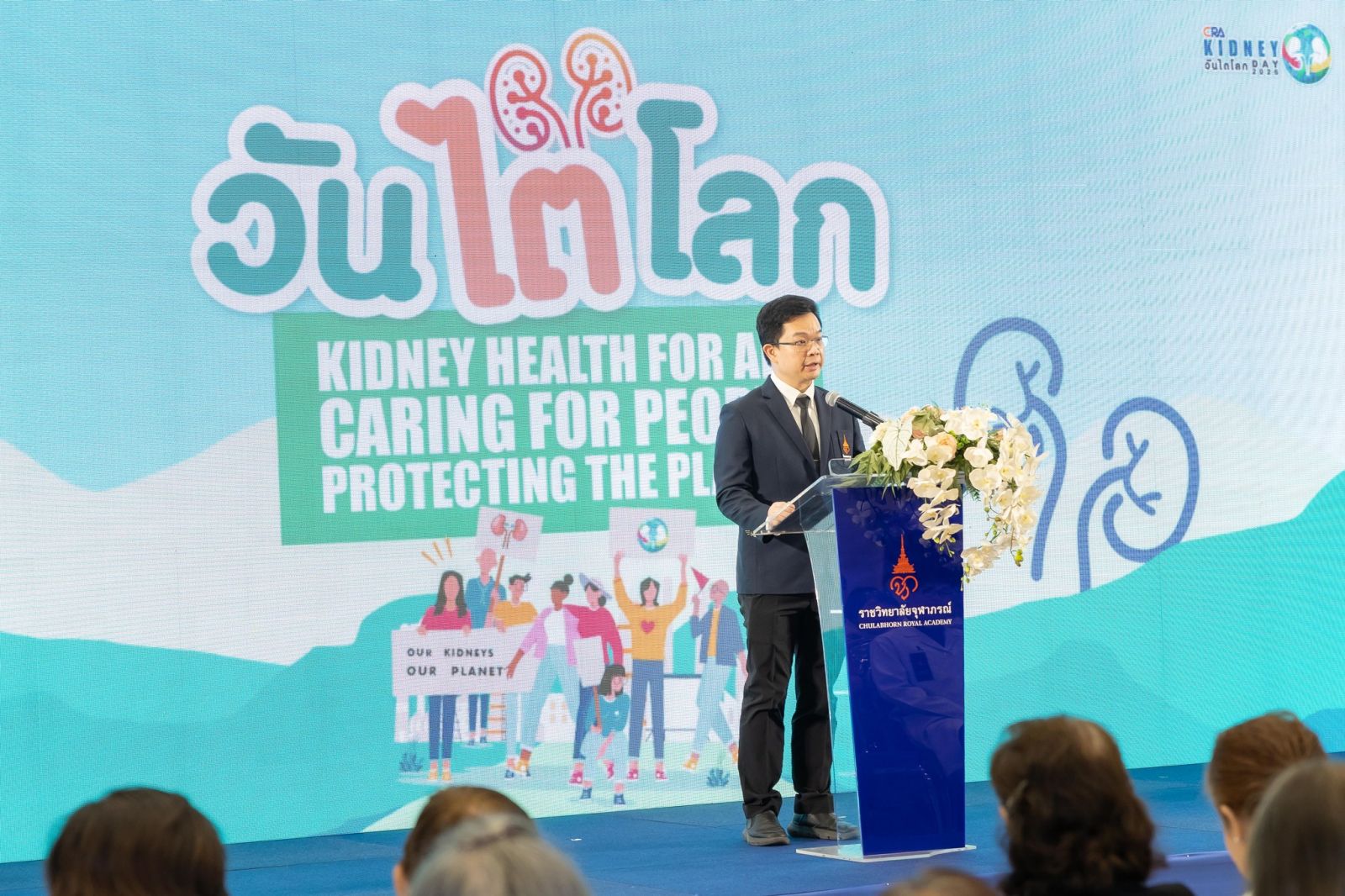
BANGKOK (March 19, 2026) – Chulabhorn Hospital, Chulabhorn Royal Academy, organized a public awareness campaign for “World Kidney Day 2026” under the theme “Kidney Health for All: Caring for People, Protecting the Planet.” The event aimed to educate the public on chronic kidney disease (CKD) prevention, featuring health forums led by specialists and a multidisciplinary team of experts. The activities were held at the Convention Hall, Krom Phra Srisavangavadhana Building, Chulabhorn Hospital, Laksi, Bangkok.
Adisorn Boonyapiban M.D., Assistant Director of Chulabhorn Hospital, presided over the opening ceremony, stating: “Chronic kidney disease is currently a major global and national public health crisis. We are seeing a continuous rise in patients, particularly those with end-stage renal disease who require renal replacement therapy. This significantly impacts the quality of life and creates a heavy financial burden for families. Chulabhorn Hospital recognizes this urgency and has organized this World Kidney Day event to promote preventive healthcare and lifestyle modifications. This initiative also honors the royal aspiration of Professor Dr. Her Royal Highness Princess Chulabhorn Krom Phra Srisavangavadhana, the Founder and President of the Chulabhorn Royal Academy, who established this hospital to ensure all citizens have equal access to excellent healthcare.”
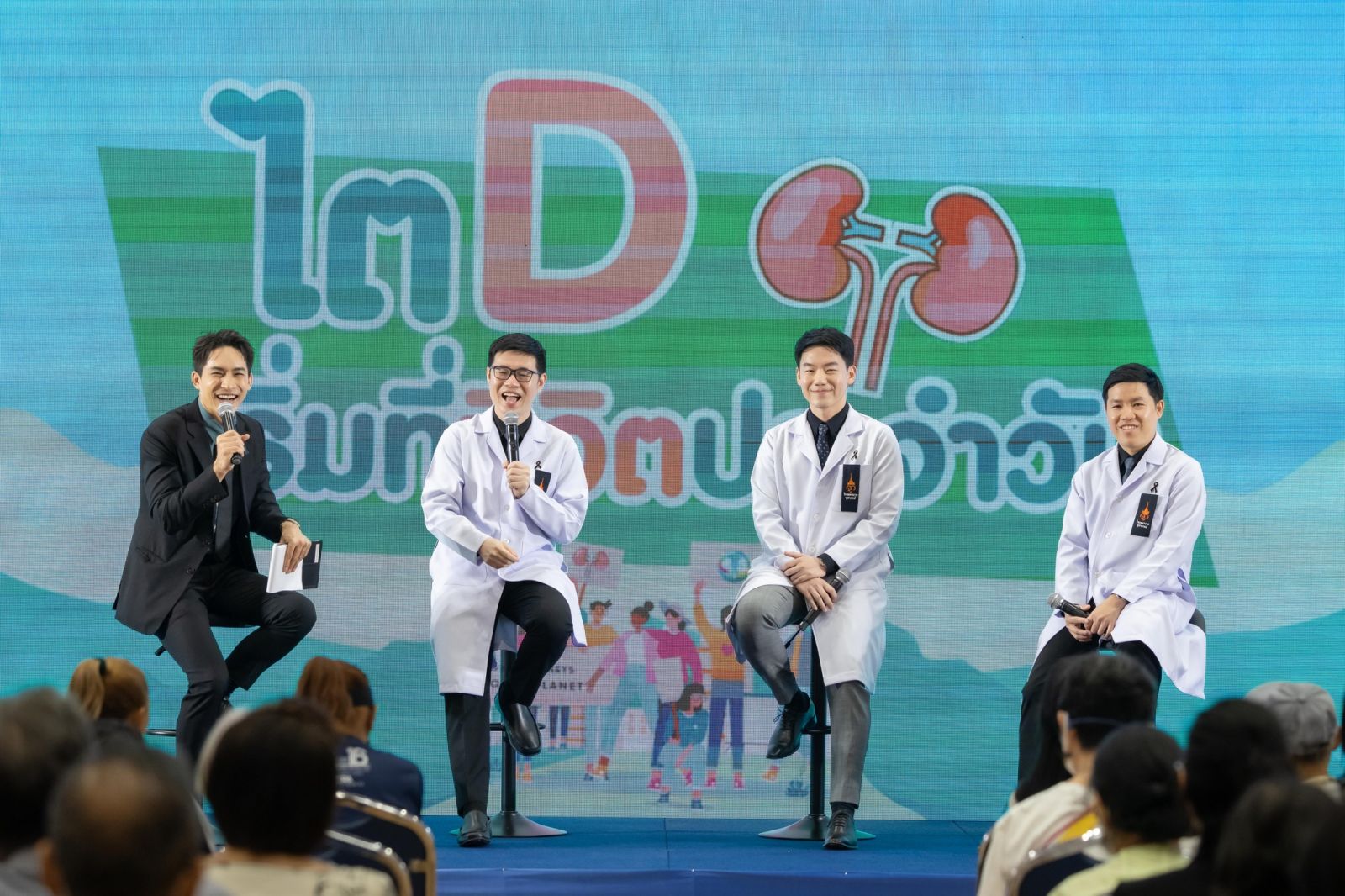
The event featured a medical forum titled “Healthy Kidneys Start with Daily Habits,” where nephrologists from Chulabhorn Hospital shared critical insights into the “Silent Killer” nature of kidney disease, which often shows no symptoms in its early stages. Supanut Worawichchawong M.D., provided key medical insights:
- • The Body’s Filtration System: The kidneys act as the body’s water filter, processing 200 liters of blood daily to regulate blood pressure and produce hormones for red blood cell production. Once Chronic Kidney Disease develops—defined as decreased kidney function for more than three months—it cannot be cured; treatment can only slow its progression.
- • Diagnostic Criteria: The public should monitor their eGFR (Estimated Glomerular Filtration Rate). A value below 60 for over three months indicates Chronic Kidney Disease. Three essential screenings are recommended: Blood tests (Creatinine & eGFR), urine tests to detect "Proteinuria" (an early warning sign of damage), and blood pressure/sugar monitoring, as diabetes and hypertension are the primary causes of kidney failure.
- Warning Signs: While early stages are asymptomatic, physical signs such as swelling (edema) in the shins, ankles, or around the eyes in the morning, foamy urine, fatigue, pallor, or nausea (due to waste buildup) warrant immediate medical attention.

.jpg)








Wuttipong Treewattana M.D. identified high-risk groups, including those with diabetes, hypertension, a family history of kidney disease, or long-term use of NSAIDs (painkillers). For end-stage patients, he outlined four renal replacement therapies: 1. Kidney Transplantation (the most effective method), 2. Hemodialysis, 3. Peritoneal Dialysis, and 4. Palliative Care.
Piyaphan Prapanwattana M.D. emphasized the dangers of “Self-Determined Treatment” and neglecting annual check-ups. He warned that waiting for symptoms like shortness of breath often means the disease is already at an advanced stage. Furthermore, inconsistent medication use (such as taking blood pressure medicine only when having a headache) or consuming unverified herbal supplements and "miracle" boosters can cause acute kidney inflammation and rapid deterioration.
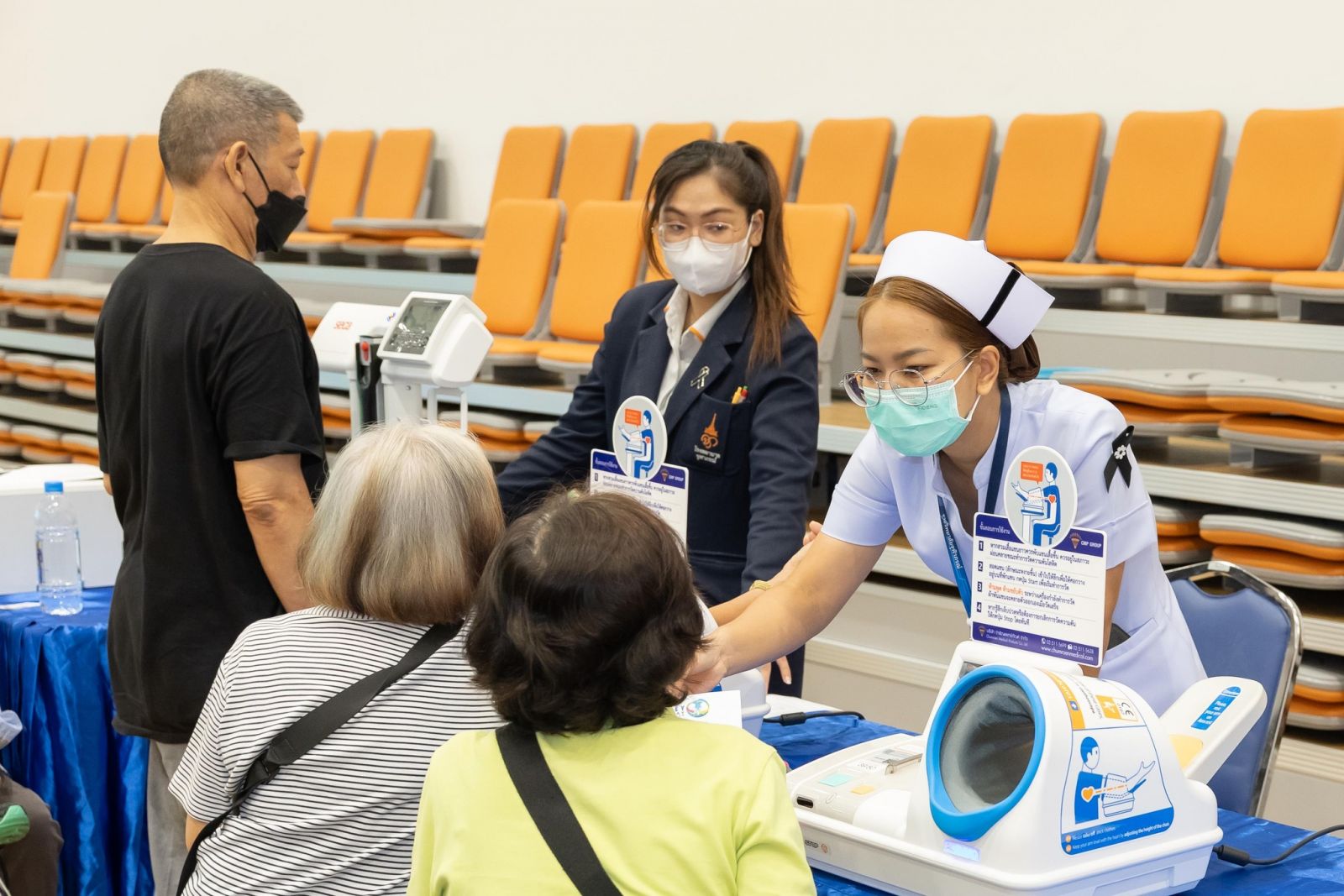
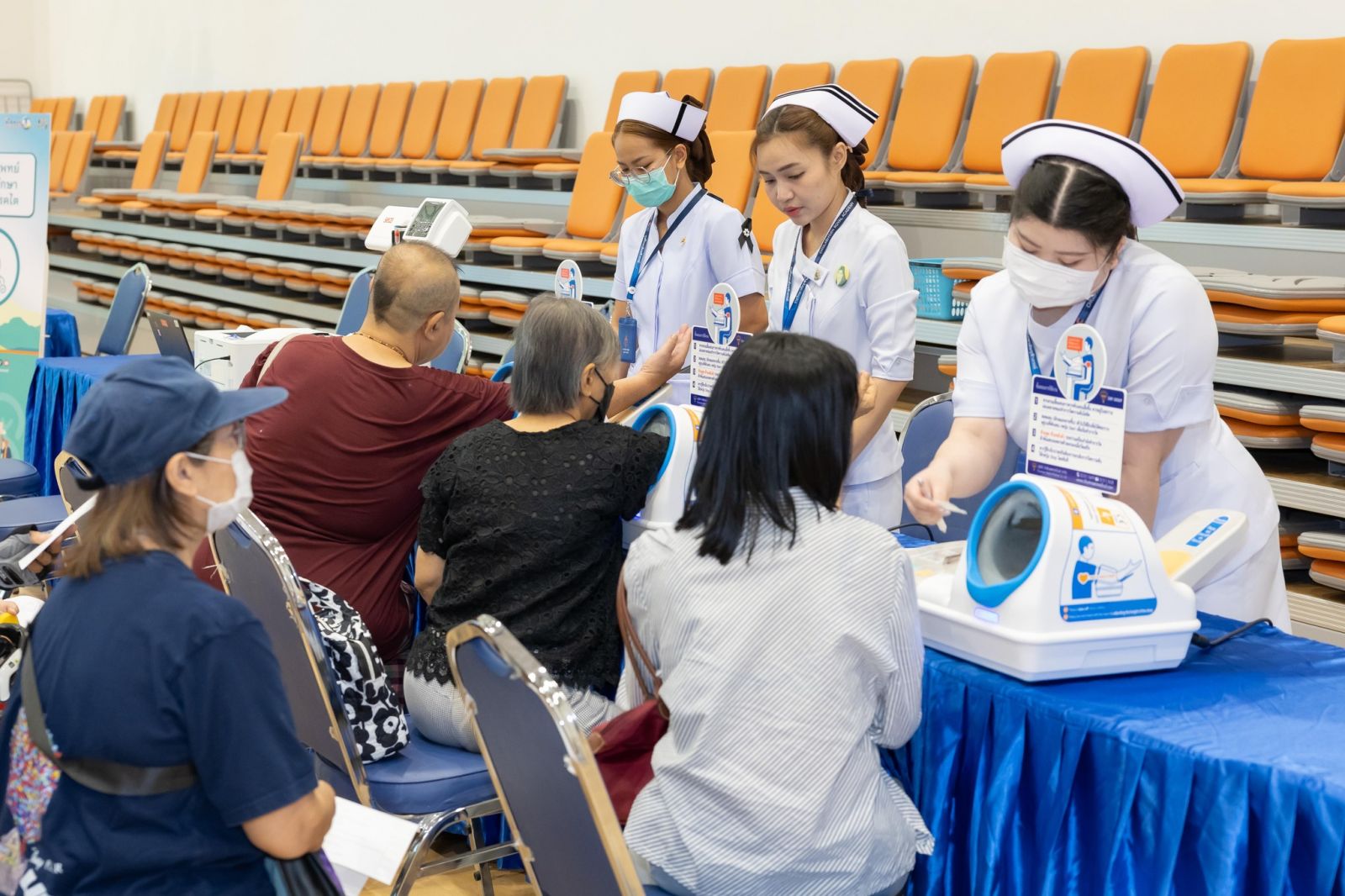
In addition to medical talks, the event featured a “Kidney-Friendly & Planet-Friendly Kitchen” session by professional dieticians and a “Move for Life” exercise demonstration by sports scientists. Free health screenings were provided, including urine protein tests, blood pressure checks, body composition analysis, and specialist consultations. A dedicated Organ Donation Booth by the Organ and Tissue Transplant Center encouraged the public to “Give the Gift of Life” to end-stage patients awaiting transplants. These activities reflect Chulabhorn Hospital’s commitment to “Comprehensive Healthcare,” spanning from prevention to advanced treatment, to ensure a sustainable and healthy future for Thai society.
Kidney Center, Chulabhorn Hospital provides comprehensive care using state-of-the-art medical technology. Our multidisciplinary team—including nephrologists, dieticians, pharmacists, and specialized nurses—offers personalized assessments and lifestyle counseling to delay kidney deterioration and prevent complications. Services include pre-replacement therapy clinics, hemodialysis, peritoneal dialysis, and kidney transplantation.
For more information and health updates: Facebook & LINE Official Account: @chulabhornhospital and Application: CHULABHORN HEALTH+ Available on App Store and Google Play