 Home
Home


A Major Leap for Thai Space Innovation! Chulabhorn Royal Academy Launches Thai-Made "Lab-on-a-Chip" for Frontier Research in Space via "TIGERS-X" Research Robot
Live Experiments Commenced on the International Space Station (ISS), Scaling Down Large Laboratories into Business-Card-Sized Chips to Meet NASA and ESA International Standards, While Unveiling Thailand’s First Mission Control Room for Direct Space-to-Earth Data Links
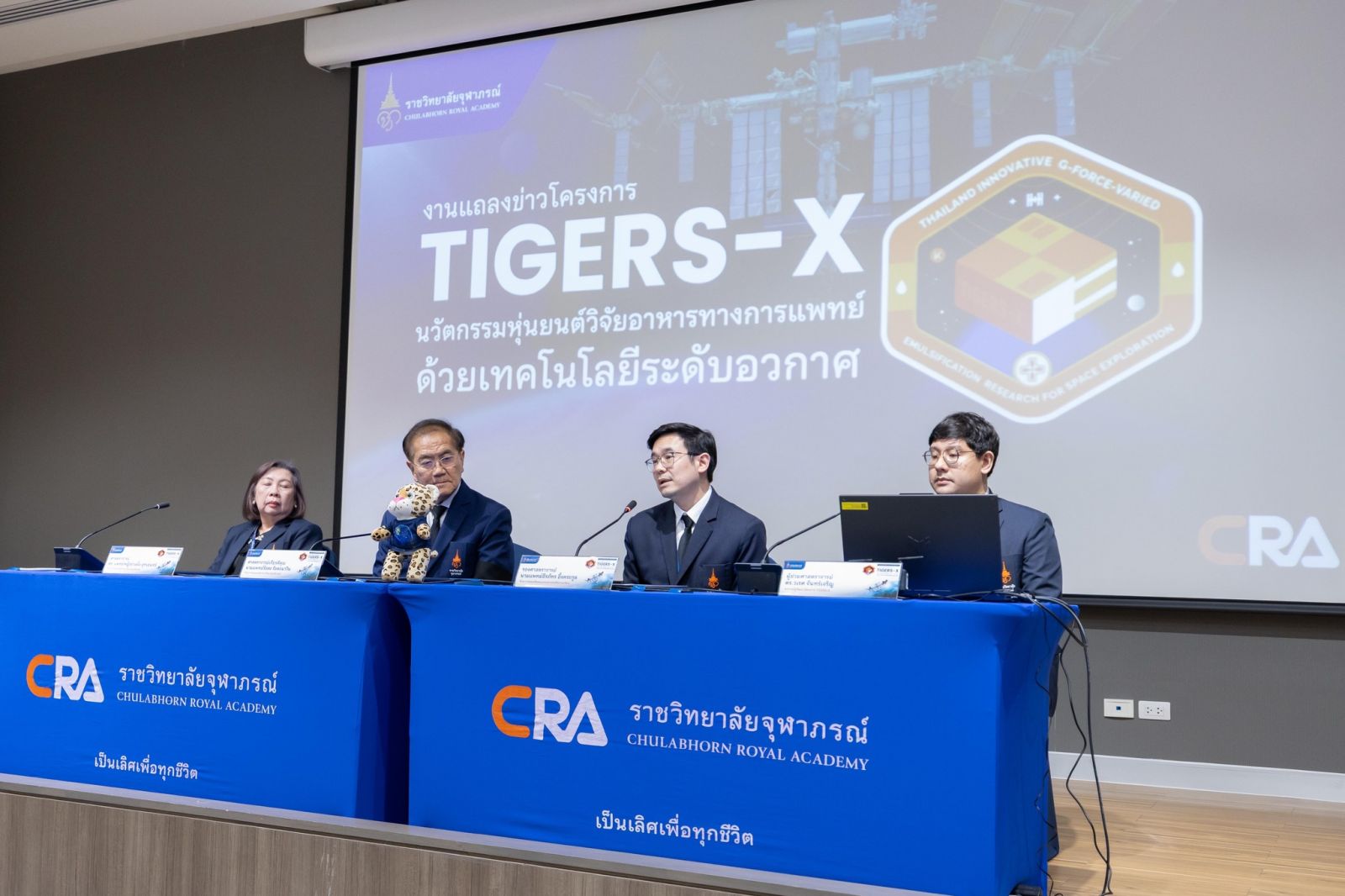
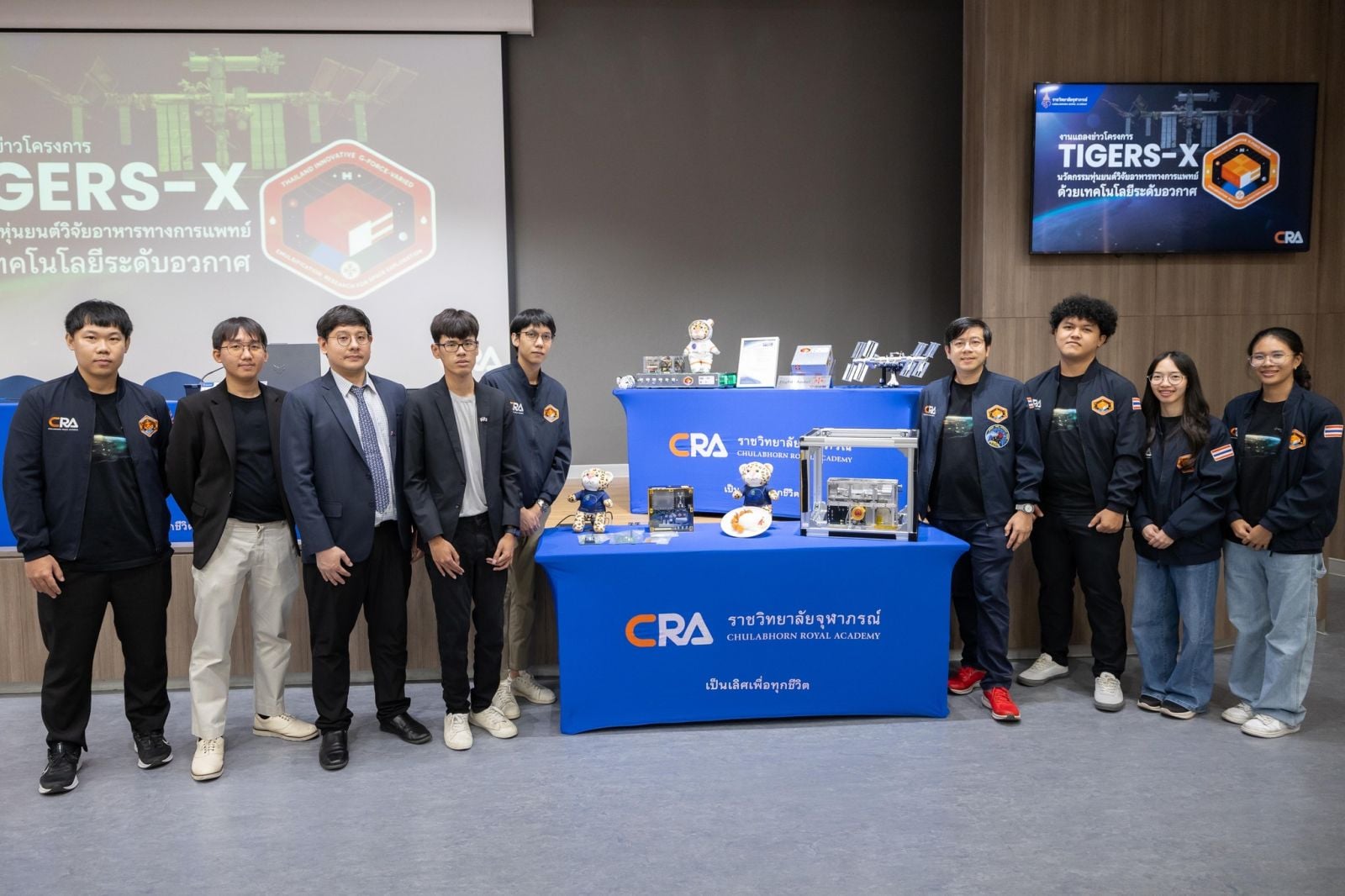
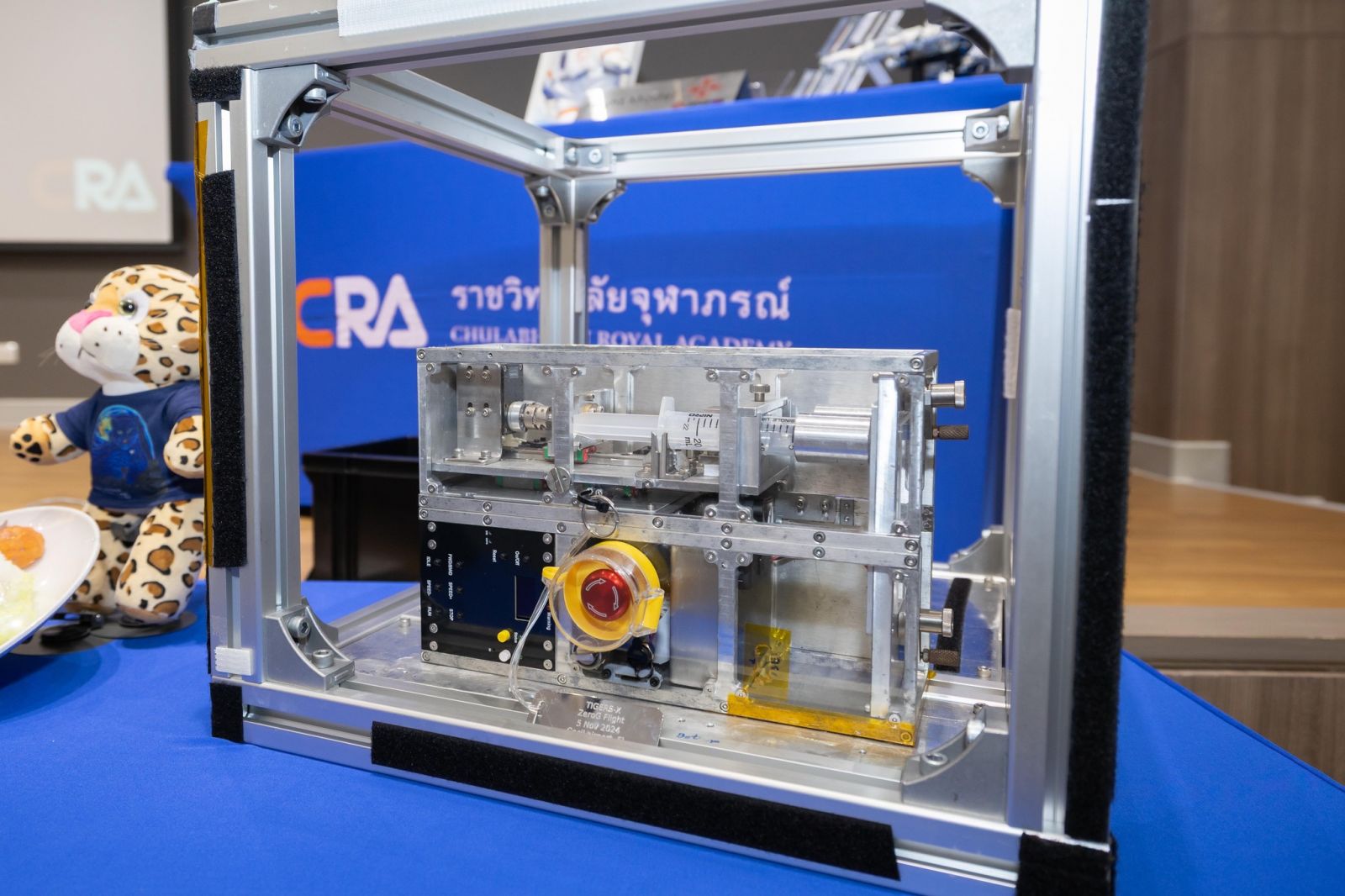
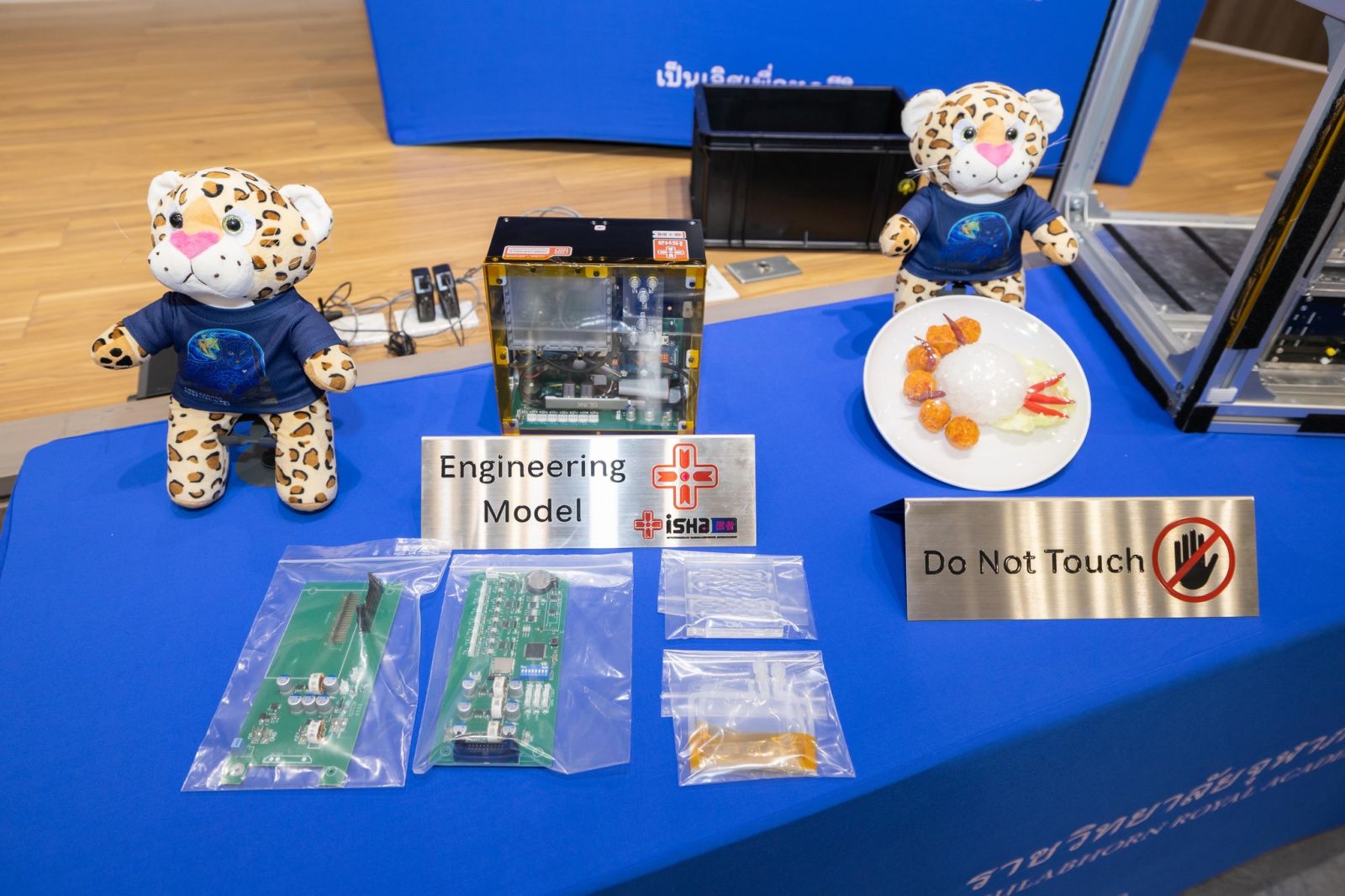
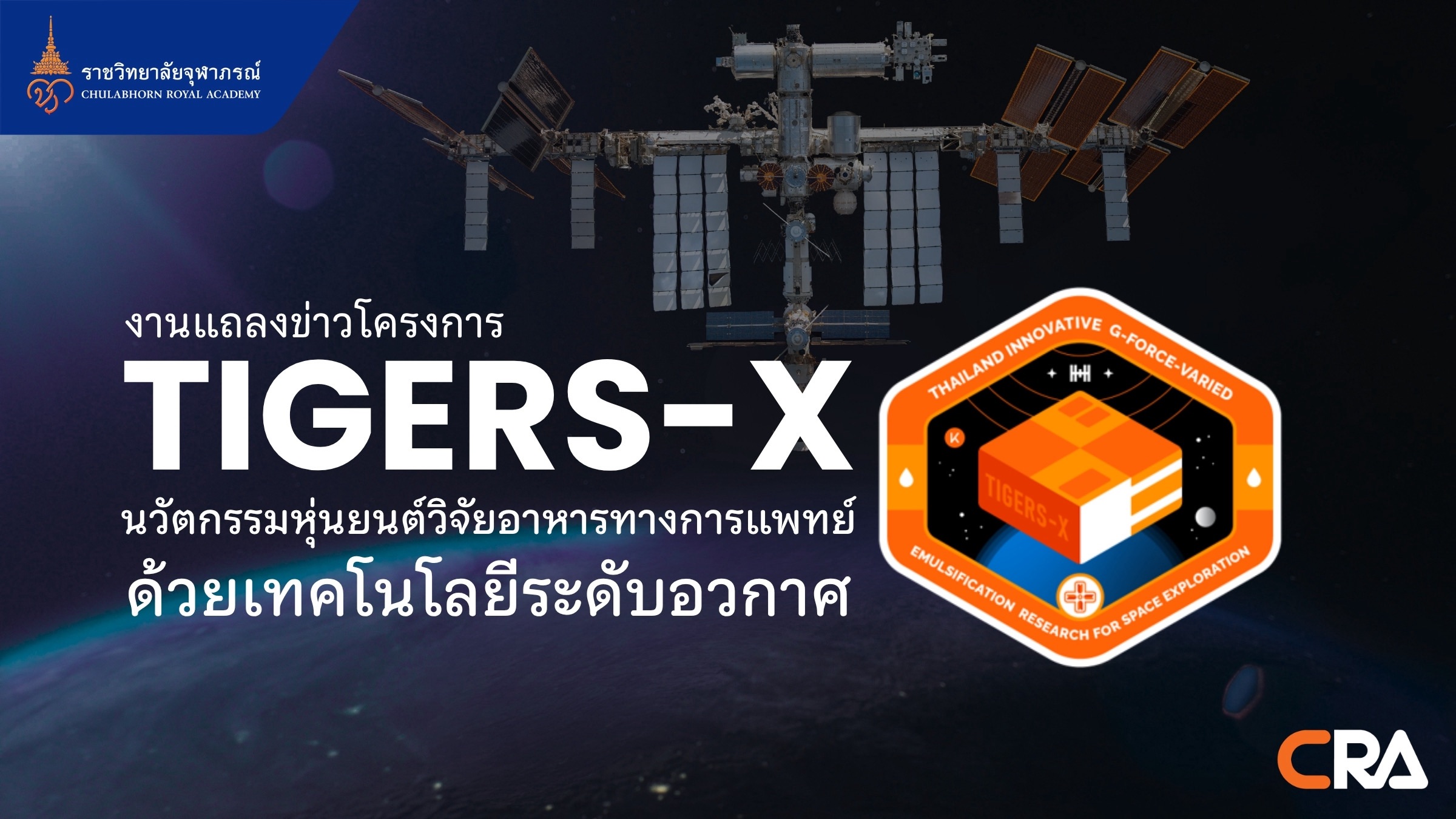
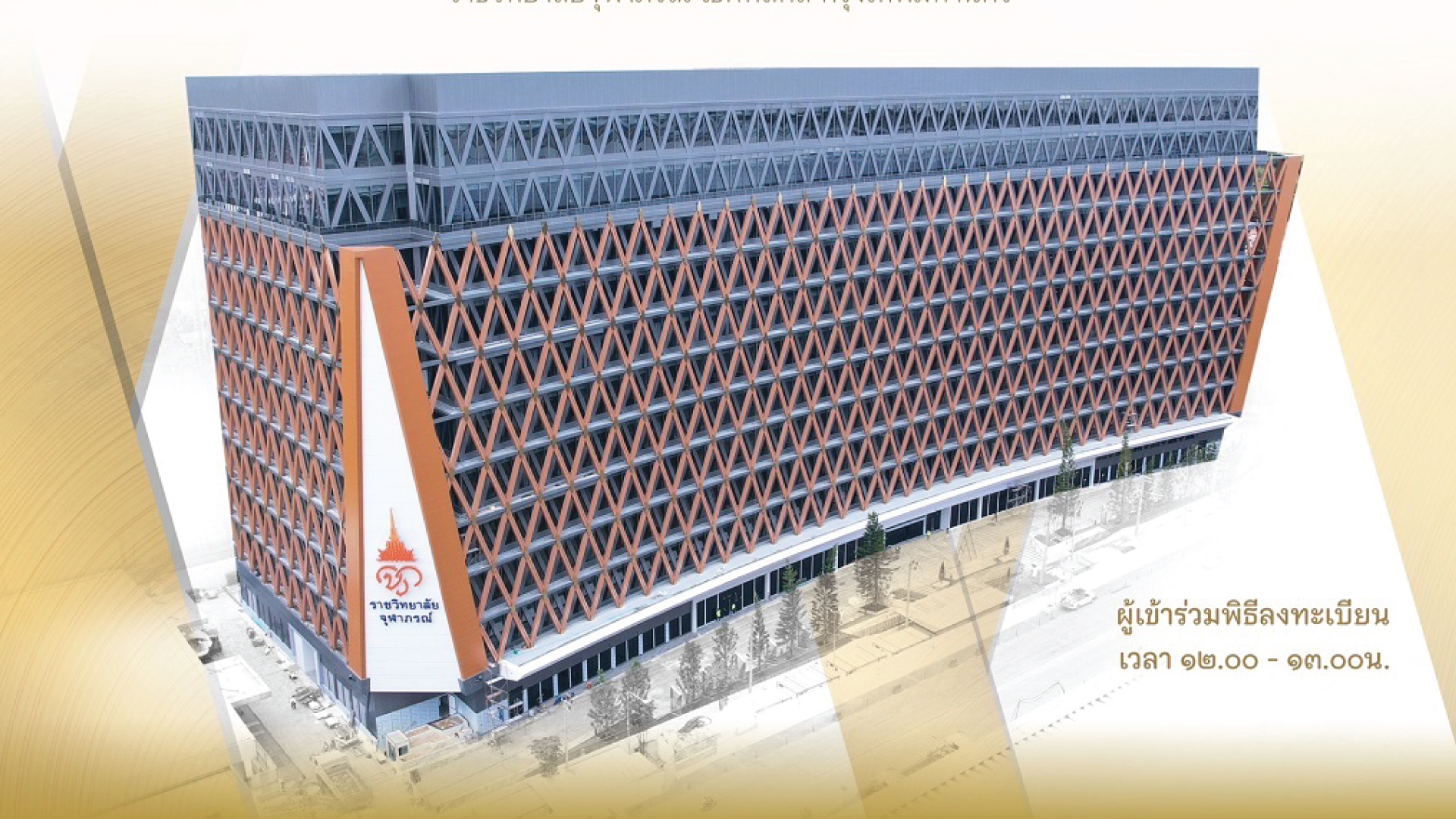
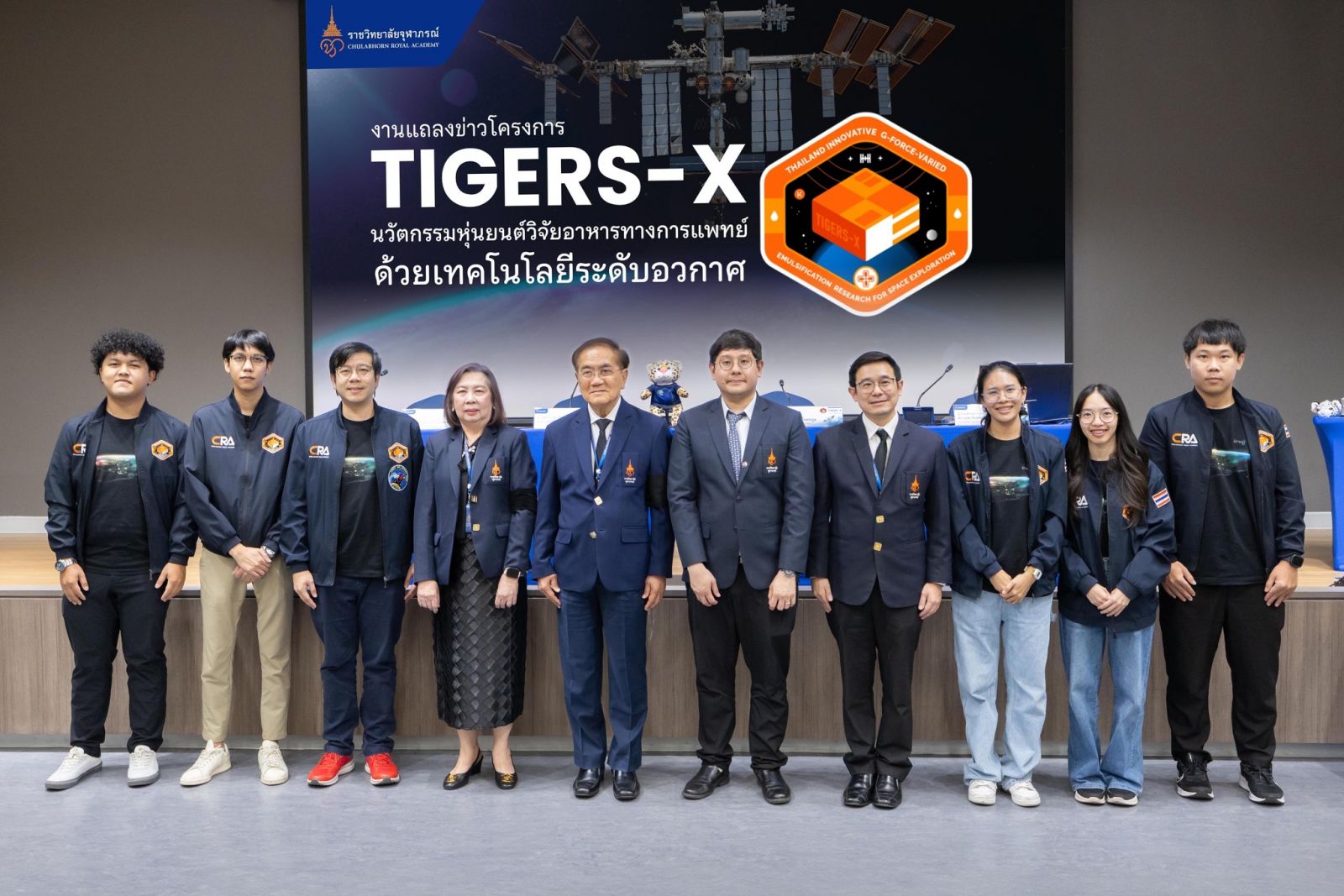
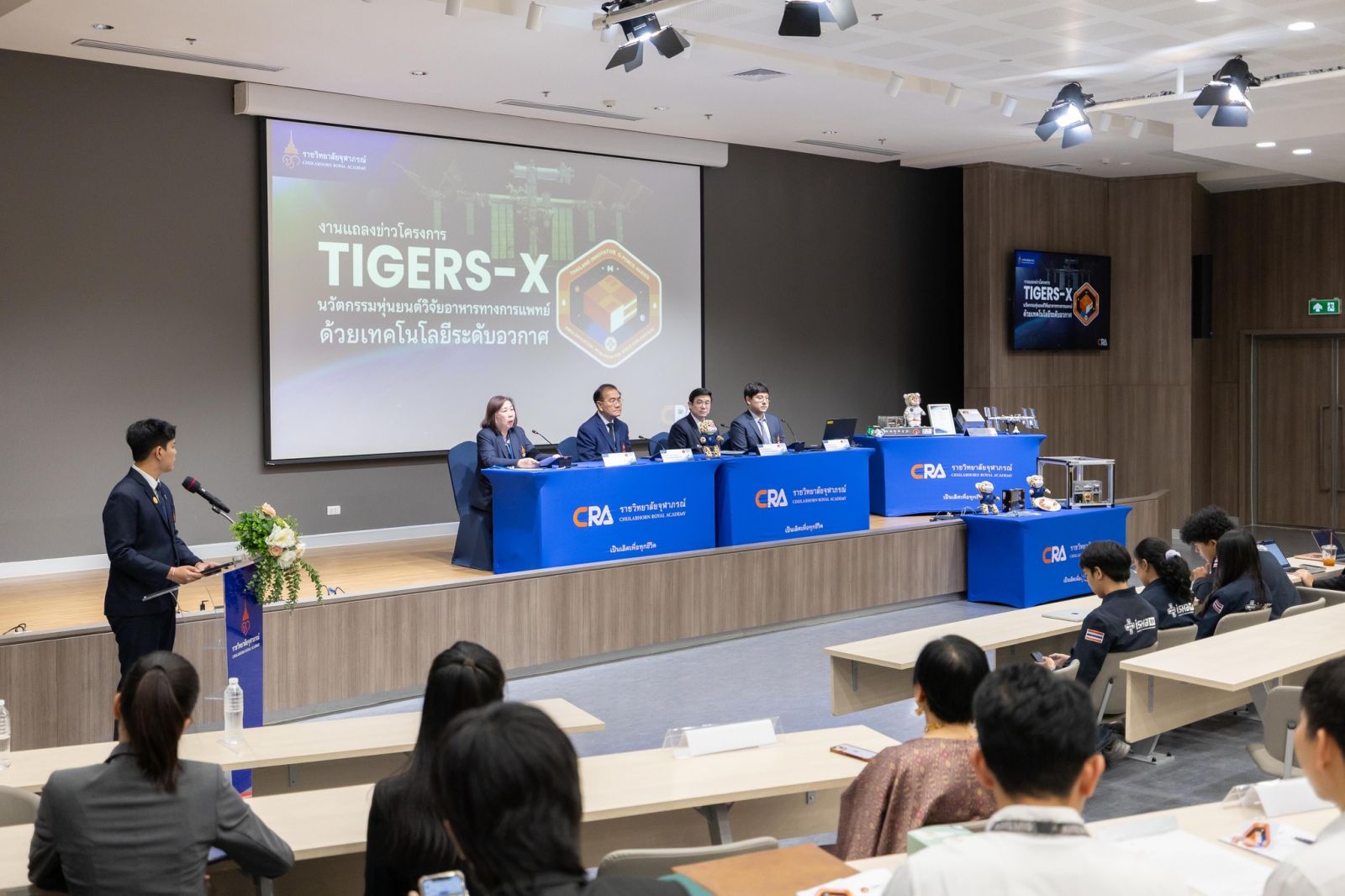
BANGKOK (May 27, 2026) – Chulabhorn Royal Academy (CRA) hosted a historic press conference to launch the “TIGERS-X” (Thailand Innovative G-force varied Emulsification Research for Space exploration) project, also known as the "Medical Food Research Robot Innovation using Space Technology." Held at the Princess Srisavangavadhana Faculty of Medicine, Chulabhorn Royal Academy, the event announced the successful deployment of a Thai-developed, cutting-edge scientific experiment payload to the International Space Station (ISS). This milestone was achieved by shrinking complex medical laboratories into an ultra-compact "Lab-on-a-chip" system—roughly the size of two business cards—and housing it within a laptop-sized payload box. CRA also unveiled Thailand’s first-ever Mission Control Room, establishing a direct real-time data connection from space to Earth. The historic success was co-announced at Lecture Room 3A-301, 3rd Floor of the Princess Srisavangavadhana College of Medicine Building by Emeritus Professor Rajata Rajatanavin, M.D., Acting Deputy Secretary-General of Chulabhorn Royal Academy; Professor Dr. Ruengpung Sutthent, M.D., Acting Deputy Secretary-General of Chulabhorn Royal Academy; Associate Professor Teerapat Ungtrakul, M.D., Acting Dean of the Princess Srisavangavadhana Faculty of Medicine; and Assistant Professor Dr. Wares Chancharoen, the Lead Project Developer of TIGERS-X.
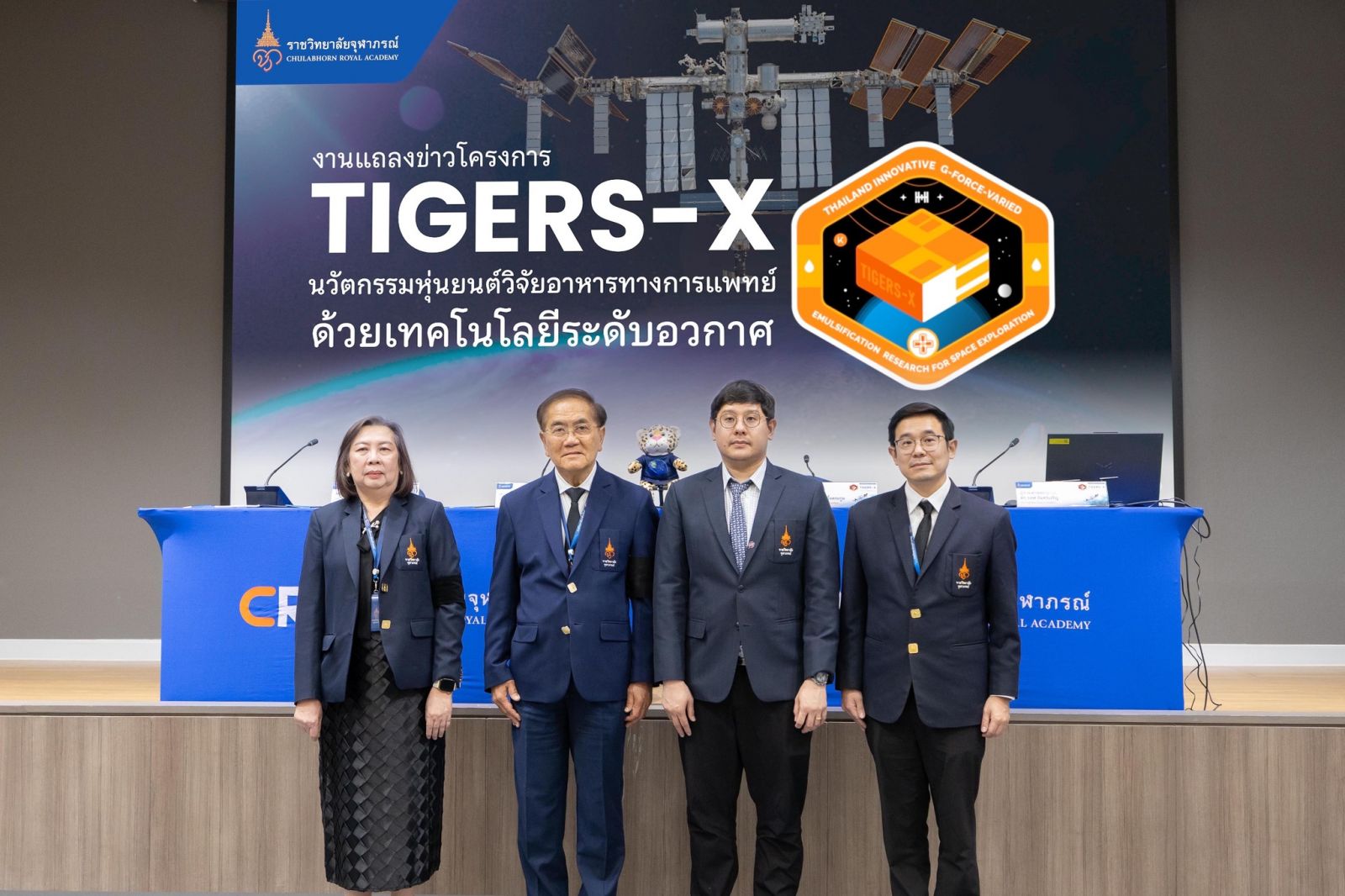
Emeritus Professor Rajata Rajatanavin, M.D., Acting Deputy Secretary-General of Chulabhorn Royal Academy, stated that CRA is fully dedicated to fulfilling the royal vision of Professor Dr. Her Royal Highness Princess Chulabhorn Krom Phra Srisavangavadhana, who envisions CRA as a cornerstone for creating knowledge, innovations, and medical services that meet international standards. The success of the TIGERS-X payload, launched to the International Space Station (ISS) aboard SpaceX's Dragon spacecraft under the SpaceX CRS-34 mission on May 16, 2026, marks a monumental milestone for Thailand on the global stage.
It clearly proves that Thai researchers possess the capability to develop advanced technologies that meet strict international space standards and successfully execute deep-space scientific research.
"Our ultimate policy is to establish public health sustainability and transform Thailand’s role from a 'technology buyer' into a 'global innovation developer and exporter.' We aim to drive the space economy and advance automated precision medicine for all humanity, while providing the new generation of Thai scientists with access to world-class infrastructure," Professor Emeritus Rajata emphasized.
Professor Dr. Ruengpung Sutthent, M.D., Acting Deputy Secretary-General of Chulabhorn Royal Academy overseeing Research and Innovation, revealed that the TIGERS-X project is a prime example of a breakthrough in "Frontier Research," exploring new horizons of knowledge that are currently capturing global interest. This mission sent a prototype robotic system for Total Parenteral Nutrition (TPN) fluid-mixing into space to study its behavior and develop technologies under microgravity, allowing the team to examine biomedical and engineering phenomena that cannot be replicated on Earth.
Meanwhile, Associate Professor Teerapat Ungtrakul, M.D., Acting Dean of the Princess Srisavangavadhana Faculty of Medicine, expressed immense pride in the TIGERS-X project, noting that it stems from the sheer determination and devotion of the college’s faculty and researchers.
This success reflects PSMD's vision to drive health system transformations for sustainable well-being by nurturing high-caliber graduates and pioneering future-oriented research for society. Throughout the process, the college supported the research ecosystem by providing critical tools, resources, and an environment conducive to innovation, turning a laboratory concept into a successful ISS space experiment. This serves as vital proof that academic and scientific research by Thai teams is highly recognized at an international level. PSMD's core mission remains focused on grooming 'physician-researchers' and 'innovators' equipped with future-ready skills. Led by Assistant Professor Vares Chancharoen, Ph.D., and his research team, this milestone will serve as a massive inspiration for medical students, staff, and young researchers to think outside the box and co-create impactful innovations for society. CRA also extends its deepest gratitude to all supporting partners, including internal bodies such as the School of Food Innovation and Nutrition and Chulabhorn Hospital, as well as external organizations like the Thailand Science Research and Innovation (TSRI), GISTDA, Panyapiwat Institute of Management, and various alliance networks.
Assistant Professor Dr. Wares Chancharoen, Lead Project Developer of TIGERS-X, provided technical insights into the innovation, explaining that this project builds upon Thailand’s previous success when the team (under the name KEETA) ranked among the top ๑๐ globally in NASA’s Deep Space Food Challenge in ๒๐๒๒. For this mission, the research team challenged themselves with a core technology: Lab-on-a-chip. By designing a chip that condenses massive medical labs into a tiny chip equivalent to just two business cards, they were able to downscale the entire experiment package (Payload) to a portable laptop size, making it ideal for space transport.
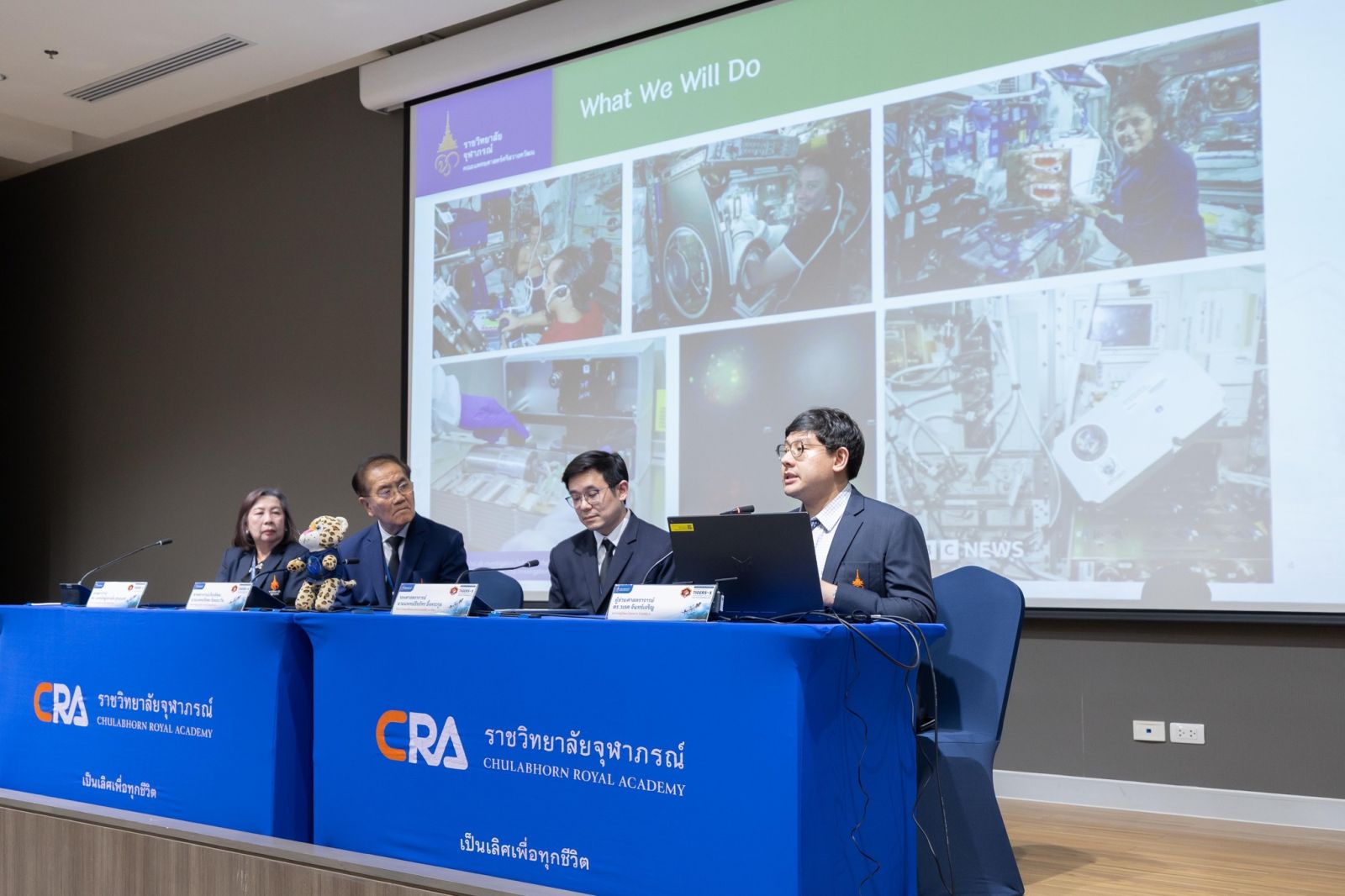
The primary scientific objective is to study emulsification—the mixing of immiscible liquids like water and oil—which forms the foundation of food science and pharmaceuticals. The goal is to understand molecular behaviors completely free from the interference of Earth’s gravity. Initial trials on a Zero-G parabolic flight revealed that water and oil could achieve static mixing without any external mechanical force, validating the team's hypothesis. This led to expanding the research onto the ISS, which allows for prolonged microgravity observation. The TIGERS-X payload successfully powered up and established its communications link with the ISS on the night of May ๒๖, ๒๐๒๖, at ๑๐:๐๐ PM. The first set of experimental data has already been received live at the ground control room. Preliminary results indicate that in a microgravity environment, surface tension becomes the dominant force dictating fluid behavior, rendering a distinctly visible curvature in the water layer. Consequently, the water and oil do not separate into distinct layers and mix significantly better than they do on Earth.
Dr. Wares further explained that manufacturing and launching this Thai-made Lab-on-a-chip system yields vital outputs and opportunities for both Thai and global industries across 6 core dimensions:
- Lab-on-a-Chip Technology: A chip-sized mini-laboratory that downscales processes for advanced biomedical research, such as cancer cell studies and protein crystallization in space—a field of Frontier Research drawing immense global interest. The Lab-on-a-chip serves as the heart of this experiment, releasing fluids to flow through a microscopic chip-level chamber with a specialized geometric path called a Tesla Valve. This geometry creates fluid turbulence, enabling highly efficient fluid mixing under microgravity on the ISS. The liquids tested in this mixing process include intravenous total parenteral nutrition (TPN) solutions.
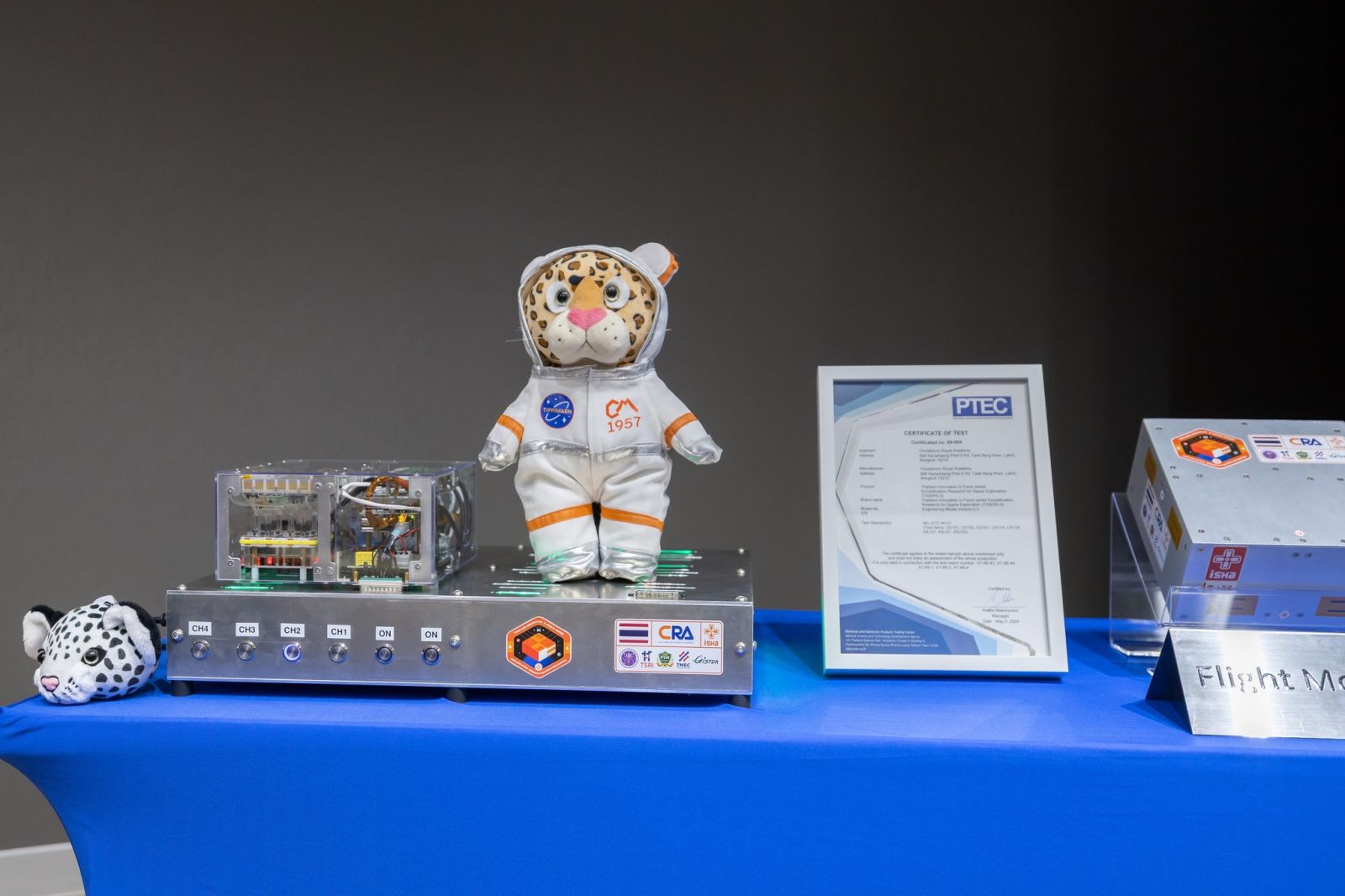
- Thai-Made On-Board Computer (OBC): A miniature control computer developed entirely by the research team to command the chip. It successfully cleared the rigorous Military Standard (MIL-STD) testing, proving it functions flawlessly in space. It can stream real-time data back to Earth and accept updated experimental parameter adjustments sent back up within minutes.
- Upgrading Domestic Industrial Components (COTS): Leveraging standard Commercial Off-The-Shelf (COTS) parts from Thai local industries—such as fluid-leakage prevention O-rings and specialized bags with threaded pipe sealing systems—and testing them until they surpassed international space flight standards, effectively adding over a hundredfold increase to their commercial market value.
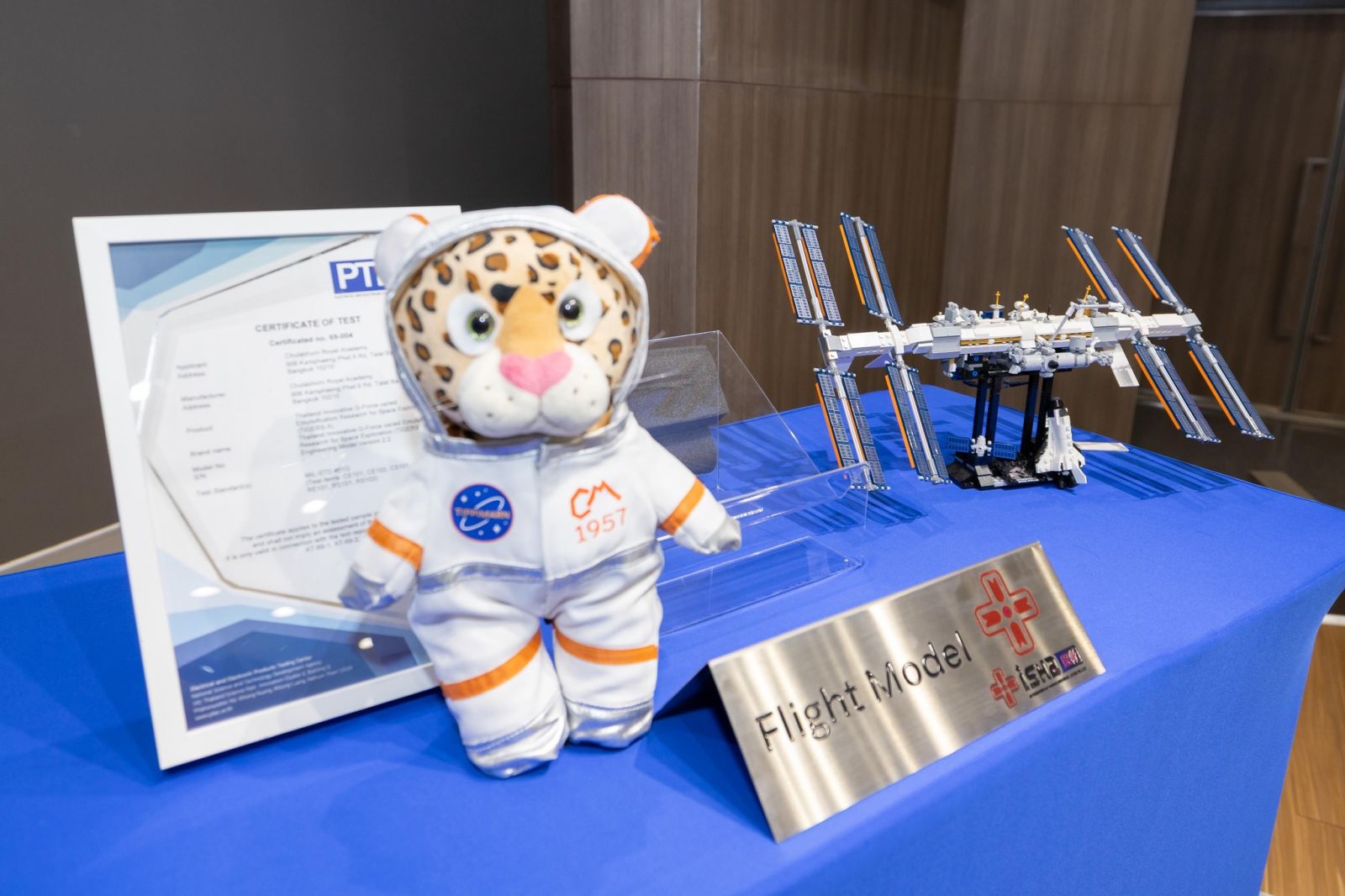
- Thailand’s Space-Standard Testing Readiness: A fruitful collaboration with the Electrical and Electronic Products Testing Center (PTEC) under NSTDA to successfully execute MIL-STD compliance testing. This proves that Thailand now possesses the domestic infrastructure and capability to offer competitive space-standard certification services for international clients.
- Global-Grade Cyber Security: The specialized ground laboratory located at CRA's Princess Srisavangavadhana College of Medicine building has achieved the highest level of cybersecurity certification from NASA and the European Space Agency (ESA). This allows for a direct, dedicated data pipeline linked straight to the ISS, maintaining an incredibly low signal latency of only around 1 second.
- Open Science and Platform: The team created a public live Dashboard system, allowing interested scientists, students, and the general public to track the real-time operational status of TIGERS-X while it is up in space, aimed at sparking inspiration and fostering collective learning.
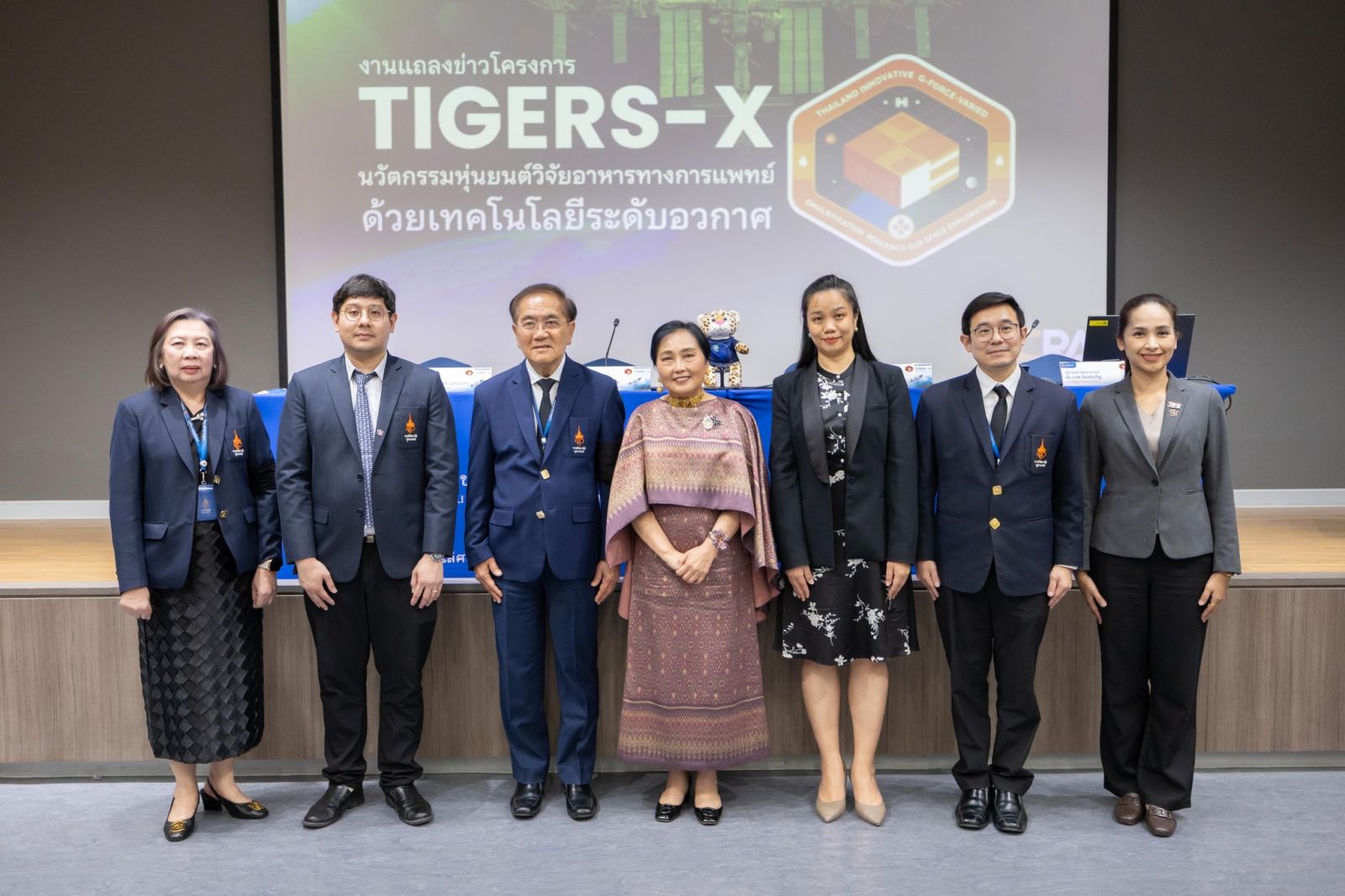
Professor Dr.Sompong Klaynongsruang, Director of Thailand Science Research and Innovation (TSRI), added with great excitement and delight: "This is a monumental achievement and a major breakthrough for Thailand’s science, research, and innovation ecosystem. For nearly a century of global space exploration history, Thais could only watch other nations push boundaries. But today, fueled by the Science, Research, and Innovation Fund established 7 years ago, we have proven that Thai people can independently build chip-level technologies, like the Lab-on-board process. Every miniature tool, component, and micro-tubing system was crafted by Thai hands and communicates directly with outer space. This elevates the quality of life and fills Thai citizens with immense pride, firmly positioning Thailand within the Global Value Chain of the emerging space economy."
Conclusion and Future Horizons of the Project
The success of operating the Lab-on-a-chip under microgravity will be leveraged to create mid-to-long-term impacts on human quality of life across multiple dimensions:
- Revolutionizing Anti-Cancer Drug R&D: This Lab-on-a-chip technology will be advanced further to create miniature organ models (Organoids) or carry active cancer cells to test the efficacy of anti-cancer treatments. Because microgravity dramatically enhances fluid mixing and drug absorption, this serves as a core research strategy for CRA to discover high-precision, 100% effective targeted cancer therapies, aiming to significantly reduce cancer mortality rates among Thai citizens.
- Personalized Medicine: Fundamental insights gained from the seamless, high-efficiency mixing of Total Parenteral Nutrition (TPN) in space will be brought back to redesign fluid-mixing theories and automated compounding systems on Earth, allowing for safer, highly customized medical nutrition tailored precisely to individual patients.
- Creating Ground-Based Microgravity Facilities: TSRI and the research team aim to utilize the fluid physics and space engineering data discovered during this mission to model and build a dedicated "Microgravity Simulation Chamber" infrastructure right here in Thailand. This will boost domestic manufacturing capabilities and allow for the localized development of advanced targeted pharmaceuticals and medical instruments without needing a rocket launch for every trial.
- Serving as a Universal Space Payload Platform: Having cleared the rigorous MIL-STD and secured direct NASA/ESA cybersecurity data channels, the TIGERS-X hardware will serve as a ready-made, plug-and-play universal platform (resembling Lego blocks). It opens up opportunities for global scientists and commercial innovators to easily plug in new research chips and launch them into space, drastically reducing development timelines and lowering deployment costs, thereby driving exponential growth in Thailand’s space industry.
CRA is also deeply honored to announce that Professor Dr. Yodchanan Wongsawat, Deputy Prime Minister and Minister of Higher Education, Science, Research and Innovation (MHESI), will be visiting the TIGERS-X project laboratory to witness the live space data connection on Friday, May 29, 2026, at the Princess Srisavangavadhana Faculty of Medicine, CRA. The Minister will also preside over the opening ceremony and deliver a keynote address on "Laying the Foundation to a High-Income Nation through Science and Technology" at the “CRA THINK SHARE: INNOVATIONS & INVENTIONS FORUM 2026.” This forum hosts a high school innovation and invention competition alongside an exhibition showcasing CRA's institutional innovations, aiming to inspire the next generation of youth and Thai innovators. The public can tune in to discover the deep-dive behind-the-scenes stories of this historic TIGERS-X mission alongside Professor Dr. Yodchanan Wongsawat during the "Live Shanergy X TIGERS-X" broadcast on Friday, May 29, 2026, at 8:00 PM via Facebook & YouTube: @YodchananWongsawat.
TIGERS-X Project Information: https://www.cra.ac.th/th/news_activities/view/TIGERS-X
For more details, please visit the Chulabhorn Royal Academy