 Home
Home


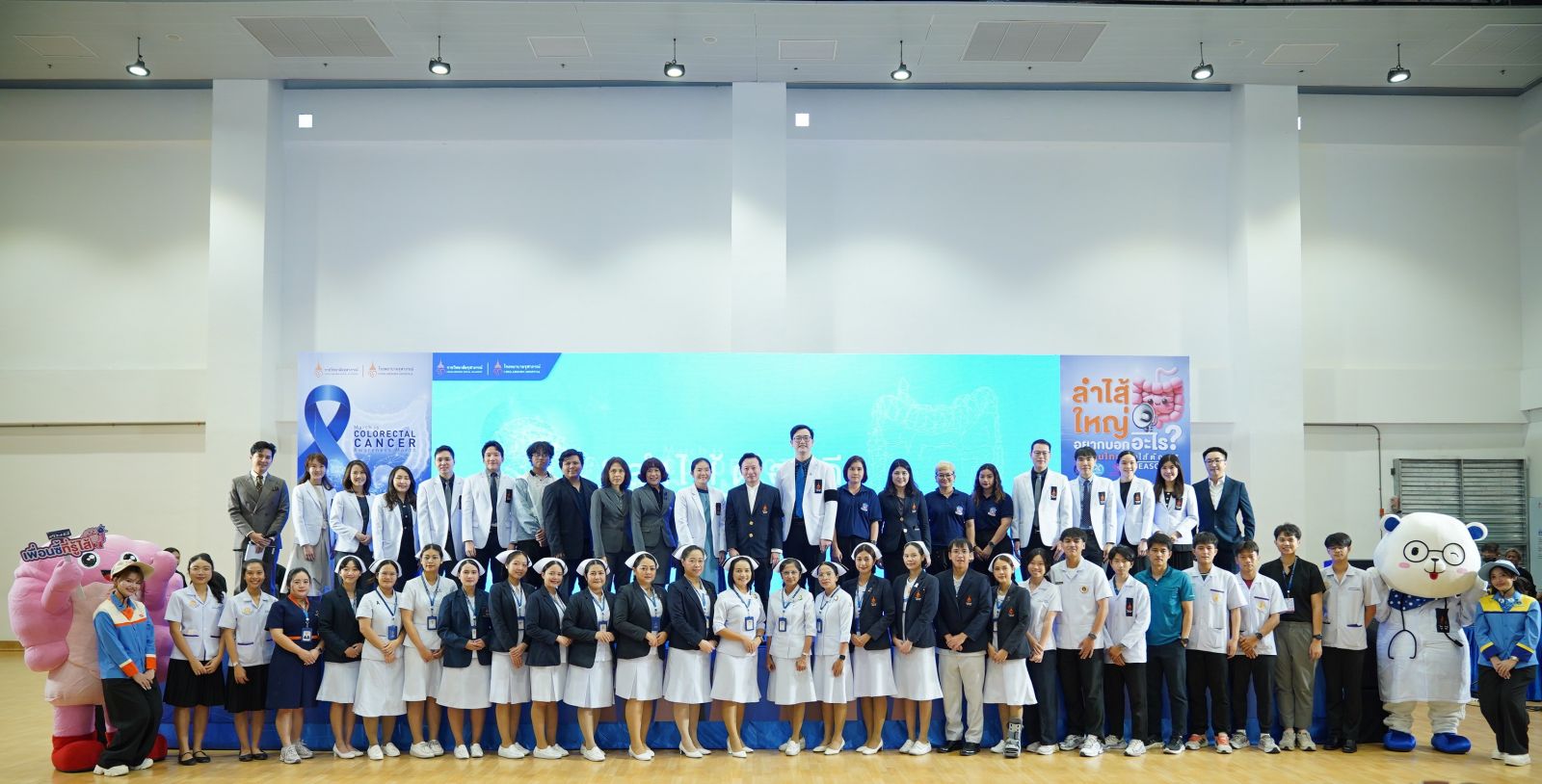
Chulabhorn Royal Academy Joins Forces with Doctors, Tech, and Networks to Combat Colorectal Cancer, Promoting Gut Balance and Early Prevention in "What the Colon Wants to Say... Season 2" Campaign.
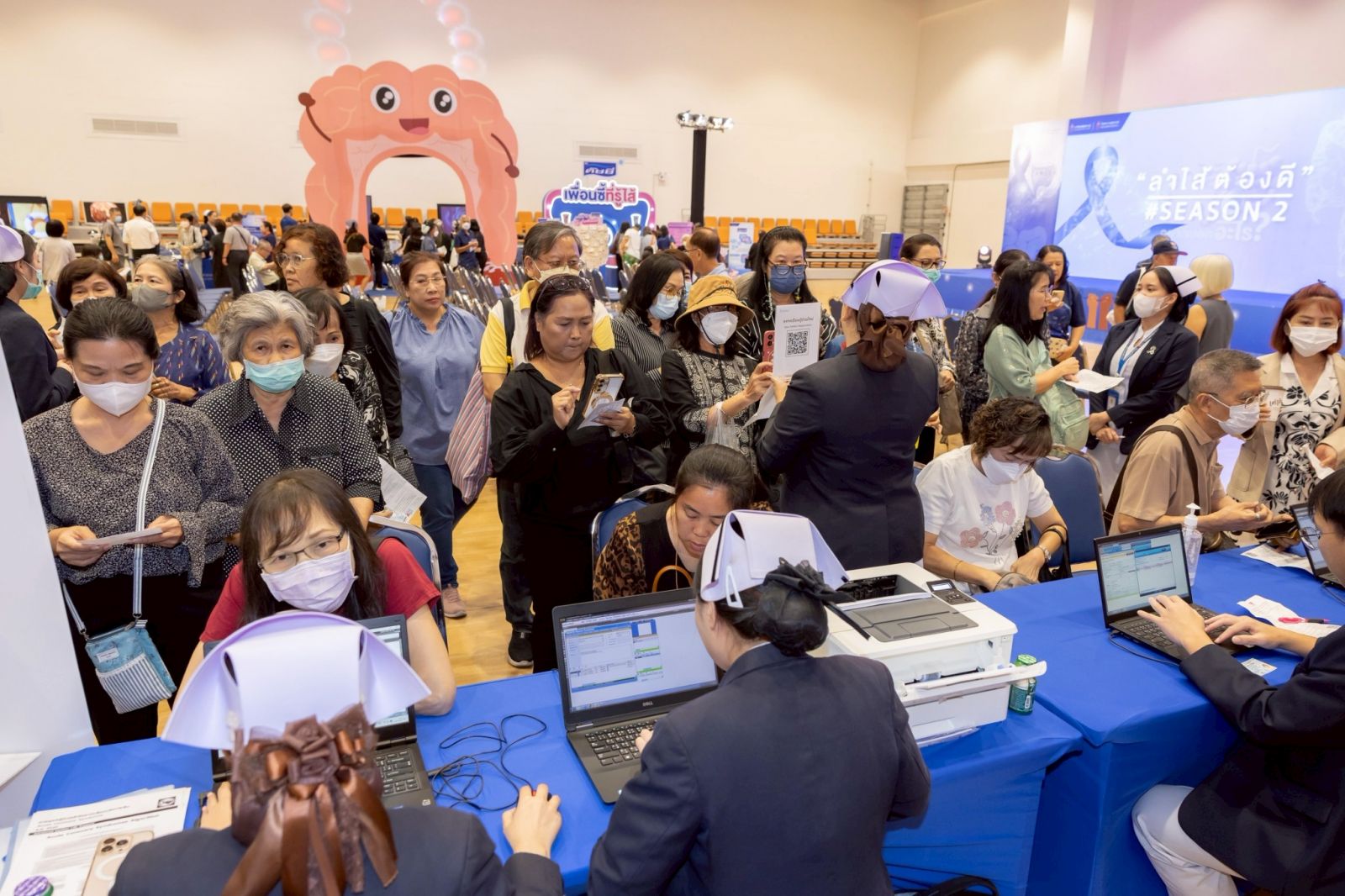
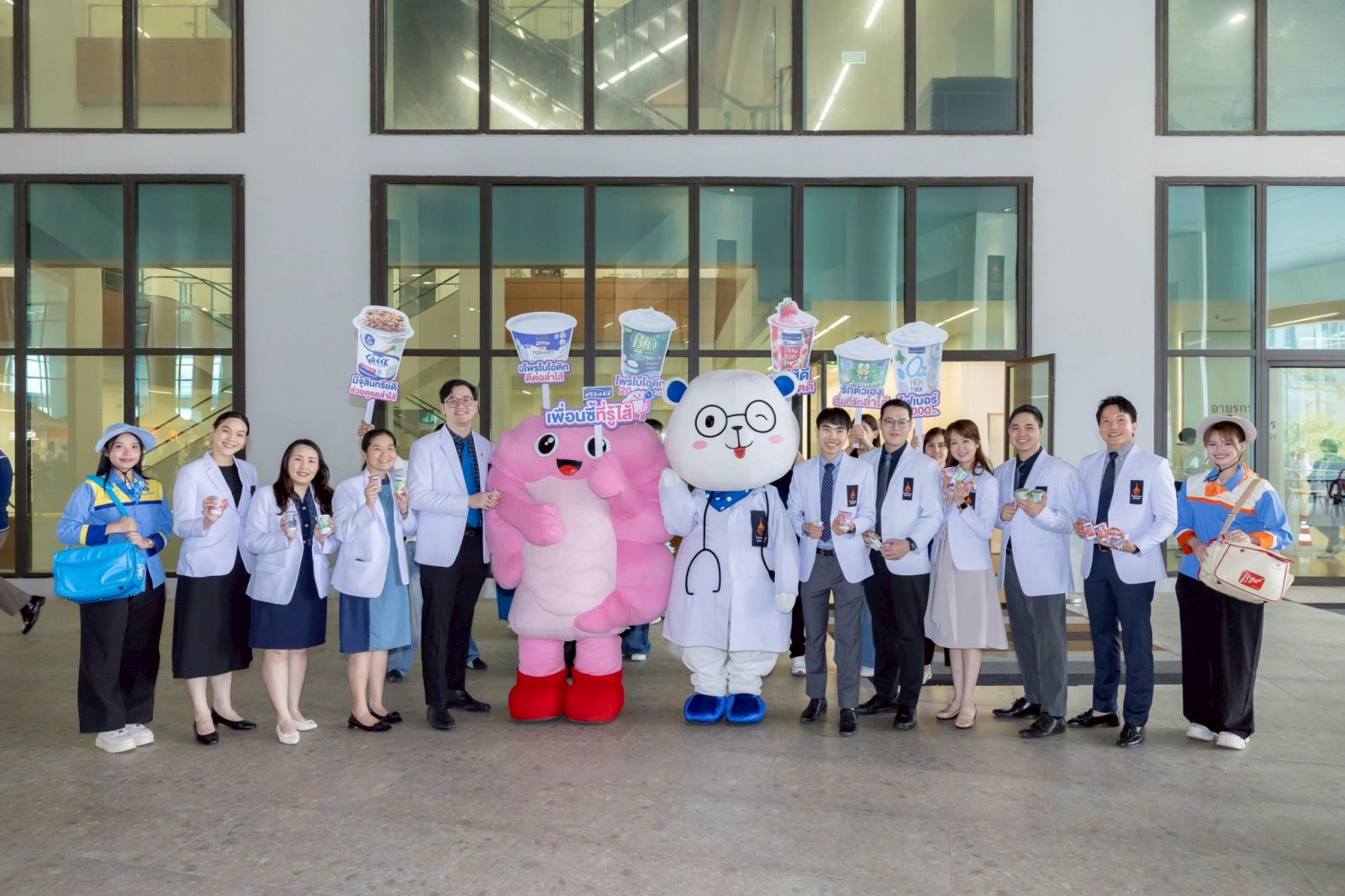
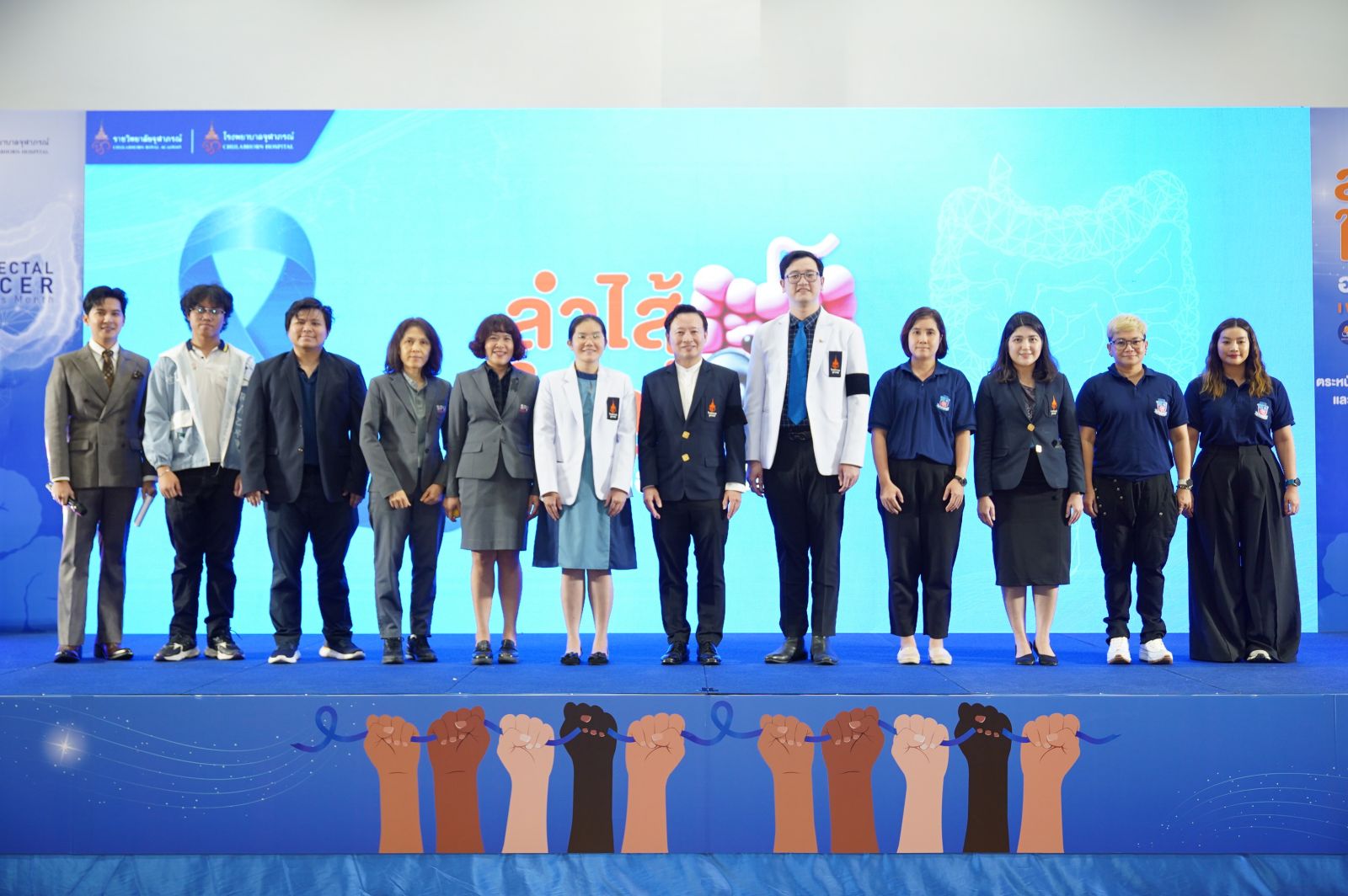
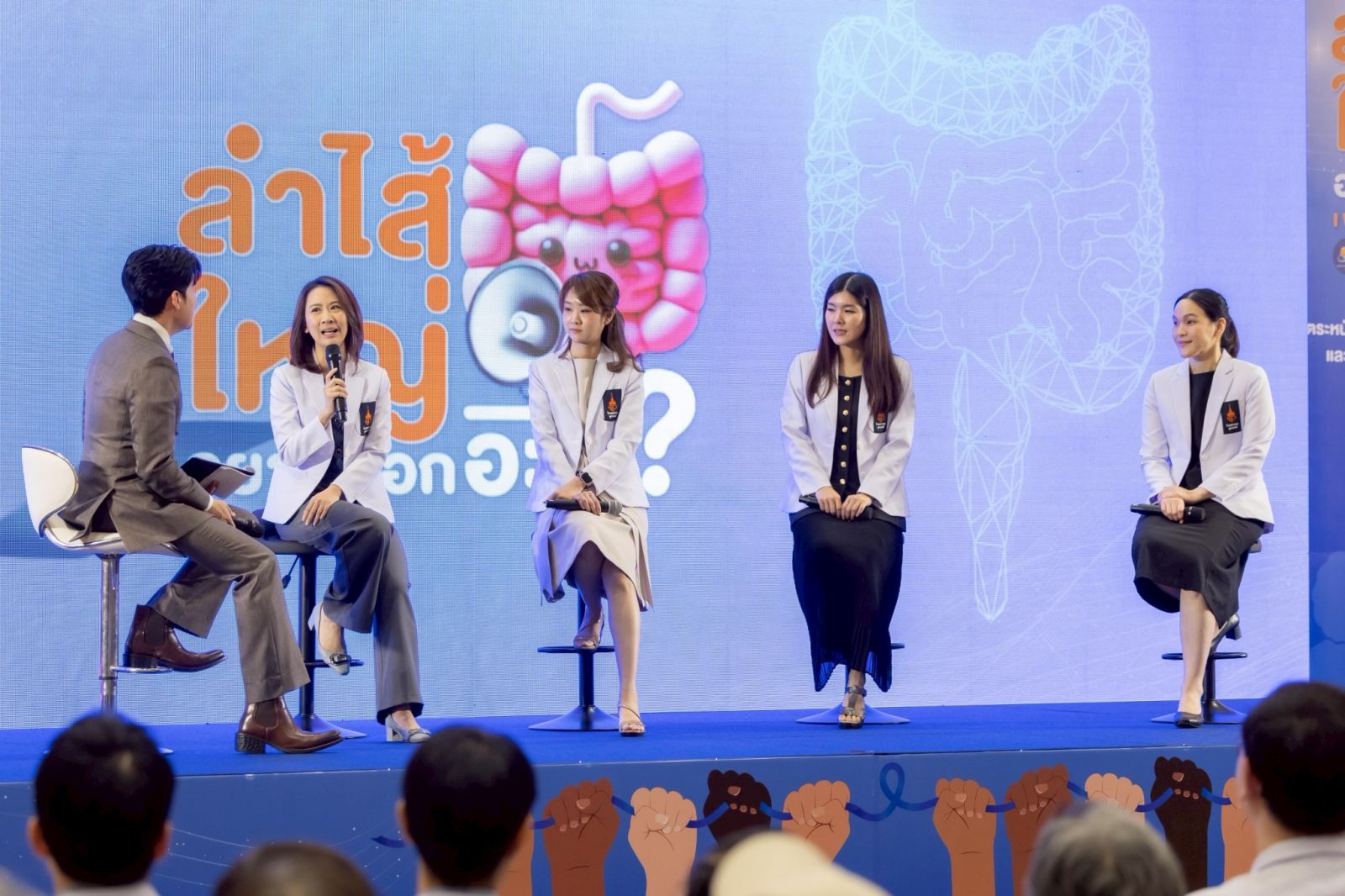
BANGKOK (March 27, 2026) – Chulabhorn Hospital, Chulabhorn Royal Academy, organized the health academic service activity “What the Colon Wants to Say… For Thais to Have a Good Gut Season 2”. Held in observance of Colorectal Cancer Awareness Month (March 2026) at the Convention Hall, 6th Floor, at the Krom Phra Srisavangavadhana Building, Chulabhorn Hospital, the event aimed to raise awareness about "Gut Balance"—a cornerstone of holistic health and the prevention of colorectal cancer. In Thailand, the disease sees approximately 15,000–16,000 new cases annually, with an average of 15 deaths per day, showing a steady increase in patients over recent years.
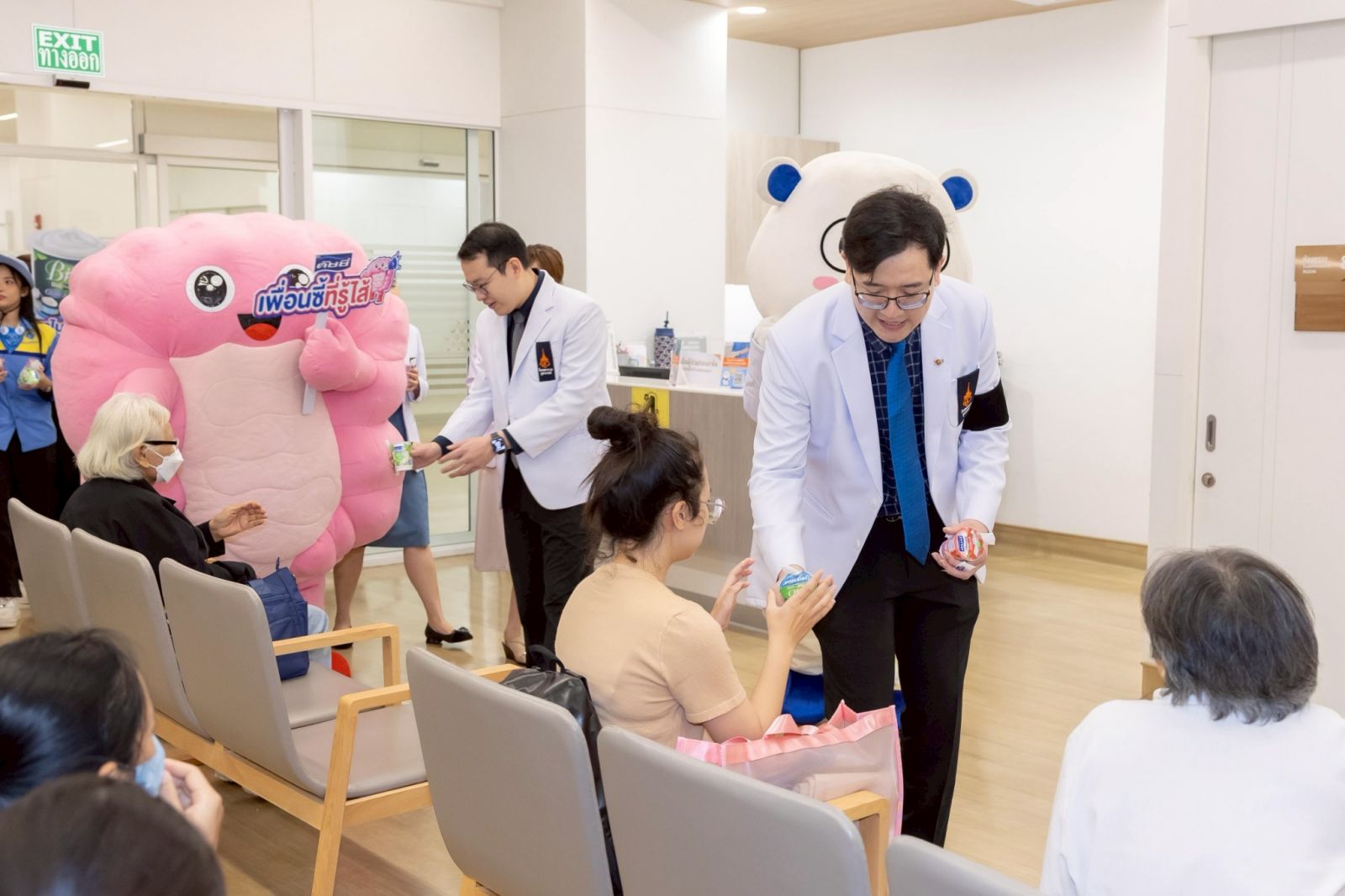
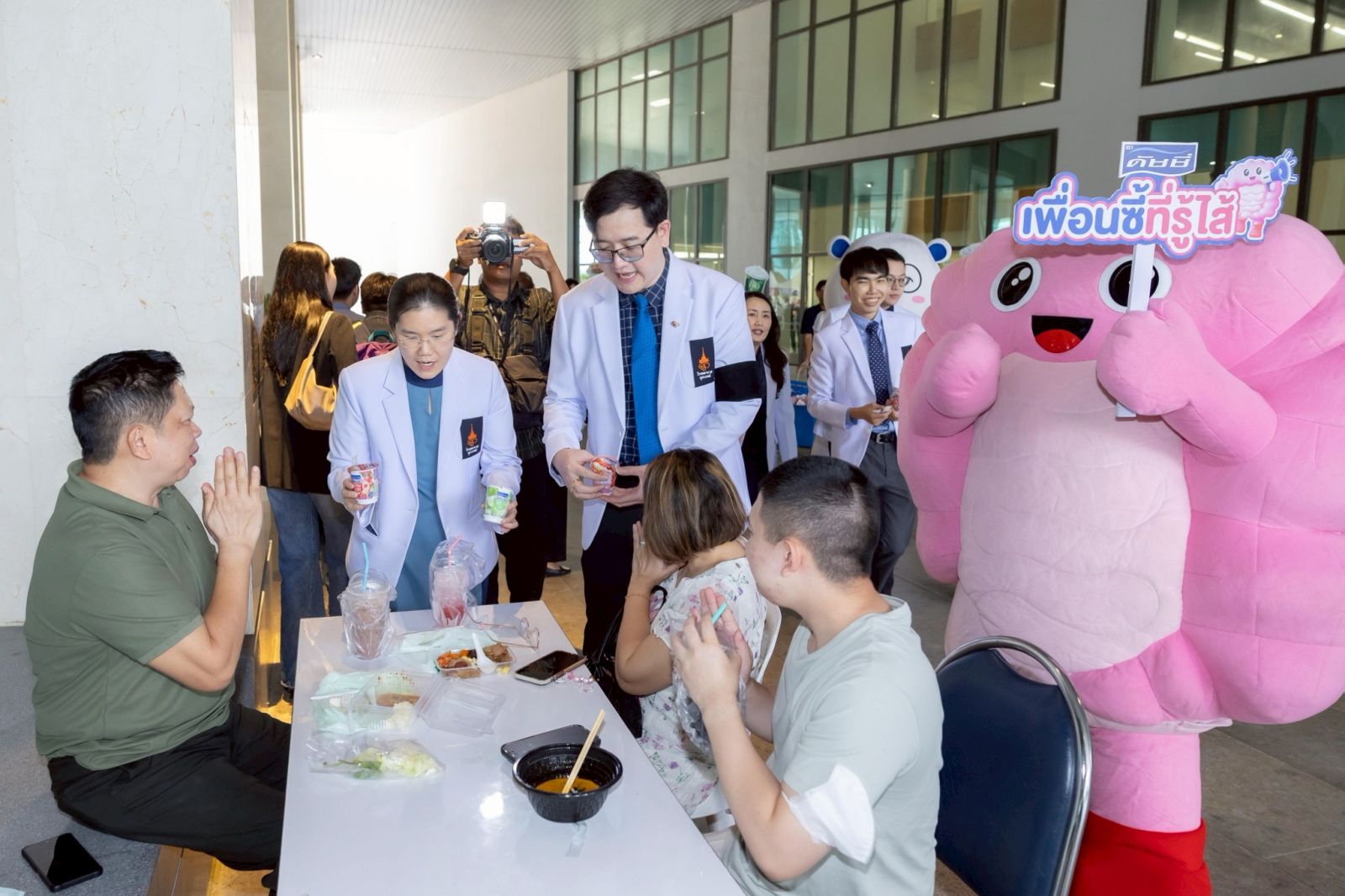
Damrong Sukitpinyarij, M.D., Deputy Director of Chulabhorn Hospital, presided over the opening ceremony. He highlighted that this academic activity serves to campaign against colorectal cancer by promoting awareness, encouraging behavioral changes, and urging appropriate screenings. The event provided the public with access to knowledge and consultations from a multidisciplinary team to foster proactive health care, reduce disease severity, and sustainably improve quality of life. This initiative was supported by strategic partners, including Dutch Mill Co., Ltd. and Sripatum University, to strengthen the nation’s health system and position the "gut" as the center of overall health.
Unveiling the Silent Threat and Screening Insights
Worawat Saengviphaporn, M.D., Head of the Gastroenterology and Liver Section at Chulabhorn Hospital, stated: “Colorectal cancer is a major public health issue globally and in Thailand. It is linked to lifestyle factors such as processed food consumption, obesity, lack of exercise, smoking, and alcohol. Notably, we are seeing an increasing trend in younger age groups.”
“Colorectal cancer is often asymptomatic in its early stages, leading many patients to seek medical attention only when the disease has already reached an advanced stage. ‘Gut health’ plays a crucial role in disease risk, as maintaining a balanced gut microbiome can help reduce the likelihood of developing cancer. Furthermore, colorectal cancer is a disease that is both preventable and detectable at an early stage. We should, therefore, prioritize raising awareness, adopting healthy lifestyle habits, and undergoing appropriate screenings to reduce morbidity and mortality rates in the long term,” said Worawat M.D.,.
Insights from the Gastroenterology and Liver Team included:
Anya Kiattiveerasak, M.D.: Described colorectal cancer as a “silent threat” that is asymptomatic in its early stages. Screening helps detect “polyps,” which can be removed before they develop into cancer.
Warut T. Sriwong, M.D.: Recommended that the general public begin screening at age 45–50. However, those with a family history should start earlier, at age 40 or 10 years before the age their relative was diagnosed.
Sapol Tepwiwatchit, M.D.: Identified three main screening methods: stool tests, CT scans, and colonoscopies. He emphasized that colonoscopies have the highest accuracy and allow for immediate polyp removal, stating that this cancer is "nearly 100% preventable" if detected early.
“Cultivating Good Gut Habits” with Microbiome Balance
Sapol Wiwatpattanakul, M.D.: Discussed the “3 Elements of Gut Health”: Prebiotics, Probiotics, and Postbiotics. He noted the gut’s role as a hub connecting the liver, brain, and heart, and recommended high-fiber diets from vegetables and grains.
Sittikorn Papawin, M.D.: Explained that “Dysbiosis” (gut microbial imbalance) leads to chronic inflammation and DNA damage, which are precursors to cancer. He advised focusing on nutrition rather than relying solely on supplements.
Kansuda Panjachaiyapornpol, M.D. (Assistant Director of Chulabhorn Hospital): Suggested obtaining probiotics from natural sources like yogurt and fermented foods, combined with fiber. She emphasized that “good gut health begins with a balanced lifestyle,” including adequate sleep and reducing processed foods.
Elevating Treatment with Technology and Precision Medicine
Chayanee Samdangpan, M.D. (Medical Oncologist): Highlighted modern integrated care, including targeted therapy and immunotherapy, alongside laparoscopic and robotic-assisted surgeries that offer smaller incisions and faster recovery.
Siree Vongrakmit, M.D. (Clinical Nutritionist): Stated that nutrition is a vital part of treatment, ensuring patients have enough energy to boost immunity and aid recovery.
Pairin Laohasinnarong, M.D. (Acting Head of Rehabilitation Medicine): Reported that exercise can reduce colorectal cancer risk by 20–30% and significantly improve quality of life during treatment.
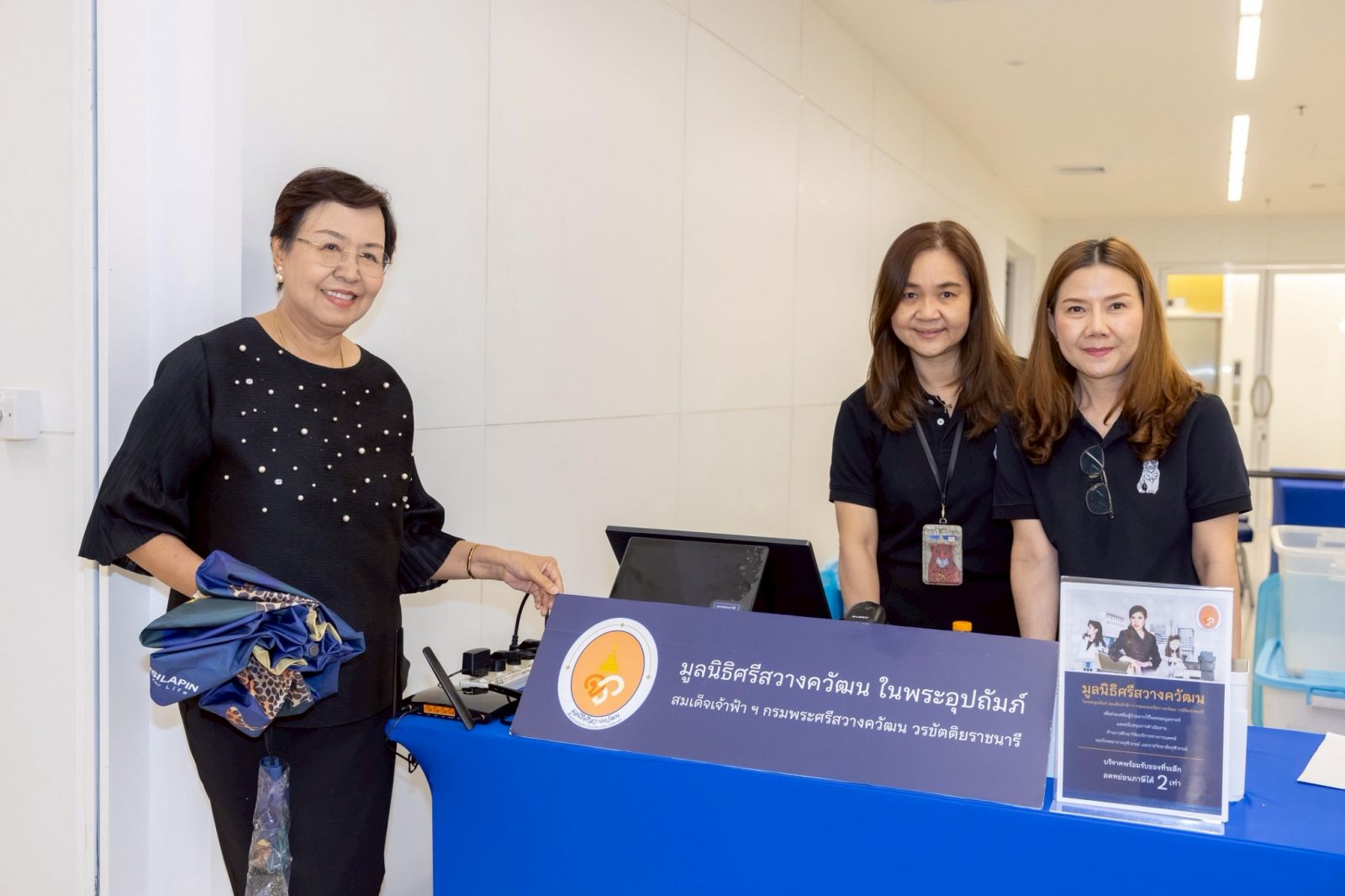
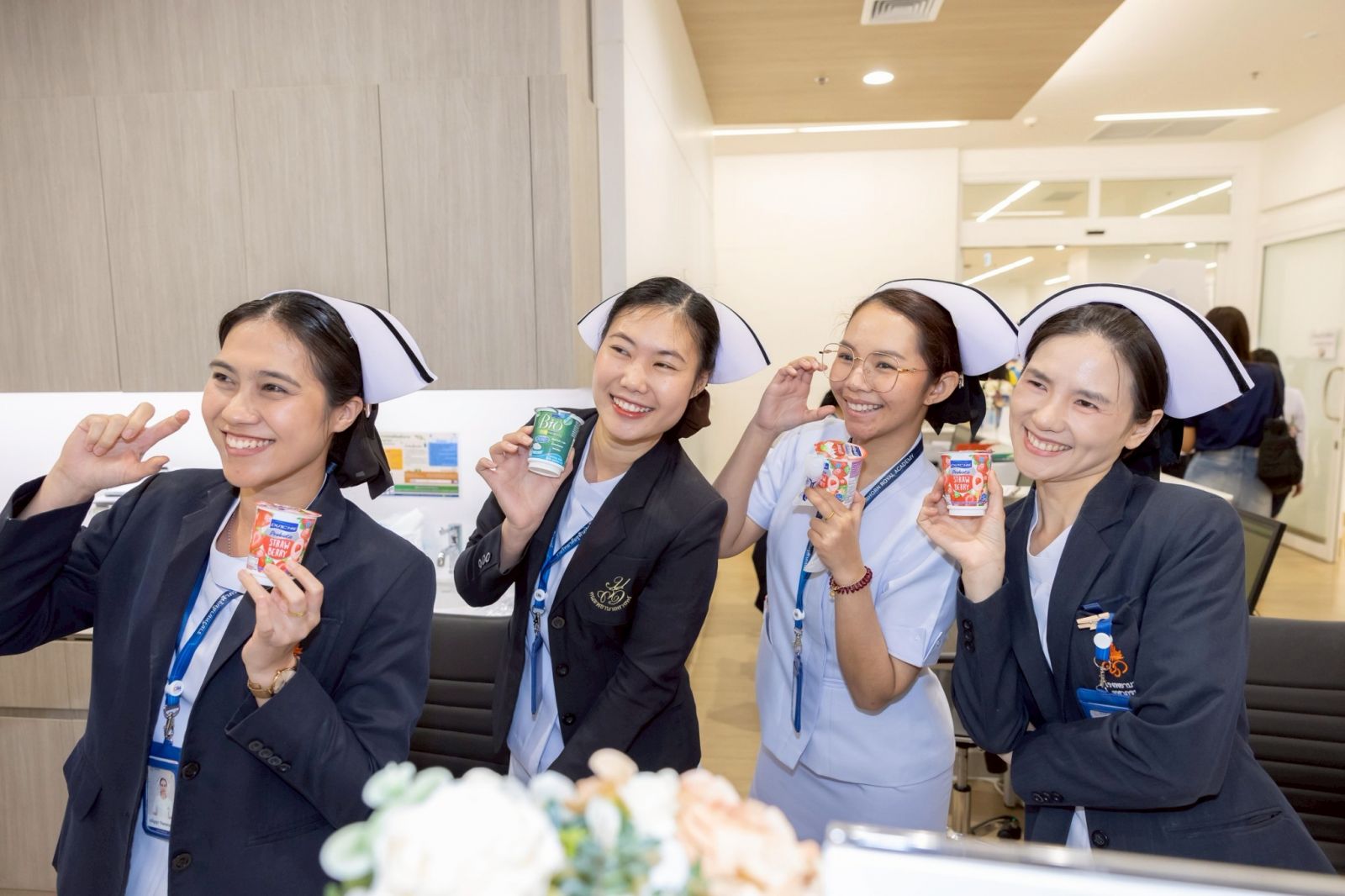
The event also featured the “Virtual Colon Adventure” by Sripatum University, utilizing 360-degree VR technology to allow participants to explore the colon and learn about warning signs. Other highlights included the “Quiz Zone” and “Safe Zone” for health consultations, and charity booths from the Princess Srisavangavadhana Foundation and the Thai Cancer Network. This event reflects the commitment of Chulabhorn Hospital, Chulabhorn Royal Academy, to enhancing public health literacy and ensuring that disease prevention—especially for colorectal cancer—becomes a priority for all Thais.
.jpg)
.jpg)
.jpg)

.jpg)
.jpg)
.jpg)

.jpg)