 Home
Home


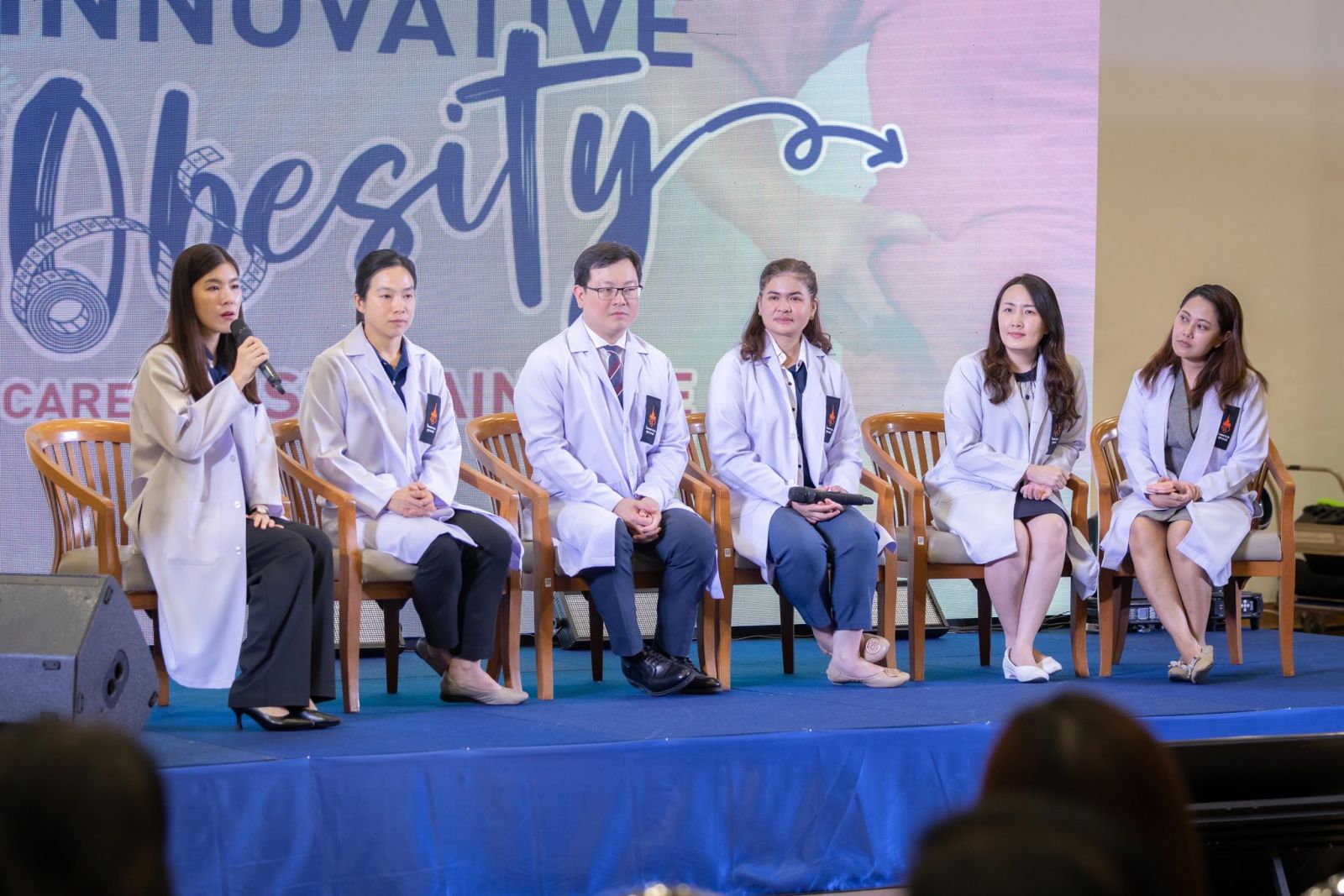
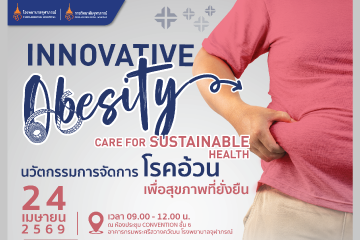
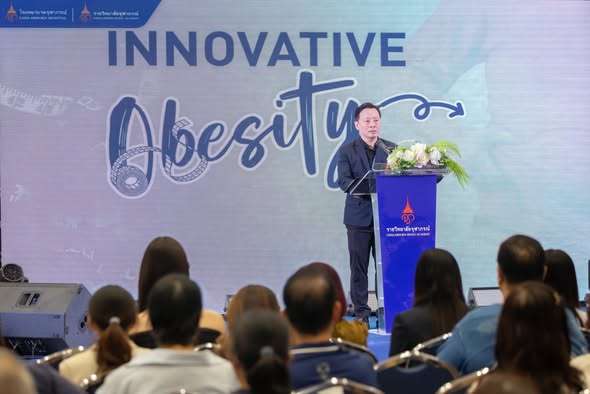
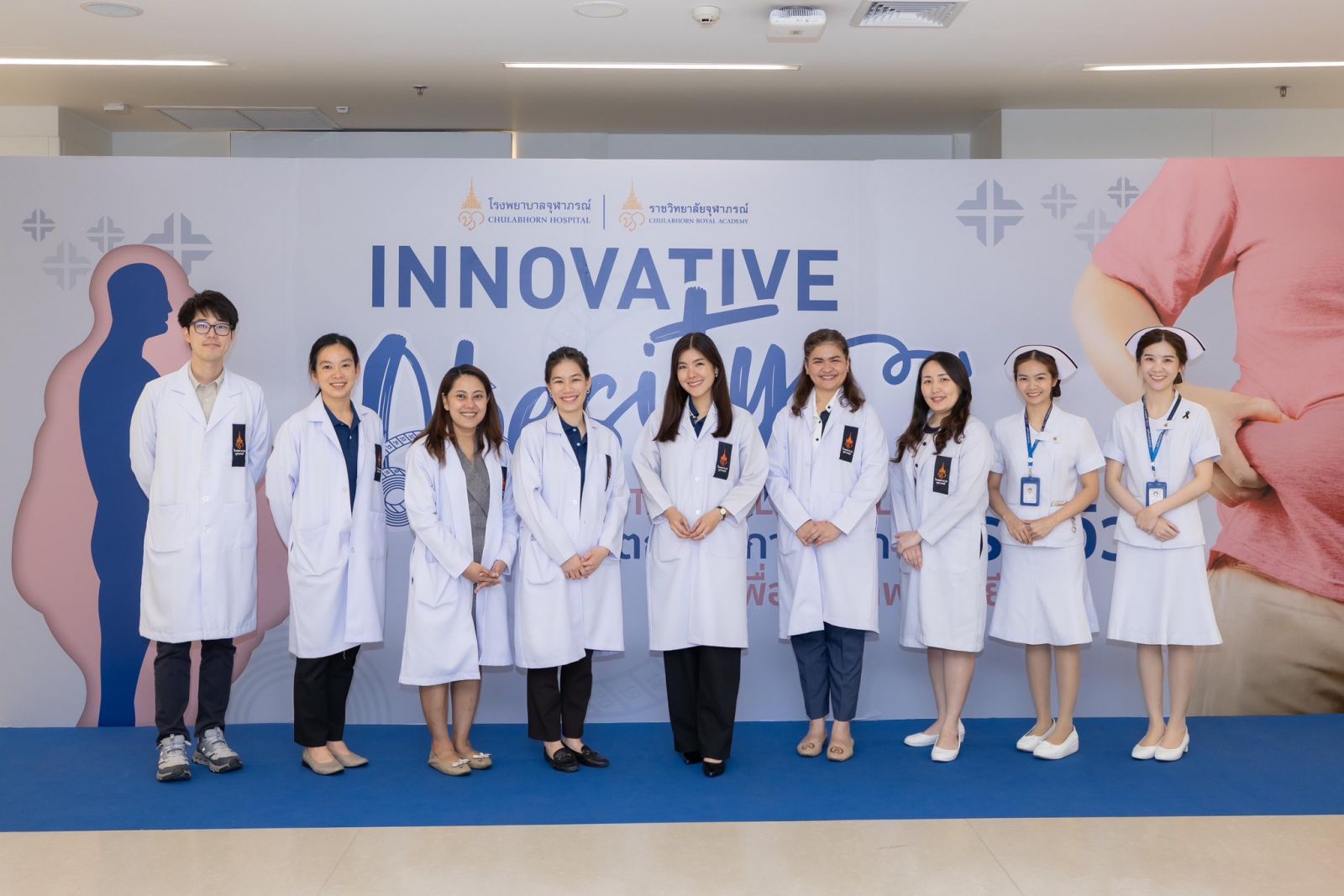
April 24, 2026, Bangkok – Chulabhorn Hospital, Chulabhorn Royal Academy (CRA), continues to honor the royal aspiration of Professor Dr. Her Royal Highness Princess Chulabhorn Krom Phra Srisavangavadhana, President of Chulabhorn Royal Academy, Chancellor of Chulabhorn Royal Academy Council, and Acting Secretary-General of Chulabhorn Royal Academy. The hospital organized health promotion academic activities under the “Innovative Obesity Care for Sustainable Health” project for 2026. A multidisciplinary team of physicians and specialists held a panel discussion to raise public awareness about the dangers of obesity and provided in-depth insights into comprehensive treatment—ranging from lifestyle modification and medication to advanced surgical innovations. The initiative aims to enhance public quality of life and reduce the risk of Non-Communicable Diseases (NCDs). The event, held at the Convention Hall, 6th Floor, Krom Phra Srisavangavadhana Building, was presided over by Dr. Damrong Sukitpanyaroj, Deputy Director of Chulabhorn Hospital. In his opening remarks, Dr. Damrong emphasized that obesity is no longer just a matter of physical appearance but a severe public health crisis both nationally and globally, acting as a gateway to chronic conditions such as diabetes, hypertension, and heart disease.

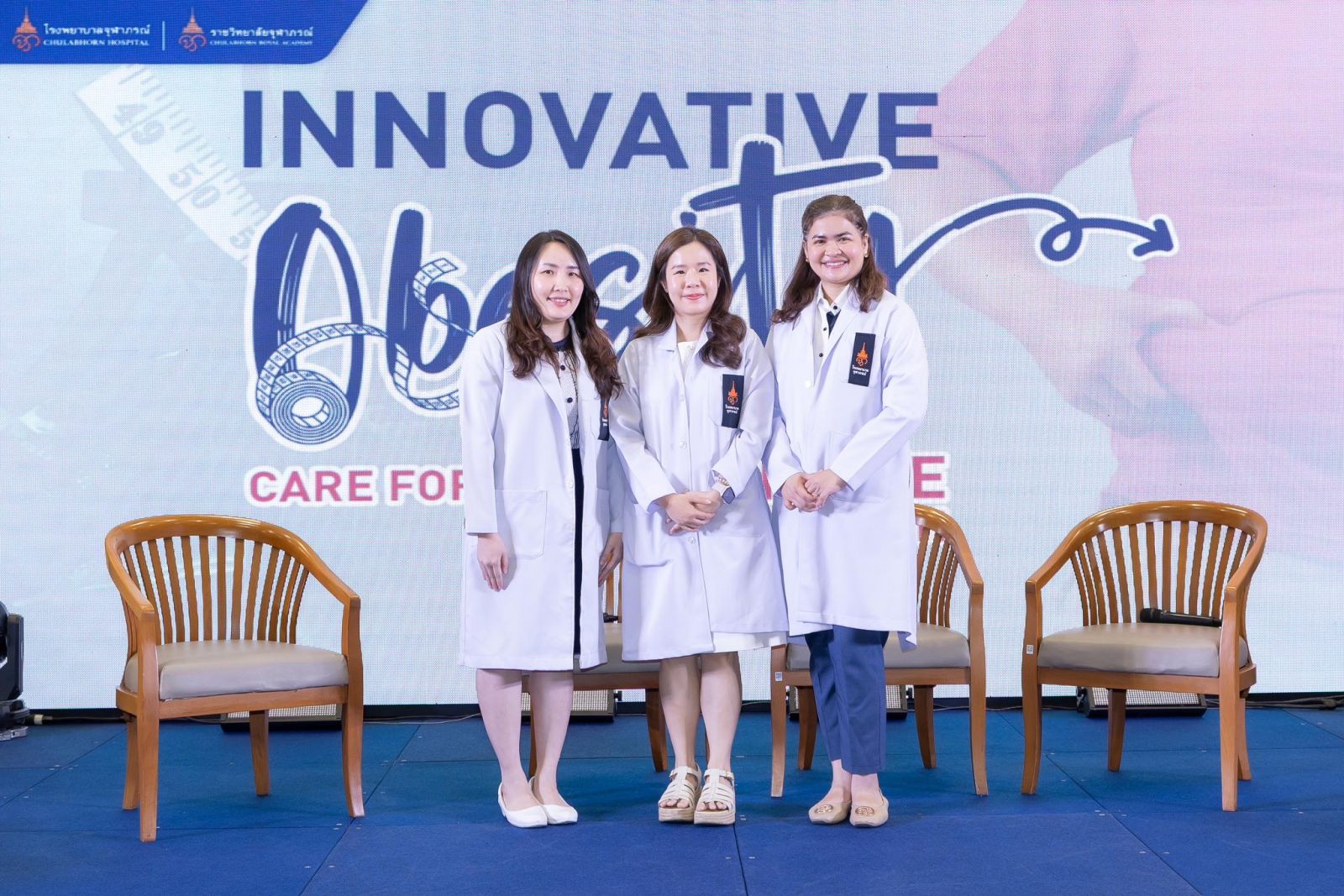
Chulabhorn Hospital, Chulabhorn Royal Academy (CRA), through its Obesity and Metabolic Clinic, has joined forces with a multidisciplinary team to emphasize that obesity care is a collective responsibility. Effective management requires the integration of medical expertise, advanced technology, and, most importantly, collaborative behavioral modification to achieve sustainable health. Dr. Siree Wongrakmit and Dr. Watanya Kuwawattananon, specialists in Clinical Nutrition, redefined obesity as a chronic disease rather than just a physical concern. They noted that it stems from various factors, including behavior, hormones, and genetics. When self-guided weight loss is unsuccessful, medical consultation becomes a vital option for personalized treatment plans, ranging from nutritional adjustments and weight-loss medication to bariatric surgery. Additionally, Dr. Fon Paekul, a specialist in General Surgery...
...and Advanced Laparoscopic Surgery, shared updates on modern Bariatric Surgery. She noted that improved safety standards now allow patients to see clear results in weight reduction and complication management. To ensure permanent outcomes and avoid the "yo-yo effect," she stressed the need for consistent post-surgical care. Since obesity is a systemic issue, Chulabhorn Hospital’s multidisciplinary team provides holistic care covering various health aspects, with key insights shared below:
Gastrointestinal and Liver System: Dr. Anya Kiatweerasakul, a specialist in Gastroenterology and Hepatology, explained the risks of Fatty Liver Disease associated with obesity. She noted that this condition does not only affect the liver but is also directly linked to insulin resistance and obesity. If left untreated and without lifestyle modifications, it can progress to chronic hepatitis, liver fibrosis, cirrhosis, and increase the risk of liver cancer in the future. Therefore, proper weight management is the key to reducing excess fat accumulation in liver cells and restoring normal liver function.
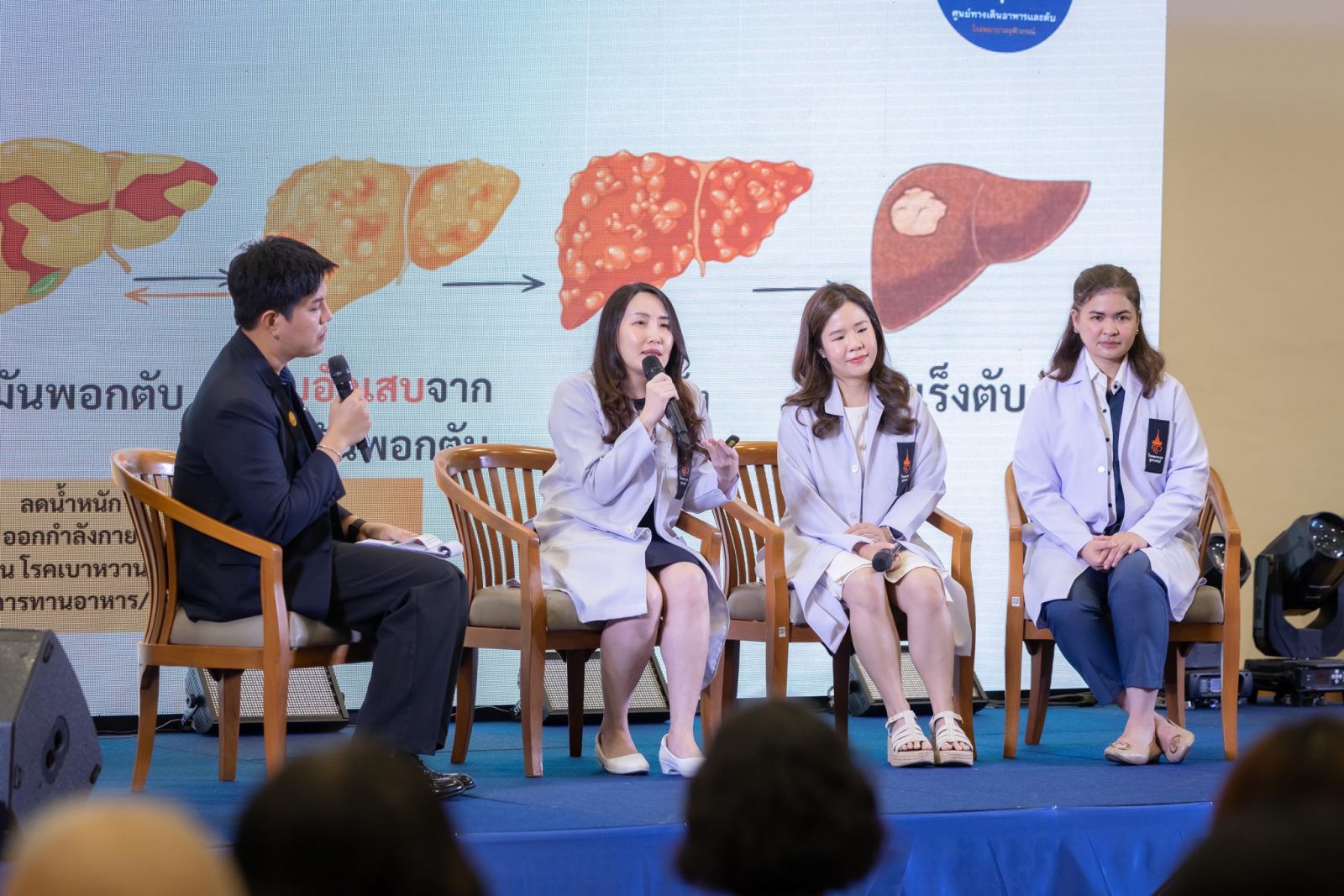

Respiratory System: Dr. Pimchanok Pattanayindee, a specialist in Pulmonology and Critical Care Medicine, pointed out the dangers of Obstructive Sleep Apnea (OSA), which is frequently found in overweight individuals. Excess fat accumulation around the upper airway causes the passage to narrow, leading to insufficient oxygen levels during sleep. She warned that the dangers of this condition extend far beyond simple snoring.
Gynecology: Dr. Katanyuta Nakpalat, a specialist in Obstetrics, Gynecology, and Reproductive Medicine, added that obesity directly impacts the endocrine system, causing abnormalities in sex hormone production and metabolism. Insulin resistance, which often accompanies excess weight, triggers a chain reaction in women's health, including infertility and Polycystic Ovary Syndrome (PCOS). Obesity is a primary factor in chronic anovulation and is closely linked to PCOS, leading to irregular periods and significantly reducing the chances of natural conception. Furthermore, it increases the risk of gestational diabetes, which affects both maternal health and the fetus, potentially leading to excessive birth weight or complications during delivery.
Orthopedics (Bone and Joint): Dr. Natthawut Chanarittichai, a specialist in Orthopedic Surgery (Hip and Knee Arthroplasty), explained that excess body weight directly impacts the weight-bearing capacity of joints, particularly the knees. For every additional 1 kilogram of body weight, the impact on the knees increases by 3-4 times during walking. He also provided guidance on safe movement techniques to preserve joint health for individuals struggling with obesity.
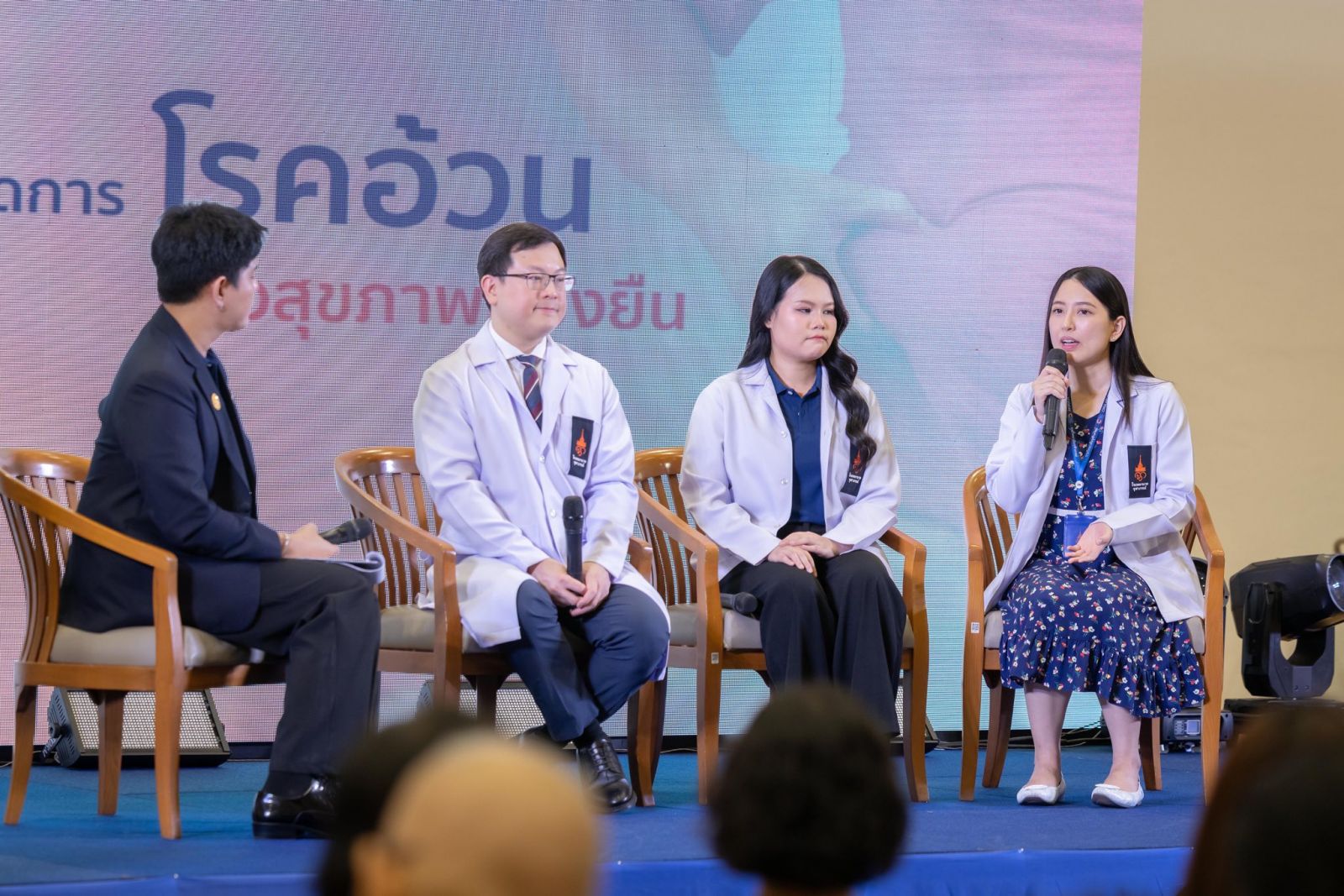
Beyond medical treatment, adjusting mindset and nutrition is the cornerstone of sustainable obesity management. Ms. Kannatsucha Thawiang, a Dietitian, and Ms. Punyawee Boontam, a Clinical Psychologist, jointly discussed the role of behavioral change and managing "Emotional Eating." They emphasized shifting mindsets for long-term weight loss over temporary trends. The event also featured shared experiences from Ms. Yip-Phatcharada Thongnak (Miss Popular Vote, Miss Tiffany’s Universe 2024) and Ms. Kannika Jaihan, a former patient. Both shared their challenges and the transformative changes in their lives after receiving help from the multidisciplinary team, serving as inspirations for others to seek proper treatment.
The Obesity and Metabolic Clinic at Chulabhorn Hospital provides Comprehensive Bariatric Care with a focus on personalized treatment. Pre-treatment assessments include behavioral analysis, body composition analysis (BMI, Muscle Mass, Visceral Fat, and BMR), and laboratory tests. The clinic elevates safety standards with Robotic-Assisted Surgery, working alongside specialized surgeons for gastric sleeve or bypass procedures. Key advantages include:
• Maximum Precision: Robotic arms offer greater freedom of movement and stability than human hands.
• Clear Visibility: A high-definition 3D camera system provides a superior view of internal structures.
• Reduced Complications: Enhanced precision in suturing (anastomosis) reduces the risk of leaks.
• Less Pain, Faster Recovery: Minimally invasive incisions lead to less blood loss and a quicker return to daily life.











For those interested, appointments at the Obesity and Metabolic Clinic, Chulabhorn Hospital, can be made at the Surgery Center, 2nd Floor, Krom Phra Srisavangavadhana Building. For further inquiries, please contact the Surgery Center via LINE: https://lin.ee/GApvtyN