 Home
Home



Chulabhorn Royal Academy Receives Moral Organization Model Award, Reinforcing Good Governance and Transparency
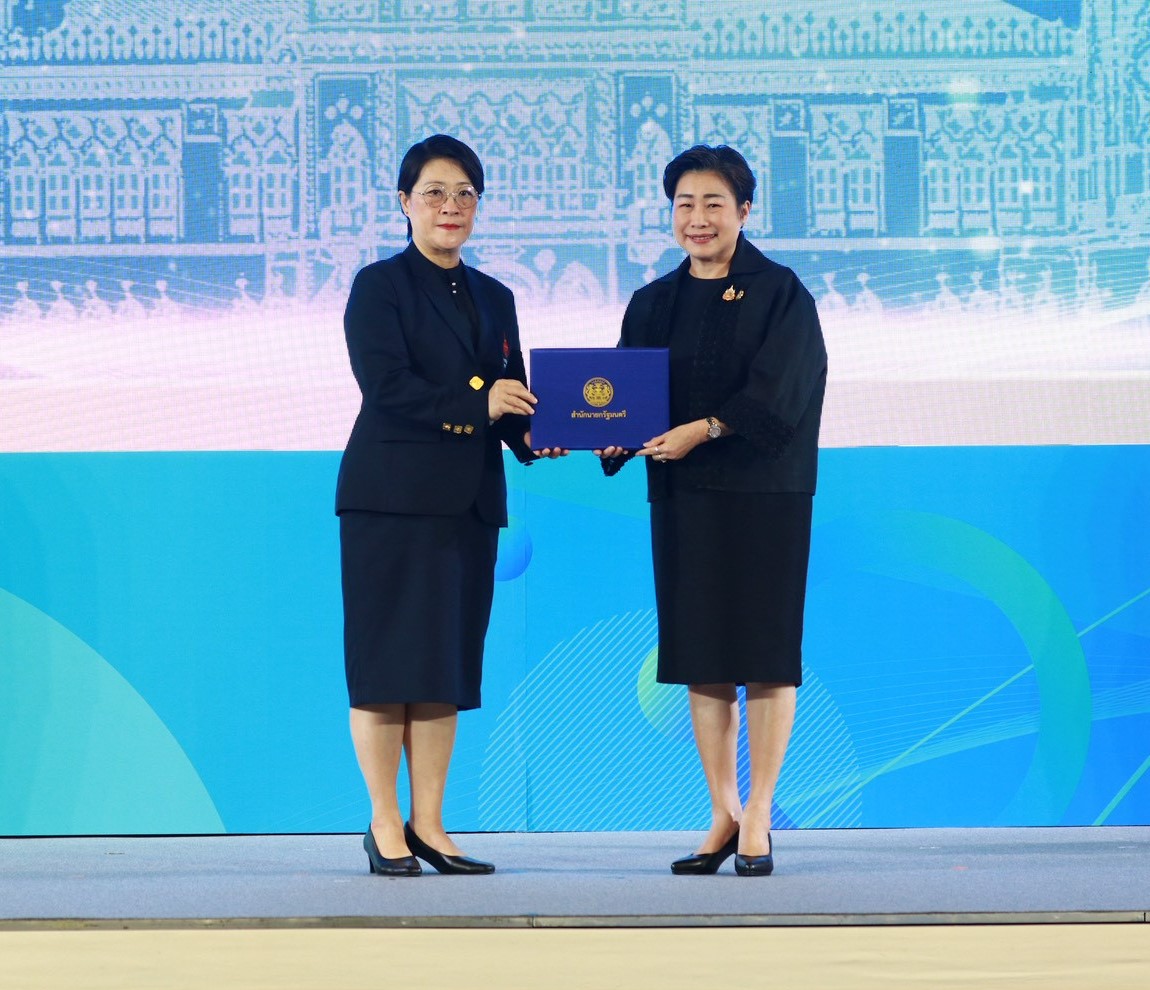
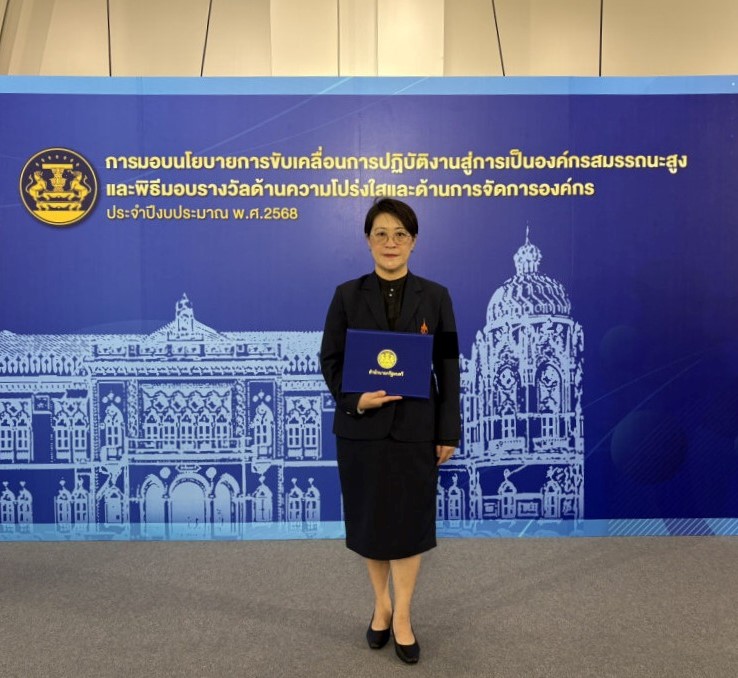
Chulabhorn Royal Academy has been honored with a Certificate of Recognition as a “Moral Organization Model” for Fiscal Year 2025 under the project promoting moral communities, organizations, districts, and provinces, aligned with the National Moral Promotion Action Plan Phase II (2023–2027). The award ceremony for excellence in transparency and organizational management was presided over by Ms. Yupa Thawiwattanakitborwon, Permanent Secretary of the Office of the Prime Minister, on 26 December 2025 at The Berkeley Hotel Pratunam, Bangkok.
On this occasion, Ms. Siripen Atsawanont, Head of the Sustainability Development Division, represented the Academy in receiving the certificate. In FY 2025, seven units of the Academy were assessed and recognized at the “Moral Organization Model” level: the Office of Chulabhorn Royal Academy; Princess Chulabhorn College of Medical Science; Chulabhorn Hospital; the Faculty of Health Science Technology; Princess Srisavangavadhana College of Nursing; Princess Srisavangavadhana College of Medicine; and the Faculty of Science. This achievement reflects the Academy’s continued commitment to promoting morality, ethics, and good governance across organizational management, fostering a transparent and accountable culture, and encouraging staff and students to act with responsibility, integrity, and a strong sense of public interest.
The Academy, an agency under the Office of the Prime Minister, has consistently been recognized as a “Moral Organization Model” since FY 2021. This year’s assessment forms part of the Academy’s public communication of organizational development outcomes, in line with public disclosure principles under the Integrity and Transparency Assessment (ITA) framework, which emphasizes transparent, verifiable reporting of missions, performance, and organizational advancement.
Looking ahead, Chulabhorn Royal Academy remains committed to sustainably advancing its role as a moral organization model—strengthening ethical values among personnel and students while upholding good governance—to support its missions in education, research, medicine, public health, and academic services to society, under the philosophy “Excellence for All Lives.”